2026 Best Home Storage System How to Expand It?

Time:2026-10-24 Author:Henry
0%

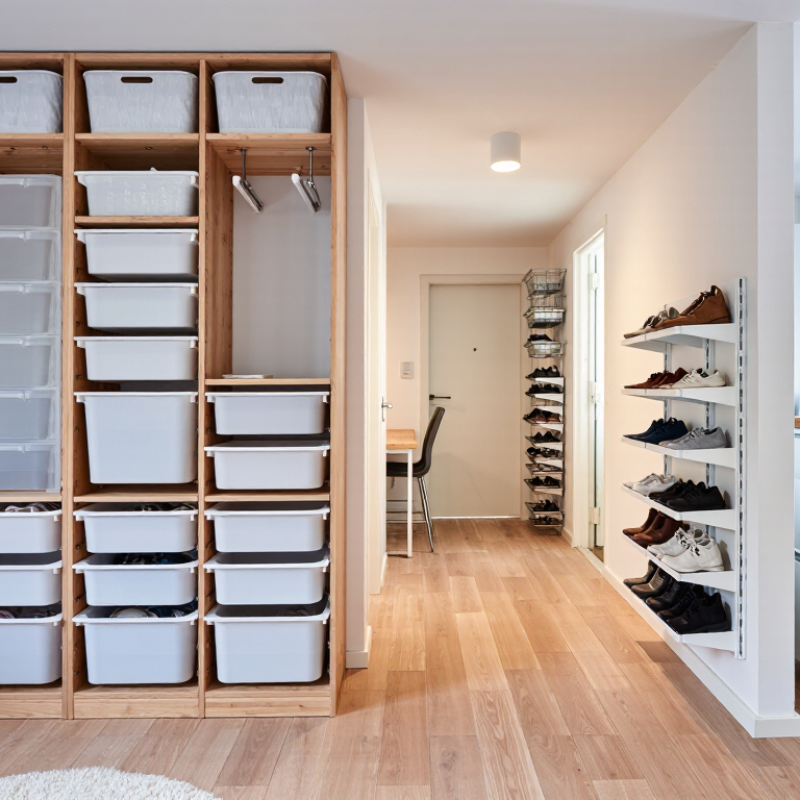
Expanding a home storage system in 2026 is not simply about adding more cabinets. It is about creating space that matches real habits, changing household needs, and daily movement. A kitchen may need deeper drawers, while a hallway may need narrow shelves for shoes, bags, and charging devices. The best system grows without making the room feel crowded.

Julie Morgenstern, a professional organizer and author, offers a useful principle: “Organizing is not about getting rid of everything you own or trying to become a different person.” Her advice supports a practical approach to How to expand a home storage system. Keep frequently used items within easy reach. Move seasonal belongings higher. Add adjustable components instead of fixed solutions whenever possible.

Start with an honest audit.

Open every drawer.

Notice what causes friction.

Measure wall width, ceiling height, doorway clearance, and available floor space before buying anything. Modular shelves, stackable bins, pull-out baskets, and labeled containers can provide flexible expansion. However, more storage does not automatically create better organization. It may only hide excess items.

That part is easy to overlook.

A reliable plan also leaves room for mistakes. A shelf may be too deep. A container may become inconvenient. Reassessment after several weeks is normal, not failure. Consider safety, ventilation, weight limits, and moisture exposure, especially in garages, bathrooms, and utility areas. With careful measurements and gradual upgrades, a home storage system can become more useful, accessible, and resilient without sacrificing comfort or visual calm.
2026 Best Home Storage System How to Expand It?

What Is a Home Storage System and Why Should It Be Expandable?

A home storage system combines batteries, a control unit, wiring, safety devices, and monitoring software. It stores electricity for later use, such as during outages or periods of high demand. An expandable system allows extra battery modules or compatible equipment to be added as household needs change. This differs from a fixed unit, which may require full replacement when capacity becomes insufficient.

In my experience, expansion works best when the original system has spare capacity in its enclosure, cables, and control equipment. Check the manufacturer’s technical limits before adding anything. Battery chemistry, voltage, firmware, temperature, and maximum current must remain compatible. A qualified installer should also confirm ventilation, fire protection, circuit isolation, and local electrical requirements. Small details matter. A narrow wall space can make maintenance difficult later.

My first storage layout was too optimistic. I planned for today’s usage and ignored future appliances. That mistake taught me to measure evening consumption, seasonal changes, and backup priorities before choosing capacity. However, bigger is not always better. Oversized storage can cost more and operate inefficiently if it rarely cycles. A practical design may begin with essential circuits, such as refrigeration, lighting, internet equipment, and medical devices where appropriate. Leave physical and electrical room for growth. Even careful forecasts can be wrong. Expansion should remain simple, documented, and technically verified rather than treated as an afterthought.

How to Assess Your Current Storage Needs and Available Space

Expanding a home storage system starts with evidence, not another cabinet. In my own room-by-room audit, I underestimated seasonal sports gear and overestimated unused shelves. Measure each area before planning additions. Record width, depth, height, door swing, outlets, vents, and walking clearance. A beautiful layout can fail when a door opens halfway.

The National Association of Home Builders’ 2024 What Home Buyers Really Want report found that 86% of buyers rated a laundry room highly desirable. It also reported strong demand for pantry storage, at 85%. These figures suggest that storage planning should follow daily routines, not appearances. List every item used weekly, monthly, and seasonally. Note its quantity, weight, and preferred access height. Keep heavy boxes low. Store frequent items between waist and eye level.

Use the 2023 American Community Survey as a reality check: the average U.S. household contains about 2.6 people. That average hides children, hobbies, pets, and future changes. Leave roughly 10% to 15% of usable capacity unassigned for growth. This is not a perfect rule. It may feel wasteful in a small apartment. Still, overfilling makes shelves difficult to inspect and encourages duplicate purchases. Photograph crowded areas, then test a temporary layout with labeled containers for one week. Daily frustration is useful data.

Which Modular Storage Components Should You Choose?

A modular home storage system should grow with your rooms, not force a complete replacement. Start with vertical uprights, adjustable shelves, and stable connecting rails. These pieces create the structural grid. Measure wall width, ceiling height, and skirting-board depth before ordering. Leave a small service gap for uneven walls and future wiring. This detail is easy to overlook. It matters later.

Choose components according to the objects you actually use. Deep shelves suit folded bedding and storage boxes, while shallow shelves keep books and tools visible. Add pull-out drawers for small items, wire baskets for linens, and dividers for bags or accessories. A hanging rail works well beneath a shelf, but it needs enough clearance for sleeves and doors. In busy entryways, hooks, a bench, and a drip-resistant tray can reduce daily clutter. Keep heavy loads low. Stability improves. Always check load ratings and secure tall sections properly.

Expansion becomes simpler when every module shares compatible widths and fixing points. Reserve one bay for future shelves or a second hanging rail. Casters can help in flexible rooms, though they may reduce overall rigidity. I would not fill every opening at once. Empty space reveals real habits. After several weeks, review what remains unused and move components instead of adding more. Even careful plans can miss awkward corners, sloping floors, or changing family needs. Build for adjustment, not perfection.

How to Expand Your Home Storage System Step by Step

Expanding a home storage system works best as a measured project, not a weekend guessing game. Start by emptying one section and recording its width, depth, and usable height. Mark doors, outlets, skirting boards, and ceiling slopes. These small obstacles often ruin otherwise accurate plans. Sort items by frequency, weight, and size. Keep daily essentials between waist and eye level. Store seasonal goods higher, but only when the structure is rated for them.

Add capacity in stages. A narrow shelf, drawer module, or hanging rail can fill unused vertical space without blocking movement. Leave clearance for doors and hands. Heavy boxes belong on lower levels. Use adjustable parts when measurements may change. Secure tall units to suitable wall points, following installation instructions and local safety requirements. Check every connector before loading it. Published weight limits matter; do not estimate them by appearance. If children use the room, avoid climbable arrangements and unstable freestanding pieces.

My first layout looked efficient, but the deepest shelf became a forgotten zone. I changed it to shallow bins and labeled them by task. That compromise reduced capacity and saved time. After one week, observe what remains untouched. Move those items or remove them responsibly. Wipe shelves, inspect sagging panels, and retighten hardware during each expansion. A system should grow with real habits, not an idealized room. Leave a little empty space. It makes the next change easier.

2026 Best Home Storage System How to Expand It? - How to Expand Your Home Storage System Step by Step

Step Expansion Stage Recommended Data to Record Suitable Storage Addition Typical Capacity Impact Required Tools Estimated Time Key Check Before Completion
1 Audit the Existing System Available wall length, ceiling height, cabinet depth, unused corners, and frequently accessed items. Inventory labels, measuring notes, and a categorized storage plan. Identifies unused areas before new storage is purchased. Tape measure, notebook, camera, and labeling materials. 1–2 hours Remove unstable, damaged, or overloaded components before expansion.
2 Confirm the Load Requirements Approximate weight of stored items and the number of shelves, drawers, or bins required. Heavy-duty shelves for tools and appliances; lighter shelves for clothing and linens. Prevents wasted space caused by using oversized or unsuitable components. Scale, worksheet, and existing product specifications. 30–60 minutes Never exceed the stated load rating of a shelf, bracket, rail, or cabinet.
3 Use Vertical Wall Space Clear wall height above existing furniture and distance from doors, windows, and switches. Wall-mounted shelves, cabinets, pegboards, or adjustable rails. Often adds one or more storage levels without increasing floor area. Stud finder, level, drill, screwdriver, and anchors. 1–3 hours Fasten heavy storage to structural studs or use anchors rated for the wall type.
4 Expand with Matching Modules Existing unit width, height, depth, shelf spacing, and connection points. An additional cabinet, shelf bay, drawer unit, or stackable storage module with compatible dimensions. Adds a predictable storage block while maintaining a consistent layout. Tape measure, level, screwdriver, and connector hardware. 1–2 hours Connect adjacent units and prevent tall assemblies from tipping.
5 Improve Corner Storage Corner width, door clearance, turning radius, and reachable shelf depth. Corner shelves, rotating trays, narrow pull-out units, or triangular shelving. Converts difficult-to-reach corner space into usable storage. Tape measure, level, drill, and installation hardware. 1–3 hours Keep shelves shallow enough for safe access and avoid blocking doors or walkways.
6 Add Under-Bed and Low-Level Storage Floor-to-bed clearance, container height, container width, and pull-out distance. Lidded boxes, rolling drawers, vacuum storage bags, or shallow bins. Adds concealed storage while preserving wall and floor space. Tape measure, labels, and a cleaning cloth. 30–90 minutes Keep emergency exits clear and avoid storing damp or heat-sensitive items in unsuitable areas.
7 Optimize Shelves and Drawers Shelf height, item height, drawer width, and unused vertical gaps. Shelf risers, drawer dividers, pull-out baskets, and adjustable inserts. Improves usable volume by separating small items and reducing empty space. Tape measure, dividers, labels, and scissors. 1–2 hours Keep heavy objects low and ensure drawers remain stable when fully extended.
8 Use Doors and Narrow Gaps Door thickness, hinge clearance, gap width, and maximum safe hanging depth. Over-door organizers, slim rolling carts, hooks, or narrow vertical racks. Uses secondary surfaces that are often left empty. Tape measure, screwdriver, and protective pads. 30–90 minutes Check that the door closes fully and that added weight does not strain the hinges.
9 Create Zones and Labels Item category, frequency of use, household member, and storage location. Clear bins, labeled containers, category dividers, and an item map. Reduces duplicate purchases and keeps the expanded system usable. Labels, marker, printer, and inventory list. 1–2 hours Place frequently used items between waist and shoulder height where practical.
10 Secure and Test the Expanded System Level, wall clearance, fastener tightness, shelf deflection, and walkway clearance. Anti-tip straps, wall brackets, end caps, cable management, and protective pads. Maintains safe, stable, and accessible storage over time. Level, screwdriver, drill, and appropriate fasteners. 30–60 minutes Test gradually with light items first, then distribute heavier items evenly.
11 Set a Maintenance Schedule Inspection date, damaged parts, unused items, and changes in household needs. Quarterly review checklist and donation or recycling collection area. Preserves available space by removing items that are no longer needed. Checklist, cleaning supplies, and replacement labels. 15–30 minutes quarterly Inspect wall fixings, joints, wheels, hinges, and shelves for wear or loosening.

Planning note: Measurements, load limits, wall conditions, and installation requirements vary by product and building construction. Confirm the instructions supplied with each storage component before installation.

How to Organize, Maintain, and Upgrade the System Over Time

2026 Best Home Storage System: How to Expand It?

How to Organize, Maintain, and Upgrade the System Over Time

A durable storage system should grow with your household, not consume every spare wall. The National Association of Home Builders reported an average new-home size of 2,411 square feet in 2023. More space still becomes crowded without clear zones. Assign each area a purpose, such as daily items, seasonal gear, tools, and archived documents. Use labeled containers with visible contents. Keep frequently used objects between waist and eye level. Store heavy bins low, especially in closets and utility rooms.

Maintenance needs a calendar. Every three months, remove damaged, duplicated, or untouched items. The U.S. Environmental Protection Agency reported 4.9 pounds of municipal waste per person daily in its latest national materials assessment. Better storage should not become a hidden landfill. Measure shelves before buying inserts. Leave about 15 percent empty capacity for future needs. That gap matters.

Upgrade slowly. Add adjustable shelves, pull-out drawers, or vertical dividers when usage patterns become obvious. A simple inventory can reveal repeated purchases and forgotten supplies. My own weak point is over-labeling; too many categories make retrieval slower. Test one zone for two weeks before changing the entire system. Photograph complicated shelves after organizing them. This helps other household members return items correctly. Review the layout after moving, welcoming a child, or changing work routines. Storage is never finished.

2026 Best Home Storage System: How to Expand It

A practical planning baseline for organizing, maintaining, and upgrading a flexible home storage system over time. The allocation keeps dedicated space for frequently used items while reserving capacity for future expansion.

Recommended approach: use the largest zones for clothing and household supplies, review seasonal items every three months, and keep approximately 20% of total capacity available for new storage modules or changing household needs.

FAQS

What is an expandable home storage system?

It stores electricity or household items in modules that can grow with changing needs. A fixed system may require full replacement later. Plan for change.

Why should a storage system be expandable?

Household electricity use, appliances, hobbies, and family routines often change over time. Expansion can add battery modules, shelves, drawers, or hanging rails. Future needs are easy to misjudge.

What should I check before expanding an energy storage system?

Confirm battery chemistry, voltage, firmware, temperature limits, and maximum current. Check cables, enclosure space, ventilation, fire protection, and circuit isolation. A qualified installer should verify local electrical requirements.

How can I estimate my household electricity needs?

Measure evening consumption, seasonal changes, and essential backup circuits. Consider refrigeration, lighting, internet equipment, and suitable medical devices. Do not size only for today.

Is a larger battery system always better?

No. Oversized storage may cost more and operate inefficiently when rarely used. A smaller system with planned expansion can be more practical. Bigger is not automatically wiser.

How do I assess available storage space at home?

Measure width, depth, height, door swing, outlets, vents, and walking clearance. Check whether doors open fully and maintenance remains possible. Take photos of crowded areas.

Which modular components are useful for household storage?

Adjustable shelves, vertical uprights, connecting rails, drawers, baskets, dividers, and hooks offer flexibility. Deep shelves suit bedding and boxes. Shallow shelves keep books and tools visible.

How much unused capacity should I leave?

Leaving about 10% to 15% of usable capacity allows room for growth. This is only a guideline, especially in small homes. Empty space can reveal real habits.

How can I test a storage layout before buying more parts?

Use labeled containers and a temporary arrangement for one week. Track daily frustration, unused items, awkward corners, and access problems. One week teaches a lot.

How can I make future expansion easier?

Choose compatible widths and fixing points, then reserve space for additional shelves or equipment. Document the layout and keep heavy loads low. Perfect plans still miss things.

Conclusion

A home storage system is a flexible combination of shelves, cabinets, drawers, containers, and other organizing elements designed to keep household items accessible and orderly. Its greatest value comes from expandability, allowing it to adapt as your family, belongings, and lifestyle change. Before adding anything, assess your current storage needs, identify frequently used items, measure available wall and floor space, and consider future requirements.

How to expand a home storage system begins with choosing modular components that can be combined, repositioned, or upgraded easily. Add storage step by step, starting with the areas that create the most clutter, then adjust layouts as needed. Group similar items, label containers clearly, and leave some room for future additions. Regular maintenance, seasonal decluttering, and periodic upgrades will help the system remain practical, efficient, and attractive over time. A well-planned expandable system can make better use of limited space while supporting changing household needs.

Henry

Henry

Henry is a dedicated marketing professional with a profound expertise in the company's offerings. With years of experience in the industry, he possesses an impressive understanding of the market dynamics and consumer behaviors that drive success. Henry is committed to sharing his insights through......