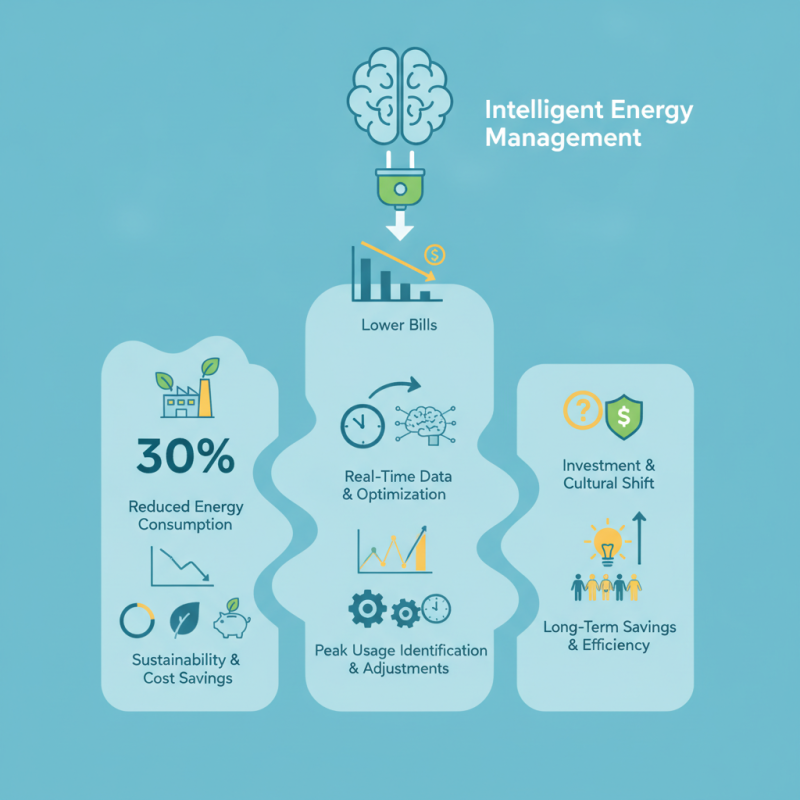
Intelligent energy management is transforming how businesses manage their energy use. According to a report by the International Energy Agency, companies that implement advanced energy management systems can reduce their energy consumption by up to 30%. This not only lowers operating costs but also enhances sustainability practices.
Experts underline the importance of these systems. Dr. Emily Carter, an energy analyst, states, "How intelligent energy management reduces electricity bills will drastically shift market dynamics." Implementing smart solutions can optimize energy usage, as real-time data analysis allows for timely adjustments.
These systems reveal energy usage patterns and inefficiencies. For instance, businesses can identify peak usage times and adjust their operations accordingly. However, some companies may struggle to realize these benefits fully. The transition demands investment and a cultural shift towards energy consciousness. Addressing these challenges is crucial for long-term savings and operational efficiency.
Intelligent Energy Management Systems (IEMS) play a crucial role in driving efficiency. These systems combine software and hardware to monitor energy consumption in real-time. They analyze data to identify trends and provide actionable insights. A report from the International Energy Agency indicates that IEMS can reduce energy costs by up to 30%. This is a substantial saving for businesses striving to lower operational expenditures.
Understanding the mechanisms of IEMS is vital for effective implementation. These systems use sensors and algorithms to optimize energy usage. They can adjust lighting and heating based on occupancy, which significantly cuts down unnecessary expenses. The U.S. Department of Energy found that businesses implementing IEMS have seen energy savings averaging 10-25%. However, embracing this technology requires a cultural shift. Staff must be engaged and trained to utilize these systems to their full potential.
In practice, not every company reaps the full benefits. Data management can be overwhelming for some organizations. Inadequate training and lack of commitment may hinder success. The energy sector may face obstacles in standardizing technologies across different environments. Each organization needs a tailored approach. This challenging adaptability reflects the complex nature of energy consumption patterns. The potential for savings exists, but realizing them requires continuous effort and reflection.
| Benefit | Description | Estimated Savings (%) |
|---|---|---|
| Enhanced Monitoring | Real-time tracking of energy usage improves efficiency. | 10% |
| Predictive Maintenance | Identifies issues before they become costly problems. | 15% |
| Automated Controls | Optimizes energy usage through automatic adjustments. | 20% |
| Demand Response Programs | Reduces peak demand charges by adjusting consumption. | 18% |
| Energy Efficiency Audits | Identifies areas for improvement in energy usage. | 12% |
| Sustainability Reporting | Enhances reporting capabilities on energy consumption. | 5% |
| User Engagement Tools | Empowers users to monitor and manage their usage effectively. | 8% |
| Integration with Smart Devices | Connects with IoT devices for better control over energy use. | 15% |
| Cost Predictability | Enables better budgeting through consistent energy costs. | 10% |
| Regulatory Compliance | Helps meet energy regulations and avoid penalties. | 7% |
: Data analytics helps identify inefficiencies by analyzing consumption patterns. This leads to targeted interventions and lower energy bills.
Regularly monitor energy usage through management software. Setting alerts for unusual consumption spikes can help identify issues.
Yes, predictive analytics can forecast energy needs and prevent wastage. This approach allows for better energy planning.
Automated systems can reduce energy bills by optimizing usage based on occupancy. Companies can achieve up to 30% savings.
Integration with existing systems can be difficult. A lack of skilled personnel may hinder effective implementation of new technologies.
Smart technology allows real-time energy monitoring and predictive maintenance. This minimizes downtime and increases the lifespan of equipment.
Relying solely on data can lead to misguided strategies. Human expertise provides context to data insights for balanced decision-making.
Initial capital investment is required. However, long-term efficiency gains and savings justify these costs, but assessment of needs is essential.
Involving staff in energy practices encourages innovative solutions. Their feedback can provide valuable insights into energy usage patterns.
Up to 60% of energy in commercial buildings is wasted. Identifying and correcting these inefficiencies can lead to significant cost savings.
Intelligent energy management systems leverage advanced data analytics to enhance energy efficiency, significantly contributing to cost reduction for businesses and households alike. By automating energy regulation, these systems optimize electricity consumption, ensuring that resources are allocated effectively. This proactive approach not only leads to lower electricity bills but also promotes sustainability through reduced energy waste and a smaller carbon footprint.
Furthermore, the integration of intelligent energy management solutions improves operational efficiency, allowing organizations to allocate resources more strategically. As a result, users experience not only financial savings but also a greater commitment to environmental stewardship. Ultimately, understanding how intelligent energy management reduces electricity bills can empower consumers and businesses to make informed decisions for both economic and ecological benefits.

 EnerNova Charger