10 Best Tips to Maintain Modular Battery Units?

Time:2026-05-22 Author:Sophia
0%

Maintaining modular battery units is crucial for optimal performance and longevity. As industry expert Dr. Emily Torres states, "A proactive maintenance strategy can significantly enhance battery life." Her insights emphasize the importance of understanding how to maintain modular battery units effectively.

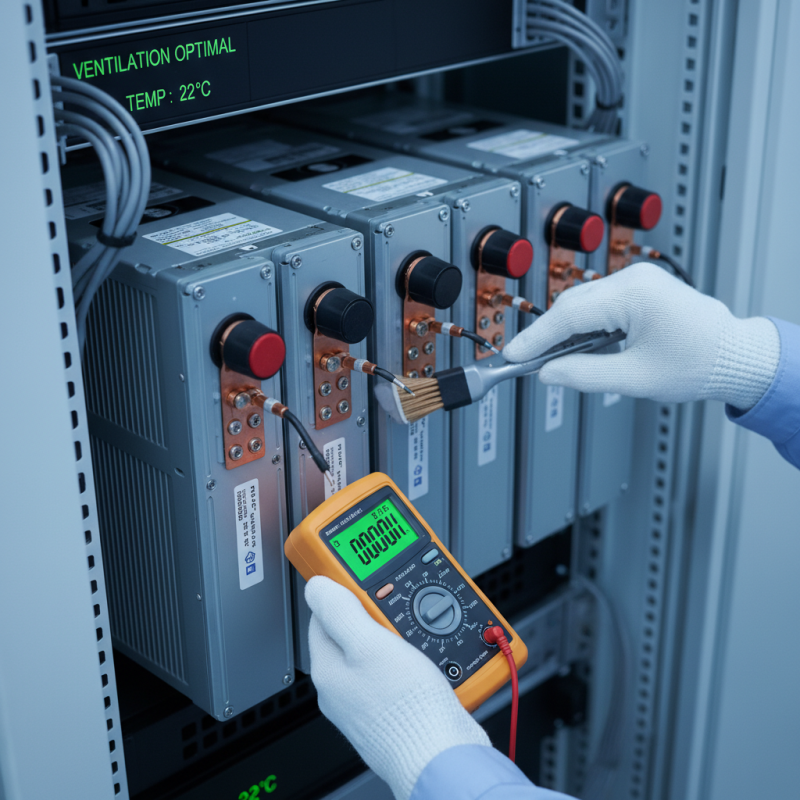
Regular inspections and environmental considerations play a key role. Ensuring proper ventilation can prevent overheating, a common issue that leads to reduced efficiency. Another vital aspect is keeping the terminals clean. Dirt and corrosion can disrupt connections, causing power loss. These minor details often get overlooked but can have significant impacts.

Some users might find it challenging to implement a strict maintenance routine. This can lead to performance drops over time. However, reflecting on practices and adjusting them according to specific needs may provide better results. Simple strategies, like checking battery charge levels frequently, can make a difference. Observing how to maintain modular battery units effectively is an ongoing process that requires awareness and diligence.
10 Best Tips to Maintain Modular Battery Units?

Best Practices for Regular Maintenance of Modular Battery Units

Maintaining modular battery units is crucial for optimizing performance and extending lifespan. Regular inspections can catch issues early, preventing costly replacements. According to industry reports, a well-maintained battery can last up to 30% longer.

One effective strategy is to monitor the battery's temperature. Batteries operate best within specific temperature ranges. Excessive heat can reduce efficiency and lifespan. Regularly clean the terminals to prevent corrosion. This small step can significantly enhance connectivity and performance.

Additionally, scheduling routine load tests can identify potential failures before they occur. In fact, these tests can reveal discrepancies in performance that often go unnoticed. Keeping detailed records of maintenance can also help in future assessments. Such documentation encourages accountability. Remember, neglecting maintenance can lead to inefficiencies and increased operational costs. Regular care ensures that modular battery units perform reliably over time.

Understanding the Importance of Temperature Control in Battery Longevity

Temperature control plays a crucial role in extending the lifespan of modular battery units. Studies show that batteries operate best within a temperature range of 20-25°C. Exposing them to temperatures above 30°C can significantly reduce their performance. In fact, every 10°C increase in temperature can double the rate of degradation. This highlights the urgency of effective thermal management strategies.

Implementing cooling systems can maintain optimal temperatures. However, many users overlook this aspect. Passive cooling methods, like ventilation, can be effective but may not suffice in extreme conditions. Active cooling systems, while more complex, ensure that batteries stay within the safe temperature range. Some reports indicate that improper temperature control can decrease a battery's capacity by up to 40% over time.

Monitoring and maintaining the environment is equally important. Humidity can also affect battery life, adding to the complexity of temperature control. Data reveals that high humidity can lead to corrosion, posing risks to performance and safety. Users must regularly check environmental conditions to mitigate these risks effectively. Fluctuations in temperature and humidity can create a stressful environment for battery units, demanding more attention.

Monitoring Charge Cycles to Extend Battery Life and Performance

Monitoring charge cycles is crucial for extending the life of modular battery units. Irregular charging leads to reduced performance. Maintaining a consistent charging schedule helps to balance the cycles evenly. This prevents excessive wear on the battery cells.

One tip is to avoid letting the battery drop below 20% charge frequently. Deep discharges can lead to cell damage over time. Aim to recharge when the battery reaches around 30%. This method can lengthen its overall lifespan. Utilizing smart chargers that provide cycle tracking can also enhance performance.

Another effective tip is to monitor temperature during charging. Extreme heat can damage battery cells. Ensure good ventilation while charging to keep temperatures in check. For outdoor use, consider the environmental impact on your battery's performance. Regularly assessing these factors leads to better maintenance and can prevent costly replacements in the long run.

Implementing Effective Storage Solutions for Modular Battery Units

Implementing effective storage solutions for modular battery units is crucial in today’s energy landscape. Recent industry reports suggest that improper storage can reduce battery lifespan by 30%. To prevent this, temperature control is essential. Ideal storage conditions should maintain temperatures between 20°C to 25°C. Extreme temperatures can lead to performance degradation or safety risks.

Additionally, regular inspections help in identifying potential issues early. Research indicates that 40% of battery failures result from poor maintenance practices. Simple procedures, such as checking for corrosion or loose connections, can significantly enhance performance. Proper labeling and organization of battery units also prevent mix-ups, ensuring that the correct battery is used at the right time.

Space management is another key aspect. Overcrowded storage can obstruct airflow and lead to overheating. A well-structured layout maximizes space while ensuring efficient access to each unit. A study found that facilities with organized storage systems experience 25% fewer operational interruptions. Attention to these details reveals areas for improvement. Each action taken contributes to greater reliability and efficiency in energy systems.

Best Cleaning Techniques to Ensure Optimal Functionality of Batteries

Keeping modular battery units clean is essential for optimal performance. Regular maintenance prolongs their lifespan. Dust and dirt can accumulate, impacting efficiency. Use a soft, dry cloth to wipe down the exterior. Avoid using water or harsh chemicals. These can seep into the battery and cause damage.

Cleaning terminals is crucial. Corrosion can affect connectivity. Use a mixture of baking soda and water to remove corrosion. Apply it with a toothbrush. Then, rinse with a damp cloth. Ensure everything dries completely before reconnecting. This process, while simple, can be overlooked. Consistent attention to cleaning can enhance battery performance significantly.

Checking connections is equally important. Loose connections can lead to power losses. Inspect for any frayed wires or connection points. Tighten any loose screws gently. Monitoring these small details ensures a seamless energy flow. While maintenance may seem daunting, it is manageable. Regular cleaning habits can make a substantial difference in functionality.

FAQS

: Why is monitoring charge cycles important for battery life?

: Monitoring charge cycles helps balance battery use. Irregular charging can reduce performance over time.

What should I do if my battery drops below 20%?

Avoid frequent deep discharges. Recharge when the battery reaches around 30% for longer lifespan.

How does temperature affect battery performance?

Extreme heat can damage battery cells. Good ventilation is crucial while charging to maintain optimal temperatures.

What is the ideal temperature for storing batteries?

Store batteries at temperatures between 20°C to 25°C. Extreme conditions can lead to decreased performance.

How can regular inspections improve battery reliability?

Regular checks can identify issues early. Many battery failures stem from poor maintenance, so stay vigilant.

What are effective cleaning techniques for batteries?

Use a soft, dry cloth for exterior cleaning. Avoid harsh chemicals that can cause damage.

How do I clean corrosion off battery terminals?

Use a baking soda and water mixture with a toothbrush. Rinse with a damp cloth and dry fully.

Why is space management important in battery storage?

Overcrowded storage can obstruct airflow. A well-structured layout prevents overheating and ensures accessibility.

What should I check for during battery maintenance?

Inspect connections for looseness or corrosion. Tighten any loose screws gently to ensure proper energy flow.

How often should I clean battery units?

Regular cleaning habits are essential. Even small improvements in maintenance can greatly enhance functionality.

Conclusion

To effectively understand how to maintain modular battery units, it is essential to follow best practices that ensure their longevity and performance. Regular maintenance includes routine checks for any signs of wear, as well as adhering to a strict temperature control regimen, which safeguards battery efficiency. Monitoring charge cycles is crucial, as it helps to identify optimal usage patterns and extend the overall lifespan of the batteries.

In addition to these practices, effective storage solutions play a vital role in protecting modular battery units when not in use. Ensuring that they are stored in a suitable environment can prevent damages caused by extreme temperatures or humidity. Finally, implementing the best cleaning techniques will help maintain optimal functionality, reducing the risk of performance issues over time. By following these guidelines, users can significantly enhance the reliability and durability of their modular battery systems.

Sophia

Sophia

Sophia is a dedicated marketing professional with an exceptional depth of knowledge about her company's products and services. With a keen understanding of market trends and customer needs, she crafts insightful blog posts that not only inform but also engage readers, enriching the company’s online......