How Does China Best Smart Energy Cut Electricity Bills?

Time:2026-10-17 Author:Amelia
0%

China’s electricity demand is rising with data centers, factories, electric vehicles, and urban cooling. The International Energy Agency’s Electricity 2024 report expects China to generate about 60% of global electricity demand growth through 2026. That pressure makes cost control more urgent for businesses and households. It also raises a practical question: How Does China Best Smart Energy Cut Electricity Bills?

How intelligent energy management reduces electricity bills begins with visibility. Smart meters record consumption in short intervals, revealing expensive peaks that ordinary monthly bills hide. A factory can identify a compressor running during high-tariff hours. A shopping center can detect air-conditioning waste after closing. The system then combines sub-metering, weather data, occupancy information, and time-of-use tariffs. Automated controls can shift battery charging, cooling, pumping, or production to cheaper periods. Small changes matter.

The U.S. Department of Energy reports that energy management systems can support continuous efficiency improvements through measurement, planning, and operational control. ISO 50001 also promotes a documented, data-driven energy management process. China’s national energy-efficiency policies increasingly support digital monitoring and demand-side management. Still, software is not magic. Poor sensors create poor decisions. Staff may override automated controls. Some equipment cannot shift its operating time without affecting production. These limits deserve honest attention. A reliable solution should therefore begin with a measured baseline, verified savings, and transparent billing data. The best Chinese smart-energy strategy is not the most complicated one. It is the system that reduces peak demand without disrupting daily work.
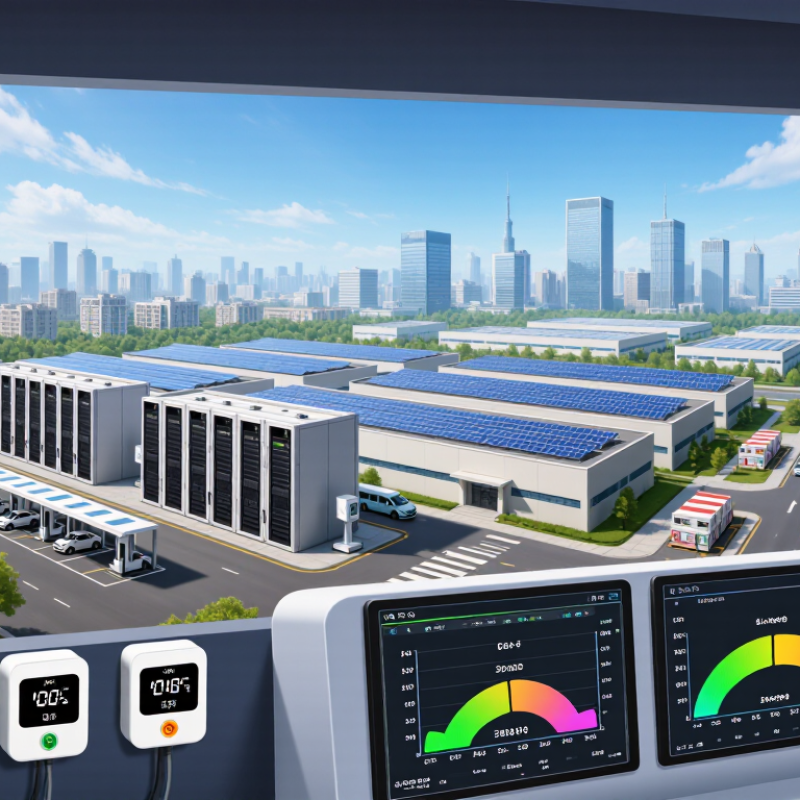
How Does China Best Smart Energy Cut Electricity Bills?

What Is China’s Smart Energy System?

How Does China Best Smart Energy Cut Electricity Bills?
What Is China’s Smart Energy System?

China’s smart energy system links electricity generation, buildings, factories, storage, and grid controls. Smart meters record consumption in short intervals. Sensors then show where energy disappears, often during hot afternoons or production peaks. Digital energy management systems can shift flexible loads to cheaper time-of-use periods. The International Energy Agency’s Electricity 2024 report says China drove around 60% of global electricity demand growth in 2023. Better coordination therefore matters at household and industrial scale.

The system also combines solar power, batteries, electric vehicles, and demand response. A factory might cool equipment before peak pricing begins. A home battery may store midday solar electricity and discharge after sunset. China’s National Energy Administration reported rapid growth in distributed solar capacity, increasing the need for local balancing. The International Renewable Energy Agency has also identified digitalisation and storage as key tools for integrating variable renewables. Still, the model is not flawless. Poor data, weak cybersecurity, or inaccurate forecasts can create new costs. Smart does not always mean efficient.

Tips: Check your tariff first. Compare peak and off-peak prices monthly. Set equipment to run during lower-cost hours. Inspect unusual nighttime consumption. Keep manual controls available. Technology can misread real life. A family’s schedule changes, and software may need human judgment. Use verified meter data before buying storage or automation equipment.

How Does Smart Energy Reduce Electricity Consumption?

In China, smart energy can reduce electricity consumption by making invisible waste visible. Smart meters record usage in short intervals, while sensors monitor temperature, occupancy, and equipment loads. Software then compares demand with time-of-use electricity prices. It can cool an empty office less aggressively and shift water heating away from evening peaks. The International Energy Agency’s Digitalisation and Energy report estimates that smart-meter feedback may reduce household electricity use by 2% to 4%.

The result is measurable. In factories, energy-management systems can identify compressed-air leaks, idle motors, and abnormal night loads. Automated controls may switch equipment off, but they should not operate blindly. A production line still needs stable temperature and pressure. The IEA’s Energy Efficiency 2023 report recorded global energy-intensity improvement of about 2.2% in 2022, yet it says annual progress must approach 4% by 2030. Smart control supports this target, but it cannot replace maintenance or careful operating decisions.

China’s strongest savings usually come from combining digital monitoring with human review. A building manager can receive an alert at 2 a.m., check a stuck valve, and prevent hours of unnecessary consumption. Human behavior still matters. Poor data, weak cybersecurity, or incorrectly configured schedules can create new waste. That weak point matters. The American Council for an Energy-Efficient Economy has also noted that connected controls deliver better results when users receive clear feedback and practical guidance. Smart energy is helpful, not magical.

How Does China Best Smart Energy Cut Electricity Bills? - How Does Smart Energy Reduce Electricity Consumption?

Practical electricity-saving measures for a typical Chinese household or small facility

Smart Energy Measure How It Reduces Consumption Typical Electricity Reduction Illustrative Monthly Saving* Best Application Main Conditions for Results
Real-Time Smart Meter Monitoring Tracks hourly electricity use and identifies standby loads, unusual peaks, and high-consumption equipment. 3%–8% 15–40 kWh
RMB 8–22
Homes, shops, offices, and small workshops Users review alerts regularly and take corrective action.
Automated Lighting Controls Uses occupancy sensors, daylight detection, and schedules to switch lights off when areas are empty or sufficiently bright. 10%–25% of lighting electricity 5–20 kWh
RMB 3–11
Offices, corridors, classrooms, warehouses, and retail areas Lighting must be operated for several hours daily and controls must be correctly positioned.
Smart Air-Conditioning Control Maintains temperature schedules, limits unnecessary operation, and adjusts cooling or heating according to occupancy. 8%–20% of air-conditioning electricity 20–70 kWh
RMB 11–39
Homes, offices, hotels, and classrooms Cooling or heating represents a significant share of the electricity bill; doors and windows remain reasonably sealed.
Peak-Load Scheduling Moves flexible activities such as water heating, battery charging, pumping, or equipment operation to lower-tariff periods where time-of-use pricing applies. 5%–15% of controllable load 10–50 kWh
RMB 3–25 in energy-cost reduction
Commercial users and households with time-of-use electricity tariffs Lower-priced periods must be available, and the load must be flexible without affecting operations.
Smart Standby-Power Management Disconnects selected appliances and equipment when they are inactive, reducing avoidable standby consumption. 2%–5% of total electricity use 10–25 kWh
RMB 6–14
Homes, offices, computer rooms, and small commercial premises There must be multiple devices with long idle periods; essential equipment should remain powered.
High-Efficiency Equipment Scheduling Prioritizes efficient equipment, avoids simultaneous operation of unnecessary loads, and detects abnormal energy performance. 5%–12% of managed equipment use 15–60 kWh
RMB 8–34
Refrigeration, pumps, fans, motors, and office equipment Equipment condition, operating hours, and maintenance quality strongly affect the result.
Solar and Battery Energy Coordination Uses locally generated solar electricity and stores or releases energy to reduce grid electricity purchases during high-demand periods. 10%–30% of grid electricity purchased 50–150 kWh
RMB 28–84
Buildings with suitable roof space and regular daytime electricity demand Actual savings depend on solar resource, system size, battery efficiency, tariffs, and installation cost.
Energy Dashboard and Automated Alerts Combines meter data, equipment data, and threshold alerts to reveal energy waste and support continuous improvement. 5%–15% of monitored consumption 25–75 kWh
RMB 14–42
Multi-room buildings, factories, campuses, and property portfolios Data should be accurate, and staff should be assigned to investigate abnormal consumption.

*Illustrative monthly saving assumes a baseline electricity use of 500 kWh, an electricity price of RMB 0.56 per kWh, and no overlap between measures. Actual results vary by climate, building size, equipment efficiency, operating hours, electricity tariff, and user behavior. Savings from individual measures should not be added directly because some measures may affect the same electricity load.

Data basis: ranges are practical benchmark estimates aligned with commonly reported savings from occupancy-based controls, energy monitoring, HVAC scheduling, lighting controls, standby-load reduction, and demand-management programs. They are intended for comparison and planning rather than as a guaranteed performance result.

Which Technologies Help Lower Electricity Bills?

Smart energy can lower electricity bills in China when technology matches daily demand. Smart meters record usage in short intervals, revealing costly peaks that ordinary meters hide. An energy management system can then shift flexible loads, such as water heating, laundry, and electric vehicle charging. Time-of-use pricing makes this strategy more valuable. Run equipment during cheaper periods when local tariffs allow it.

Rooftop solar can reduce daytime purchases, especially in homes, offices, and factories with steady daytime activity. Battery storage adds flexibility by saving solar power for evening demand. However, storage is not automatically economical. Its price, lifespan, maintenance, and charging losses must be measured carefully. Efficient heat pumps, variable-speed air conditioners, and occupancy sensors can reduce waste without reducing comfort. A cooler office is not always a cheaper office.

Tips: Check bills weekly. Compare peak and off-peak use. Seal leaking doors. Clean air filters. Set practical temperature limits. Test one upgrade before expanding it. Local tariff rules and building conditions differ, so savings estimates need real meter data. A small apartment may benefit more from smart controls than solar panels. An industrial site may need load forecasting instead. The best system is not the most advanced one; it is the one that responds reliably to actual habits. Even good forecasts can fail during unusually hot weather. Keep reviewing them.

How Are Smart Energy Solutions Used in Homes and Businesses?

Smart energy solutions help Chinese homes and businesses control electricity costs through real-time data. Smart meters record consumption in short intervals. Home energy systems then identify high-use appliances, such as water heaters, air conditioners, and kitchen equipment. Users can schedule these devices during lower-tariff periods where local pricing allows it. This reduces waste without requiring major lifestyle changes.

In businesses, intelligent controls connect lighting, cooling, ventilation, and storage equipment. Sensors can dim lights in empty rooms and adjust cooling near entrances. Energy managers can compare daily load curves with production schedules. A factory may discover that several machines start together, creating an expensive demand spike. Separating their startup times can improve efficiency. However, automation is not perfect. Poor sensor placement may trigger unnecessary adjustments. Regular checks still matter.

Tips: Set clear energy targets before installing equipment. Measure electricity use for at least two weeks. Check bills against system reports each month. Clean sensors and update control settings regularly. Use trained technicians for electrical work. Protect account access and limit unnecessary data sharing. A small apartment may need only smart plugs and scheduling. A large office may require professional monitoring. Choosing the most advanced system is not always the smartest choice. Balancing installation cost, comfort, maintenance, and actual savings produces more reliable results.

What Factors Affect the Savings from Smart Energy?

Smart energy savings in China depend less on a device’s label than on daily electricity patterns. A household using air conditioning from 6 p.m. to midnight faces a different bill than one shifting cooling to cheaper hours. Local tariffs, seasonal pricing, apartment size, insulation, and occupancy all matter. In some cities, time-of-use rates reward daytime or overnight consumption, but schedules vary. Check the latest tariff published by the local utility before calculating savings.

A reliable estimate starts with twelve months of meter bills, not a promotional percentage. Compare the baseline with actual consumption after installation. Smart controls can reduce waste by limiting standby loads, adjusting temperature, and coordinating water heating. Yet savings fall when residents override schedules or leave windows open. Weather also changes results; a mild winter can make a system look more effective than it is. Measure kilowatt-hours, peak demand, and total cost separately.

Installation quality is another factor. Poor sensor placement may trigger unnecessary heating or cooling. Network interruptions can also weaken automated routines. A qualified technician should verify wiring, settings, and safety protections under applicable rules. My first estimate was too optimistic because I ignored cooking loads and weekend occupancy. That mistake matters. Real savings should be reviewed monthly, with unusual weather and household changes recorded. A simple spreadsheet often reveals whether the lower bill came from smart control or from using less electricity overall.

FAQS

What is China’s smart energy system?

It connects power generation, buildings, factories, batteries, vehicles, and grid controls. Smart meters record electricity use at short intervals. The system then identifies costly periods and possible waste.

How can smart energy reduce electricity bills?

Users can move flexible activities to cheaper time-of-use periods. For example, a water heater may run after midnight. Savings depend on local tariffs and actual usage.

How do smart systems help households?

They identify heavy users, including air conditioners, water heaters, and kitchen equipment. Residents can schedule these appliances during lower-cost hours. Small homes may need only smart plugs and timers.

How do businesses use smart energy controls?

Businesses connect lighting, cooling, ventilation, and storage equipment. Sensors can dim lights in empty rooms. Factories can separate machine startups to avoid sudden demand spikes.

Can batteries improve energy management?

A home battery can store midday solar electricity and release it after sunset. This may reduce evening grid purchases. Storage can also create new costs if forecasts or prices are wrong.

Why are smart meters and sensors important?

They reveal unusual consumption, such as power use continuing through the night. Managers can compare load curves with production schedules. Data matters.

Is automation always reliable?

No. Poor sensor placement can trigger unnecessary adjustments. Software may misunderstand changing family routines or production needs. Human judgment still matters.

What should users check before installing smart energy equipment?

Check local tariffs and record electricity use for at least two weeks. Compare monthly bills with system reports. Do not buy storage before confirming realistic savings.

How can users maintain a smart energy system?

Clean sensors, update control settings, and review unusual readings regularly. Protect account access and limit unnecessary data sharing. Keep manual controls available. Mistakes happen.

What are the main limitations of smart energy systems?

Poor data, weak security, and inaccurate forecasts can reduce benefits. Installation and maintenance may exceed the savings. “Smart” does not always mean efficient.

Conclusion

China’s smart energy system combines digital monitoring, connected meters, automation, and data analysis to manage electricity more efficiently. How intelligent energy management reduces electricity bills can be understood through its ability to track consumption in real time, identify waste, and adjust energy use according to demand. Smart controls can coordinate lighting, heating, cooling, appliances, and industrial equipment, helping users avoid unnecessary consumption and improve overall efficiency.

In homes, these solutions can automate devices, balance energy use during different periods, and provide clear feedback to residents. In businesses, they can optimize building operations, production schedules, and equipment performance while detecting abnormal energy patterns. The actual savings depend on factors such as building size, local electricity prices, usage habits, system quality, weather, and the level of automation. With accurate data and consistent management, smart energy solutions can reduce waste, control operating costs, and support more sustainable electricity use.

Amelia

Amelia

Amelia is a seasoned marketing professional with a wealth of expertise in our company’s core offerings. With an unwavering passion for driving growth and innovation, she plays a pivotal role in shaping our marketing strategies and enhancing brand visibility. A key aspect of her responsibilities......