As electric vehicles (EVs) become more popular, the need for home charging solutions grows. Choosing the right charger is essential for efficiency and convenience. Understanding how to choose the best AC EV charger for home can save time, money, and frustration.
Not all chargers are created equal. Some models may offer higher charging speeds, while others may be more cost-effective. Consider aspects like installation requirements and compatibility with your vehicle. Even the location of your charger can impact your daily routine.
Many users overlook these factors and regret their choices later. A charger that suits your needs today might not be ideal in a few years. Evaluate your options carefully, as the right charger can make a significant difference. It’s more than just a purchase; it’s an investment in your driving experience.
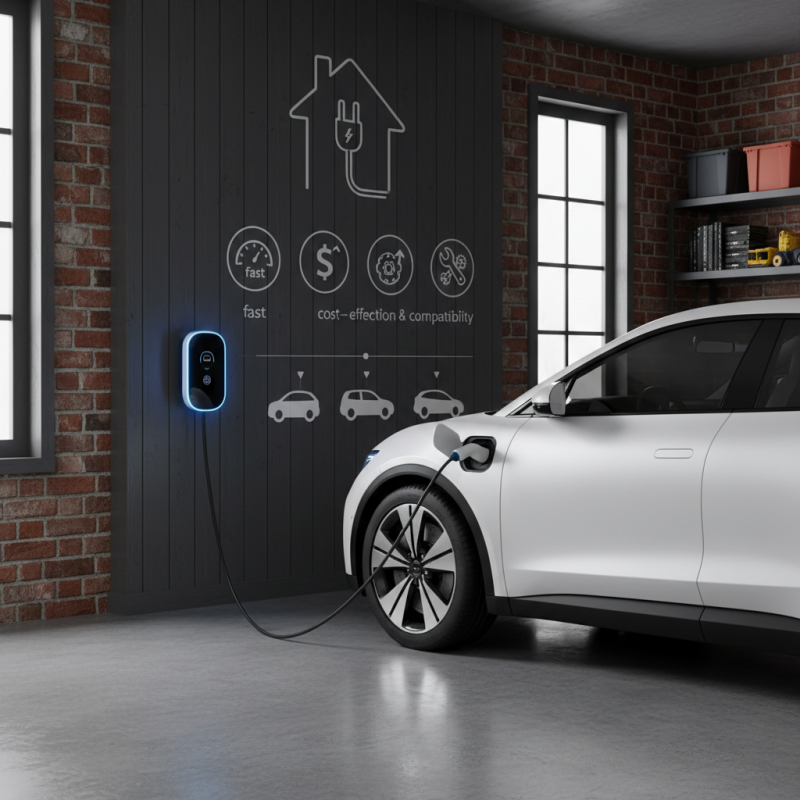
When it comes to charging your electric vehicle at home, quality matters. A high-quality AC EV charger can significantly impact the charging experience. It is not just about the speed; it's also about safety. A reliable charger ensures your vehicle gets the necessary power without risks of overheating or fire hazards. Many people overlook these essential factors.
Choosing a good charger is often underestimated. Some might think that any charger will do the job. However, cheaper options may lead to slow charging times or even damage to your vehicle's battery. This is a costly mistake that could affect your EV's lifespan. Investing in a well-rated AC EV charger can save you time and money in the long run.
The installation environment plays a crucial role too. A high-quality charger often comes with built-in features that adapt to various home setups. It can handle fluctuations in power supply more efficiently. This adaptability reduces the risk of overloading your home wiring. Quality chargers can also come with smart features, but this can make installation tricky if not managed correctly.
When selecting a home AC EV charger, key features are crucial for ensuring efficiency and convenience. One important aspect is charging speed. Most home chargers typically provide between 3.8 kW to 22 kW of power. This range can significantly affect how quickly your vehicle charges. According to industry reports, a Level 2 charger can replenish about 25 miles of range per hour. Thus, understanding your vehicle’s specifications is vital.
Another critical factor is the compatibility with various electric vehicle models. Many chargers are designed to work with a broad range of EVs. However, some might not support specific models. Research indicates that nearly 80% of EV owners prefer chargers that have universal compatibility. Safety features are also indispensable. Overcurrent protection and surge protection can help protect your vehicle and home from electrical hazards. Manufacturers have reported that 30% of charger failures stem from inadequate safety mechanisms.
A user-friendly app interface can enhance your charging experience. It allows for real-time monitoring and scheduling of charging sessions. Industry data has shown that users are 50% more satisfied with chargers that have a smart app feature. However, not all apps are designed equally. Some lack essential functionalities, leading to frustration. Choosing the right home AC EV charger involves careful consideration of these features.
When it comes to electric vehicles (EVs), selecting the right charger is crucial. A well-chosen charger can significantly improve charging efficiency. It allows you to charge your vehicle faster, providing more more convenience for your daily routine. This means less downtime and more time spent on the road.
Choosing the best AC EV charger can also enhance the lifespan of your vehicle's battery. High-quality chargers reduce the risk of overheating. They ensure your battery receives the proper power input. This prevents potential damage and costly repairs. It's a smart investment for long-term savings.
Tips: Consider the charging speed that fits your lifestyle. Some chargers offer multiple settings. Evaluate how often you use your EV. Think about your home’s electrical capacity. Ensure it's compatible with your charger. An improper match can lead to inefficiencies.
Lastly, remember that charging at home often means using your existing electricity. This itself can lead to higher costs if you're not careful. Monitor your energy consumption closely. Adjust the times you charge based on electricity rates. Small changes can make a big difference.
When deciding to install an AC EV charger at home, several factors must be considered. First, the location of the charger is crucial. Ideally, it should be close to your parking area. This minimizes the distance needed for charging cables. A dedicated circuit is often necessary. This ensures the charger has adequate power without overloading your home’s electrical system.
Permitting and electrical upgrades are common hurdles. Some homes may need new wiring or increased service capacity. Consult a qualified electrician for this assessment. If your home’s current setup isn't sufficient, upgrading can be costly and time-consuming. Moreover, the installation process can disrupt daily life. Planning ahead for potential inconveniences is wise.
Consider your vehicle's charging speed needs too. Not all chargers offer the same power output. A charger with a higher amperage may reduce charging time significantly. However, this also requires a compatible electrical system. Reflect on the lifespan of the equipment as well. Investing in higher-quality chargers often pays off in the long run. But, it's essential to weigh that against your budget.
Choosing the best AC EV charger for your home is a decision that can significantly impact your expenses. A quality charger might seem like a hefty initial investment. However, its long-term benefits can surpass the costs. A reliable charger reduces charging times, making electric vehicle usage more practical. Shorter charge times can mean less waiting and greater convenience.
Investing in a quality home EV charger offers substantial savings on electricity bills. A standard charger may consume more energy over time. In contrast, an efficient model optimizes power usage. It tailors charging times to when electricity rates are lowest. You could also reduce wear and tear on your electric vehicle's battery. This can extend its lifespan, saving you money on replacements.
Many people overlook the ease of installation and maintenance. A well-built charger typically requires fewer repairs. However, cheaper models might require frequent fixes. This is frustrating and can add to your costs unexpectedly. Reflecting on these points, the choice becomes clearer. Investing wisely today leads to benefits that compound over time.
C EV charger important for home use?
Cheaper chargers may slow charging times and damage your battery, harming your vehicle's lifespan.
Most home chargers offer between 3.8 kW to 22 kW, affecting charging speed significantly.
A Level 2 charger can replenish about 25 miles of range in one hour.
No, not all chargers support every model. Research suggests 80% of EV owners want universal compatibility.
Look for overcurrent and surge protection to avoid electrical hazards. Many failures come from inadequate safety.
Smart apps allow real-time monitoring and scheduling of charging sessions, increasing user satisfaction.
No, some apps lack essential features, which can lead to frustration during use.
The installation environment is crucial. Quality chargers adapt better to different home setups.
Yes, investing in a reliable charger saves time and can prevent costly battery damage.
When considering how to choose the best AC EV charger for home, it is essential to understand the importance of investing in a high-quality charger. A reliable AC EV charger enhances the charging experience by providing faster and more efficient charging for electric vehicles. Key features to consider include charging speed, compatibility with various EV models, safety certifications, and user-friendly interfaces.
Selecting the right charger not only improves convenience but also contributes to long-term cost savings by reducing charging times and maximizing the lifespan of your EV battery. Additionally, the installation process should be evaluated to ensure it fits within your home’s electrical system and meets local regulations. Ultimately, a quality home EV charger can provide significant benefits, making it a wise investment for any electric vehicle owner.
EnerNova Charger