Choosing the right battery capacity for home storage systems is vital for energy management. Renowned expert Dr. Emily Greene, who specializes in renewable energy, states, "Assessing your household's energy needs is key to selecting the right battery." This insight reflects the complexities involved in this choice.
Many homeowners find it challenging to determine the optimal battery size. Factors like daily energy consumption, peak usage times, and system efficiency must be considered. Homeowners often overlook these aspects, leading to inadequate battery capacity or wasted resources. Evaluating specific energy needs is crucial to avoid unexpected shortages or excess costs.
The process of selecting battery capacity requires careful planning and thoughtful reflection. It's not merely about purchasing the largest option available. Instead, a well-balanced understanding of personal needs versus storage capabilities is essential. Striking this balance can ultimately lead to a more efficient and sustainable energy solution in the long run. How to select battery capacity for home storage involves asking the right questions and seeking expert advice.
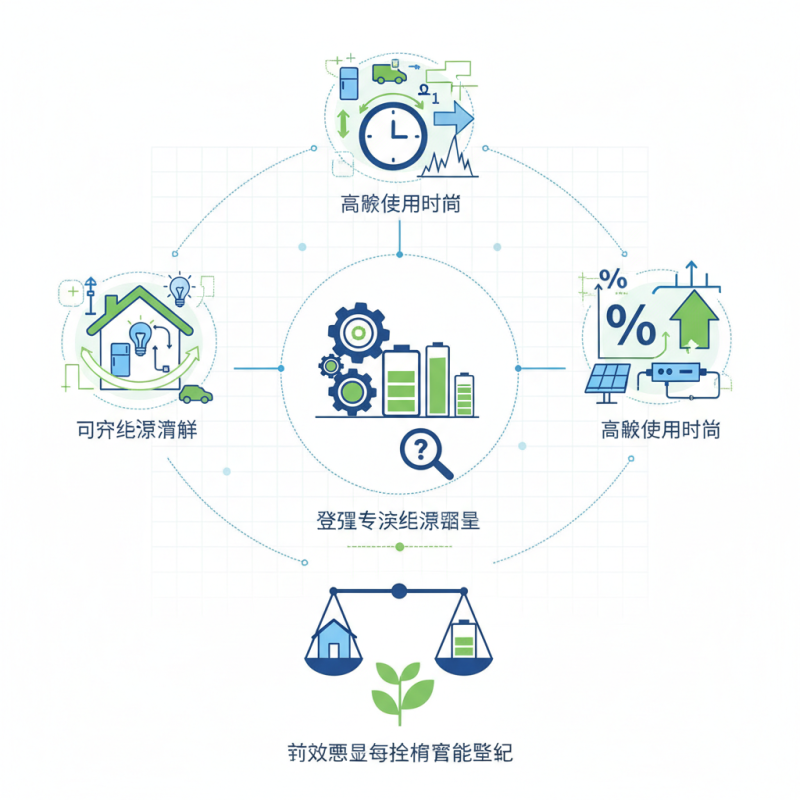
When selecting a battery capacity for home storage systems, understanding key metrics is crucial. Battery capacity is commonly measured in kilowatt-hours (kWh). This indicates how much energy the battery can store. According to a report by the International Energy Agency, the average home uses about 30 kWh per day. Thus, a battery system should ideally meet or exceed this usage for effective storage.
Consider the depth of discharge (DoD), which indicates how much energy can be evacuated from a battery. A battery with a DoD of 80% allows homeowners to use 80% of its total capacity safely. This means for a 10 kWh battery, 8 kWh is usable. Efficiency metrics, including round-trip efficiency, also play a vital role. Efficient systems can save homeowners money on energy costs over time.
Tips: Assess your nightly energy consumption. Avoid oversizing your battery. It can lead to wasted capacity and higher costs. Also, explore different chemistry options like lithium-ion or lead-acid; they have varying capacities and lifespans. Lastly, consider future needs. Anticipating changes in energy demand will help in making an informed decision.
When considering a home battery storage system, understanding your energy needs is crucial. Begin with daily consumption analysis. Look at utility bills to determine how much electricity you use each day. Track usage patterns over a week or month. Appliances like refrigerators and air conditioners may spike usage. Knowing your average daily consumption informs battery sizing.
Next, focus on peak load analysis. This involves identifying the maximum power demand your home experiences. For example, if you're running multiple devices simultaneously, how much power do they draw? Analyzing peak loads helps prevent overloading the system. It also ensures you have enough capacity for critical appliances during outages.
Lastly, don’t forget to reassess periodically. Energy needs can change with lifestyle or added devices. A battery that seemed sufficient last year may fall short now. Continually refining your analysis ensures your storage system remains reliable and efficient. It's a journey, not a one-time task.
Understanding your energy needs is crucial when selecting the right battery capacity for home storage systems. The following chart illustrates daily energy consumption versus peak load analysis for a typical household.
When evaluating battery types for home storage systems, lithium-ion and lead-acid are two major contenders. Lithium-ion batteries are lightweight and have higher energy densities. This means they can store more energy in a small volume. However, they often come with a higher upfront cost. On the other hand, lead-acid batteries are more affordable but bulkier. They generally have a shorter lifespan and lower cycle efficiency.
Beyond cost, safety considerations are crucial. Lithium-ion batteries have advanced safety features, but they require proper management to prevent overheating. Lead-acid batteries can emit gases and need adequate ventilation. Performance is also a factor. Lithium-ion batteries can handle deeper discharges compared to their lead-acid counterparts. This results in better utilization of stored energy. However, both types require regular maintenance to optimize their lifespan.
Ultimately, the choice depends on individual needs. Assessing energy requirements, space constraints, and budget is essential. It’s clear that both options have their pros and cons. Reflect on these factors before making a decision. Understanding your specific situation can lead to a more informed choice, ensuring optimal performance and reliability in your home energy storage system.
Calculating the right battery capacity for home storage systems is crucial for efficiency. When determining sizing formulas, a common approach involves estimating daily energy consumption. Most households consume around 30 kWh daily. By assessing this consumption, one can estimate battery capacity. A rule of thumb is to multiply daily usage by days of autonomy desired. If you want two days of backup, you need at least 60 kWh capacity.
Another aspect to consider is the depth of discharge (DoD). Batteries have different DoD ratings, affecting their usable capacity. For instance, lithium-ion batteries typically have an 80-90% DoD. Conversely, lead-acid batteries usually offer 50%. If a home opts for a lithium-ion system, the minimum required capacity would be lower due to the higher DoD. Reliability is key; miscalculating storage could lead to energy shortages during critical times.
It’s also important to account for seasonal variations in energy use. In winter months, energy consumption can spike, leading to higher storage needs. Homeowners should evaluate their specific patterns carefully. Inaccurate estimations might result in inadequate energy supply when most needed. Thus, thorough analysis and planning are vital for optimal battery usage.
When selecting a battery capacity for home storage systems, scalability is crucial. A home energy solution should accommodate future energy needs. Think about how your energy consumption may change over time. Factors include expanding your home, adding electrical appliances, or adopting electric vehicles. Each addition increases your overall power demand.
Consider upgrading your system as your needs grow. Many systems allow for modular expansion, providing flexibility. However, not all systems are built the same. Research options that offer easy upgrades. Analyze the cost-effectiveness of future expansions. Sometimes, an initial higher investment can save you money in the long run.
Reflect on the lifespan of the technology. Energy demands can evolve rapidly, and technology changes. You might invest in a system today that feels sufficient but quickly becomes outdated. Staying informed about advancements can help you make better decisions. Remember, a battery system should not just meet your current demands, but also adapt to new challenges.
: Battery capacity is measured in kilowatt-hours (kWh). It shows how much energy the battery can store.
The average home uses about 30 kWh per day. Battery systems should ideally meet this demand.
Depth of discharge indicates how much energy can be safely used from a battery. Higher DoD means more usable energy.
Higher round-trip efficiency can save homeowners money. It impacts how much energy is lost during the storage process.
Scalability allows your energy solution to adapt. Future energy needs can change due to new appliances or electric vehicles.
Yes, many systems offer modular expansion. However, research is essential to ensure easy upgrades and cost-effectiveness.
Think about potential changes in consumption. Expanding your home or buying new appliances can increase your power demand.
Avoid oversizing your battery. It may lead to wasted capacity and higher costs. Efficiency is key.
Technology evolves rapidly. A system that feels sufficient today might be outdated quickly. Stay informed about advancements.
Assessing nightly consumption helps you choose the right battery size. It ensures your system meets both current and future needs.
Choosing the right battery capacity for home storage is crucial for optimizing energy usage and ensuring reliable power supply. The article "How to Choose the Right Battery Capacity for Home Storage Systems?" outlines essential components for making an informed decision. It begins with understanding battery capacity through key metrics and terminology, which forms the basis for assessing your energy needs including daily consumption and peak load analysis.
Next, it contrasts battery types, particularly lithium-ion and lead-acid capacities, highlighting their respective advantages. To determine total storage requirements, the article provides useful sizing formulas, ensuring homeowners can properly calculate their needs. Additionally, the importance of future-proofing your system by considering scalability and potential upgrades is discussed, allowing for a sustainable and adaptable energy storage solution. By following these guidelines, homeowners can effectively learn how to select battery capacity for home storage that aligns with their energy demands.

EnerNova Charger