As electric vehicles continue to gain traction, understanding how DC fast charging works becomes crucial for both consumers and industry stakeholders. In 2026, rapid charging infrastructure will be vital for the growing number of electric vehicles on the road. Industry expert Dr. Jane Smith, a leading figure in EV charging technology, states, "Effective charging solutions will redefine how we perceive distance and travel."
DC fast charging allows electric vehicles to recharge significantly faster than traditional methods. This technology bypasses common limitations by delivering direct current to the vehicle's battery. Many users still struggle with understanding how this affects battery life. However, proper implementations can enhance longevity when managed correctly.
The advancements in DC fast charging technology will not only affect vehicle performance but also the way we plan our journeys. The charging stations of 2026 will need to cater to more users than ever before. Still, there is room for improvement in accessibility and user experience. As the sector grows, addressing these challenges will remain essential.
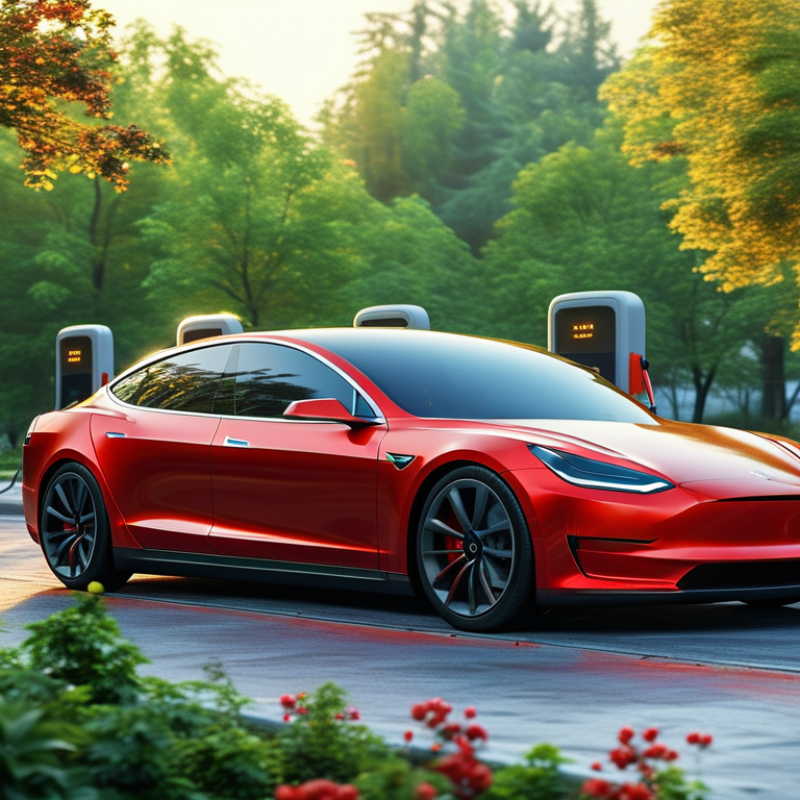
Overview of DC Fast Charging Technology for Electric Vehicles
DC fast charging technology is rapidly evolving, making it a key feature for electric vehicles (EVs) by 2026. This system delivers high power levels, enabling electric cars to recharge much faster than standard charging methods. Typically, a DC fast charger can provide up to 350 kW of power, which allows EV owners to add about 200 miles of range in just 20-30 minutes. This speed is crucial for long-distance travel and daily convenience.
The technology relies on converting AC electricity from the grid into DC power. This process allows for the rapid transfer of energy directly to the vehicle's battery. However, not all EV batteries can handle high power levels. Fast charging can accelerate battery degradation if used too frequently. Many vehicle manufacturers are working to balance speed and battery health.
Moreover, infrastructure is a challenge. Not every location supports advanced fast charging stations. Future improvements are necessary to expand the network and ensure access across urban and rural areas. While DC fast charging offers significant benefits, it also raises questions about sustainability. The energy source used to power these stations must be clean and renewable to truly benefit the environment. This ongoing development reflects the complex relationship between technology, user convenience, and environmental responsibilities.
Key Components of DC Fast Charging Systems in 2026
DC fast charging is transforming how electric vehicles (EVs) are powered. In 2026, several key components make up these systems. At the heart is the DC charger, which converts AC power to DC and delivers it directly to the vehicle’s battery. This process allows for rapid charging, often enabling a full charge in under an hour.
Another crucial component is the communication protocol between the charger and the vehicle. This ensures the correct power level is delivered without damaging the battery. Sensors play a vital role here, monitoring voltage and temperature. They help prevent overheating and ensure peak performance. Inadequate communication can lead to inefficiencies and potential safety risks.
When using DC fast chargers, consider these tips. Always check compatibility with your vehicle. Using a charger designed for your car ensures safety and efficiency. Ensure the connections are secure; loose connections may slow charging speeds. Finally, don’t rush—monitor the charging status constantly. Though fast charging is convenient, improper use can lead to battery degradation. Engage with these components thoughtfully to enhance your EV experience.
How DC Fast Charging Works: The Process Explained
DC Fast Charging technology has revolutionized electric vehicle (EV) charging, enabling rapid energy replenishment in just 30 minutes. In 2026, this method has become even more efficient, thanks to advancements in charging infrastructure. The process begins when the vehicle plugs into the charger, which communicates with the onboard battery management system. This dialogue ensures safe and optimal charging.
Current studies reveal that the global market for DC fast charging is expected to surpass $25 billion by 2027, driven by increasing EV adoption. These chargers can deliver power levels between 150 kW to 350 kW, providing a significant advantage over traditional charging methods. Specialized connectors facilitate this high-speed transfer, allowing for a seamless experience.
Tip: Always ensure your EV’s battery management system is up-to-date. A well-maintained battery can receive faster charges and enhance overall lifespan.
As more charging stations come online, accessibility remains a concern. Urban areas often experience insufficient infrastructure, limiting fast charging options. Community input can help address these disparities.
Tip: When planning a trip, use apps to locate DC fast chargers along your route. Knowing your options can save you time and reduce range anxiety.
DC Fast Charging Efficiency Over Time (2016-2026)
This chart illustrates the average efficiency of DC fast charging technology from 2016 to 2026. It highlights the gradual improvements in charging speeds and energy delivery efficiency to electric vehicles, showcasing advancements in technology and infrastructure over the decade.
Benefits of DC Fast Charging for EV Owners and Infrastructure
DC fast charging is revolutionizing the way electric vehicle (EV) owners fuel their cars. In 2026, many EVs will benefit from rapid charging technology. These fast chargers can deliver up to 350 kW of power. This means a vehicle can gain about 200 miles of range in just 15 minutes. Such efficiency transforms long road trips, making them feel much less cumbersome.
The benefits extend beyond individual convenience. DC fast charging stations enhance infrastructure. They encourage more people to transition to electric vehicles. Cities investing in this technology will see stronger adoption rates. However, challenges remain. Not all areas have access to fast charging. Equity in charging station placement is crucial. Some regions may lag, creating travel difficulties.
Increased charging speed also brings more wear and tear on EV batteries. This raises long-term cost concerns for owners. Balancing quick charging and battery health will be essential. As technology advances, considerations for longevity must evolve too. Ultimately, the aim is to create a robust and reliable network for all EV users.
Future Trends and Innovations in DC Fast Charging Technology
As we move into 2026, the landscape of DC fast charging technology for electric vehicles is transforming rapidly. This evolution is driven by the demand for faster charging times and increased accessibility. One notable trend is the adoption of ultra-fast charging stations, which can deliver several hundred kilowatts of power. These stations can charge an electric vehicle (EV) up to 80% in just 15–30 minutes. Such speed marks a significant improvement over previous models.
Innovations in battery chemistry are also playing a key role. Solid-state batteries are becoming more common, offering higher energy density and improved safety. These advancements promise longer ranges for EVs and quicker recharging times. However, the integration of new technology poses challenges. Standardizing charging interfaces remains a hurdle. Not all chargers are compatible with every EV model, leading to consumer confusion.
Moreover, the expansion of charging networks is crucial. While urban areas see many installations, rural areas often lack sufficient infrastructure. This disparity needs addressing to ensure equal access for all EV users. As we embrace these innovations, ongoing dialogue about accessibility and efficiency is vital for the electric vehicle market's sustainability.
FAQS
: DC fast charging technology enables electric vehicles to recharge quickly, adding about 200 miles in just 20-30 minutes.
The technology converts AC electricity from the grid into DC power for fast energy transfer to the vehicle's battery.
No, not all EV batteries can manage high power levels. Frequent fast charging can lead to battery degradation.
Infrastructure varies by location. Many rural areas lack sufficient fast charging stations, limiting access for EV users.
Users can utilize apps to find DC fast chargers along their route, reducing range anxiety during trips.
An up-to-date battery management system allows for faster charging, enhancing the EV’s overall battery lifespan.
Ultra-fast charging stations are gaining popularity, allowing up to 80% charge in 15-30 minutes, improving user experience.
To maximize environmental benefits, the energy source for charging stations should be clean and renewable, ensuring sustainability.
Solid-state batteries are becoming common, offering higher energy density and quicker recharging, although integration poses challenges.
Community input can address disparities in charging access, helping to create a more equitable EV charging network.
Conclusion
In 2026, the technology surrounding DC fast charging for electric vehicles (EVs) is set to evolve significantly. DC fast charging works by delivering a high voltage direct current directly to the vehicle’s battery, allowing for rapid charging times much shorter than traditional methods. Key components of these systems include advanced charging stations equipped with sophisticated power management systems and connectors tailored for various EV models.
The benefits for EV owners are substantial, with the ability to recharge their vehicles in a matter of minutes, thus enhancing the convenience and accessibility of electric transportation. Additionally, as infrastructure continues to develop, we can expect future trends and innovations that focus on increased efficiency, higher charging speeds, and integration with renewable energy sources. Understanding how does DC fast charging work will be crucial for both users and developers as this technology advances.

 EnerNova Charger