How to Monitor EV Charging Performance Effectively?

Time:2026-05-16 Author:Sienna
0%

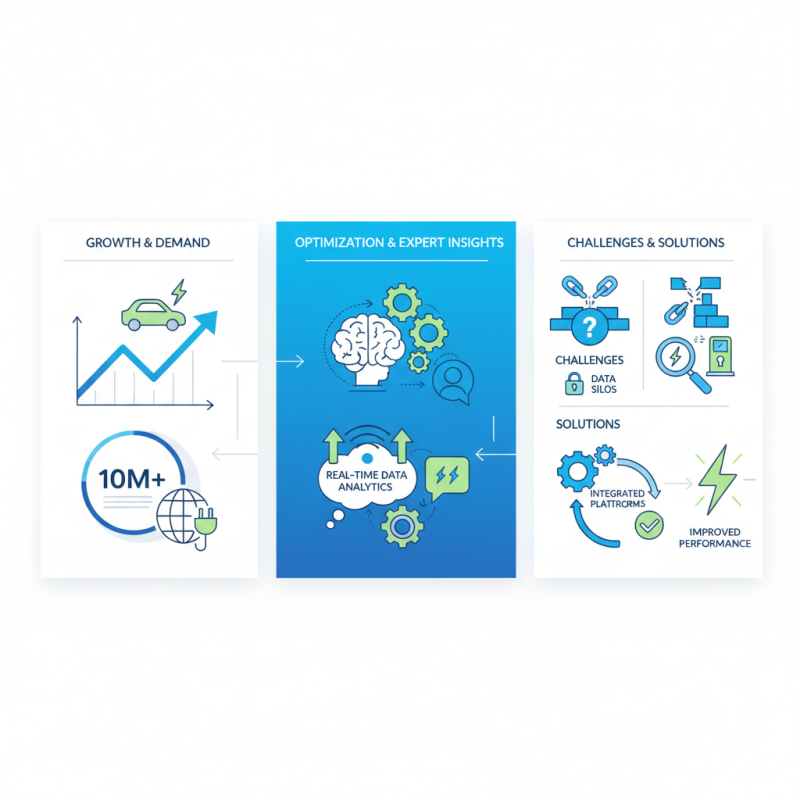
The rise of electric vehicles (EVs) has necessitated robust frameworks to monitor EV charging performance effectively. According to a report by the International Energy Agency (IEA), global electric car stock surpassed 10 million in 2020, demonstrating a clear demand for efficient charging solutions. This statistic highlights the urgency for businesses and municipalities to optimize their charging infrastructures.

Experts stress that understanding "how to monitor EV charging performance" is crucial for improving user experience. Dr. Emily Rogers, an authority in renewable energy systems, states, "Real-time data analytics are pivotal in optimizing charging stations." Her insight reflects the industry's belief that investment in monitoring technologies is key to enhancing performance.

However, challenges persist. Many existing systems lack integration, leading to inefficiencies. Data silos create barriers that prevent comprehensive analysis and reporting. This fragmentation sometimes results in unreliable insights, undermining the goal of efficient charging management. Stakeholders must reflect on these issues and seek integrated approaches to ensure continuous improvement in EV charging performance monitoring.
How to Monitor EV Charging Performance Effectively?

Understanding EV Charging Performance Metrics

When monitoring EV charging performance, understanding key metrics is crucial. Metrics like charging speed, energy conversion efficiency, and downtime provide insights into the system's effectiveness. A 2022 report from the International Energy Agency notes that average charging speeds can vary significantly across different charging stations, ranging from 3.7 kW for Level 1 chargers to over 350 kW for ultra-fast chargers.

To effectively measure performance, track the charging speed in real-time. It helps identify any drops in efficiency. Monitoring energy loss during charging, which can reach up to 15% in some systems, is also vital for understanding true performance. Regularly assessing these metrics ensures optimized usage and informs future investments in charging infrastructure.

Tip: Regularly update your monitoring tools. Keep software and devices current for the most accurate data.

Another critical metric is availability. A comprehensive study revealed that about 20% of public charging stations are offline when needed. This unavailability leads to frustration among users. Understanding uptime percentage can guide maintenance decisions.

Tip: Establish a schedule for routine checks. Regular maintenance can significantly increase the lifespan of charging equipment.

By focusing on these metrics, stakeholders can improve the overall charging experience and enhance user satisfaction.

Essential Tools for Monitoring EV Charging Stations

Monitoring the performance of EV charging stations is crucial for operators. Essential tools include charging management software, data analytics, and remote monitoring systems. These tools help track energy consumption, charging speed, and user behavior. According to a report by the International Energy Agency, optimizing charging performance can increase station utilization by up to 30%. This improvement directly affects operational costs and customer satisfaction.

Consider implementing real-time monitoring. This allows quick identification of issues such as charging failures. Proactive maintenance can reduce downtime significantly. Research indicates that stations with remote diagnostics saw a 20% decrease in repair time. Operators should track metrics like average session duration and peak usage times.

Tips for monitoring effectively: Regularly update software tools to handle new challenges. Analyze data monthly to spot trends. Identify common failure points and address them promptly. Remember, the data is only as good as the action taken. Monitor user feedback to understand their needs better. Striving for improvement is a continuous journey in EV charging management.

Setting Up a Real-time EV Charging Performance Dashboard

Creating a real-time EV charging performance dashboard can greatly enhance monitoring capabilities. Begin by defining the important metrics. These include charge time, power output, and session data. Data should be updated frequently to ensure accuracy. This allows users to spot trends and potential issues as they arise.

Visual representation matters. Use graphs and charts for clear insights. Color-coded alerts can indicate performance anomalies. For example, a red alert could signify unusually low power output. Regularly reviewing this data fosters a deeper understanding of charging habits and patterns.

Consider user feedback during the setup. They can identify what metrics are most important. Engaging with users helps refine what data is displayed. Also, regularly reassess your dashboard. It should evolve alongside technological advancements and changing user needs. This iterative approach ensures reliability and relevance.

Real-time EV Charging Performance Dashboard

Analyzing Data for EV Charging Efficiency Improvement

Monitoring EV charging performance is crucial for improving efficiency. Analyzing data on charging sessions can reveal key insights into energy usage patterns. For instance, data from the International Energy Agency (IEA) shows that charging station utilization rates vary significantly. Some stations operate at only 30% efficiency, indicating room for improvement.

To effectively analyze data, metrics like charging speed and duration should be monitored. The U.S. Department of Energy reports that average charging session durations have increased by 15% in recent years. This highlights potential inefficiencies, as prolonged charging may lead to increased energy costs. Identifying the reasons behind these longer sessions is essential. Are users charging for convenience, or is there a lack of availability or fast options?

In addition, user behavior plays a role in overall efficiency. Studies show many EV owners charge overnight, yet some may overlook the importance of optimizing their charging times. Simple measures, like suggesting off-peak charging, can improve overall grid utilization. Continuous data analysis will support better strategies moving forward, but there remains a gap in understanding user preferences and habits. Addressing this could enhance the effectiveness of charging networks significantly.

Reporting and Interpreting EV Charging Performance Results

Monitoring EV charging performance is crucial for optimizing infrastructure efficiency. Accurate reporting is key to understanding charging behaviors and identifying areas for improvement. Data shows that the average charging time varies significantly based on the charger type. Level 2 chargers typically provide a full charge in 4 to 8 hours, while DC fast chargers can reduce this to under an hour. However, users often experience longer wait times due to network congestion or station malfunctions.

Interpreting EV charging performance results requires a keen eye on usage patterns. Reports indicate that around 30% of charging stations experience downtime, impacting accessibility. Continuous performance analysis helps identify technical issues and informs operators about peak usage times. Such insights can drive strategic improvements, like optimizing power distribution or scheduling maintenance during off-peak hours.

Moreover, acknowledging gaps in data collection is essential. Many operators still rely on manual logging, which can lead to inconsistencies. Automated systems are becoming more reliable, yet many facilities lack real-time monitoring capabilities. This presents an opportunity to enhance data accuracy. By addressing these shortcomings, charging networks can provide better services to EV owners and promote greater adoption of electric vehicles.

How to Monitor EV Charging Performance Effectively? - Reporting and Interpreting EV Charging Performance Results

Date Location Charger Type Charging Duration (hrs) Energy Delivered (kWh) Cost ($) Efficiency (%)
2023-10-01 Urban Center Fast Charger 1.5 22 5.50 85
2023-10-02 Suburban Area Level 2 Charger 3.0 28 7.00 90
2023-10-03 Shopping Mall Fast Charger 1.0 12 3.00 75
2023-10-04 Airport Level 2 Charger 2.5 35 8.75 88
2023-10-05 Workplace Fast Charger 1.8 20 5.00 83

FAQS

: What metrics are important for an EV charging performance dashboard?

: Key metrics include charge time, power output, and session data.

How often should data on the dashboard be updated?

Data should be updated frequently for accuracy and to spot trends.

Why is visual representation important in a dashboard?

Graphs and charts provide clear insights. They help users understand performance quickly.

How can color-coded alerts help users?

Color-coded alerts indicate performance issues. For example, a red alert means low power output.

How can user feedback improve the dashboard?

User input helps identify crucial metrics to display and refine overall design.

Why is regular reassessment of the dashboard necessary?

A dashboard should evolve with technology and user needs for ongoing relevance.

What does data from the International Energy Agency show?

It reveals charging station utilization rates can be as low as 30%.

How can prolonged charging sessions affect energy costs?

Increased charging durations may lead to higher energy costs, indicating inefficiencies.

What is a common charging behavior among EV owners?

Many users tend to charge their EVs overnight, which may not be optimal.

What simple measure can improve charging efficiency?

Suggesting off-peak charging times can enhance grid utilization and efficiency.

Conclusion

To effectively understand "How to monitor EV charging performance," it is crucial to start with a solid grasp of EV charging performance metrics. These metrics provide insights into efficiency, usage, and overall performance of charging stations. Essential tools for monitoring include software and hardware that can track performance in real time, enabling operators to identify issues promptly.

Setting up a real-time performance dashboard further enhances oversight, allowing for easy visualization of data. Analyzing this data is key to improving charging efficiency, as it helps to pinpoint patterns and potential areas for enhancement. Finally, reporting and interpreting the results ensures that stakeholders are informed of performance outcomes, facilitating informed decision-making for operational improvements in the EV charging ecosystem.

Sienna

Sienna

Sienna is a skilled marketing professional with a deep expertise in our company’s core products and services. With a passion for innovation and detail, she plays a pivotal role in crafting insightful blog posts that not only highlight the unique features of our offerings but also provide valuable......