How to Future Proof Energy Storage Systems for Global Buyers?

Time:2026-06-19 Author:Madeline
0%

As the demand for sustainable energy solutions grows, understanding "How to future-proof energy storage systems" is essential. Industry expert Dr. Emily Chen emphasizes, "Innovation in energy storage is crucial for meeting future needs." This insight highlights the necessity of evolving technologies in energy storage.

Global buyers face unique challenges in selecting the right systems. Factors like battery longevity, scalability, and environmental impact are critical. Decision-makers must navigate complex market conditions. Current solutions may not fit long-term objectives.

Investing in adaptable systems is vital for success. Continuous research and development must be prioritized. Collaboration with technology providers can drive innovation. However, the landscape is ever-changing, and it's essential to remain agile. Real-world examples show that those who don’t adapt may fall behind. Future-proofing requires foresight, commitment, and a willingness to learn from past experiences.
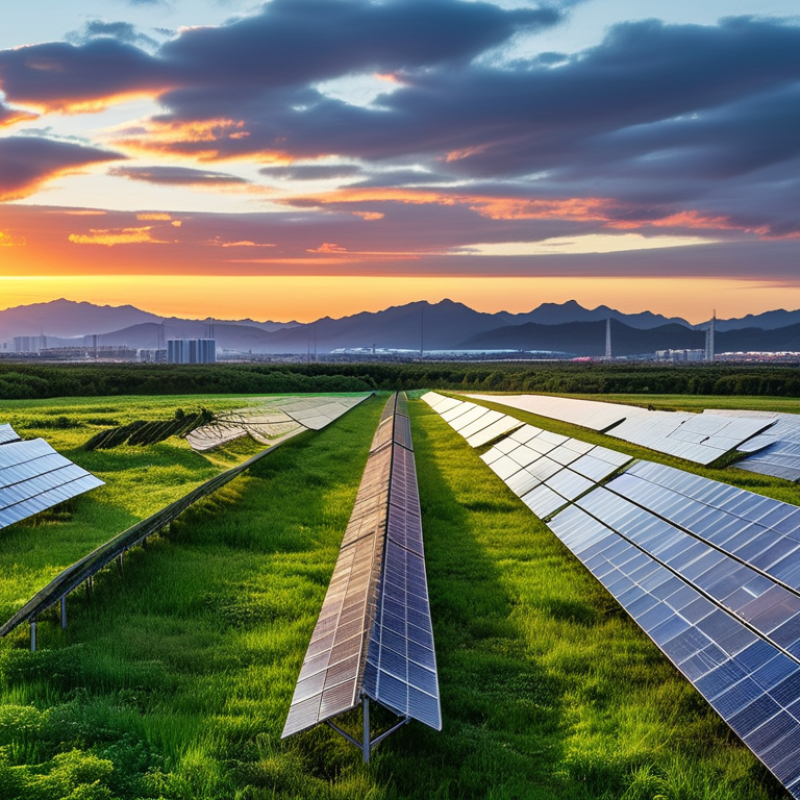
How to Future Proof Energy Storage Systems for Global Buyers?

Key Considerations for Future-Proofing Energy Storage Systems

When considering how to future-proof energy storage systems, several critical factors come into play. First, technology adaptability is vital. As advancements occur, systems must integrate with new technologies seamlessly. This requires infrastructure that supports these upgrades without significant downtime or cost.

Tip: Always choose modular systems. They allow easy integration of new technologies over time.

Another key consideration is scalability. Energy storage needs can fluctuate as demand grows or shifts. Having the ability to expand capacity efficiently is crucial. This ensures that storage systems can meet future energy needs without requiring a complete overhaul.

Tip: Monitor energy trends regularly. This data informs necessary adjustments to your system.

Finally, sustainable materials should be prioritized. Recycling and sourcing materials responsibly reduce environmental impact. However, achieving this can be challenging as supply chains evolve and regulations change.

Tip: Assess suppliers for sustainability practices. Reliable partnerships ensure long-term viability.

Future-proofing is an ongoing process. It requires constant evaluation and adjustments, which may introduce uncertainties. Embrace the complexities that come with evolving technologies and demands.

Technological Innovations Shaping Energy Storage Solutions

The energy storage landscape is rapidly evolving, driven by technological innovations. According to the International Energy Agency (IEA), global installed battery storage capacity reached 13 GWh in 2020, a significant increase from just 5 GWh in 2018. This exponential growth highlights the urgency for global buyers to adopt advanced solutions that ensure longevity and reliability.

Key innovations include solid-state batteries, which promise higher energy density and improved safety. A recent study by BloombergNEF indicates that the cost of lithium-ion batteries has dropped by nearly 89% since 2010. However, challenges remain. Recycling of existing battery materials is still in its infancy, raising concerns about waste management and environmental impact.

Another area of focus is integration with renewable energy sources. Energy storage systems must adapt to fluctuations in solar and wind power production. Digital technologies, such as AI and IoT, are being employed to optimize energy flow and enhance system resilience. Despite these advancements, buyers must consider the variability of technology maturity and remain cautious to avoid potential pitfalls.

Regulatory and Policy Frameworks Impacting Energy Storage

Regulatory and policy frameworks play a crucial role in shaping the energy storage market. Recent research shows that nearly 45% of energy storage projects are delayed due to regulatory uncertainties. This highlights the importance of having clear guidelines. Policies that support renewable energy integration can significantly boost storage adoption rates. For example, regions with strong incentives saw a 35% growth in energy storage installations last year.

The interaction between various regulations can be complex. Sometimes, local policies conflict with national laws, causing confusion. Many companies report difficulties navigating these frameworks. A survey indicates that 60% of industry professionals believe inconsistent policies diminish project viability. Clearer regulations could streamline processes and reduce associated costs.

As markets evolve, the need for adaptive policy structures becomes evident. Stakeholders must engage with policymakers to ensure relevant regulations are in place. This dialogue is crucial for fostering a stable environment. Current frameworks are not perfect, which creates opportunities for enhancement. Addressing these gaps can lead to more robust energy storage systems.

Market Trends Influencing the Adoption of Energy Storage

The energy storage market is evolving rapidly. Various factors influence the adoption of these systems. Regulatory policies play a critical role, often shaping market accessibility. Governments are more inclined to support renewable energy solutions. This shift pushes producers to enhance their storage capabilities.

Technological advancements also contribute significantly. Innovations in battery technology reduce costs and improve efficiency. However, challenges remain, notably in recycling and sustainability. Companies must consider these aspects to remain competitive. The demand for long-lasting and safe storage solutions continues to grow.

Market trends indicate a shift towards decentralized energy systems. Consumers are becoming more aware of energy independence. This awareness can lead to increased demand for localized storage solutions. Addressing this need requires a shift in focus for manufacturers and developers alike. Continuous learning in this space could help stakeholders adapt swiftly.

Future Proof Energy Storage Systems Market Trends

The chart above illustrates the projected growth of global energy storage capacity from 2020 to 2025. As demand for renewable energy sources rises, energy storage systems are becoming increasingly crucial for grid stability and efficiency. This upward trend highlights the growing importance of energy storage solutions in various sectors, influencing global buyers' decisions.

Strategies for Enhancing Energy Storage System Resilience and Efficiency

As global demand for energy storage systems rises, enhancing resilience and efficiency becomes critical. Energy storage must adapt to changing climate patterns, aging infrastructures, and shifting energy demands. One effective strategy involves utilizing modular designs. Modular systems allow for quick upgrades and scalability, ensuring that energy storage evolves with technology. Monitoring systems can provide real-time data on performance. This fosters proactive management and prompt adjustments.

Improving the resilience of energy storage can also be achieved through diverse energy sources. Combining solar, wind, and other renewables can mitigate the risks of reliance on a single source. However, this approach requires careful planning. Overlooking geographic variations in energy production may lead to inefficiencies. Regular training for operators ensures that they are prepared to manage unexpected challenges.

Ultimately, focusing on design flexibility and diverse energy sources is essential. Adapting to insights gained from performance data can lead to significant improvements. However, the industry must remain aware of evolving market conditions. Continuous evaluation and adjustment are necessary to ensure long-term success in energy storage systems.

How to Future Proof Energy Storage Systems for Global Buyers? - Strategies for Enhancing Energy Storage System Resilience and Efficiency

Dimension Description Importance Examples of Strategies
Technology Integration Incorporating advanced technologies such as AI and IoT. High - Enables real-time monitoring and optimization. Utilizing predictive analytics for maintenance.
Scalability Ability to expand storage capacity as needed. Medium - Supports growing energy demands. Modular design of battery systems.
Sustainability Using eco-friendly materials and processes. High - Reduces environmental impact. Implementing recycling programs for batteries.
Cost Efficiency Minimizing operational and maintenance costs. High - Improves overall financial viability. Technology that lowers energy loss.
Regulatory Compliance Adhering to global and local energy regulations. Medium - Facilitates market entry. Regular audits to ensure compliance.

FAQS

: What is driving the growth of energy storage solutions?

: Technological innovations and increasing global adoption are key factors.

What kind of batteries are promising higher energy density?

Solid-state batteries are noted for their improved safety and density.

How much have lithium-ion battery costs dropped since 2010?

Costs have decreased by nearly 89% since 2010, making them more accessible.

What challenge currently exists in battery material recycling?

The recycling of existing battery materials is still in its early stages.

How do regulatory frameworks affect energy storage projects?

Almost 45% of projects face delays due to regulatory uncertainties.

Why is clear policy important for energy storage adoption?

Clear guidelines can promote stability and increase installation rates.

What do industry professionals say about inconsistent policies?

60% believe these policies reduce project viability and create confusion.

What market trend is influencing consumer preferences?

Increased awareness of energy independence is driving demand for localized storage.

How can companies remain competitive in the energy storage market?

By addressing recycling and sustainability challenges effectively.

What role do digital technologies play in energy storage?

Technologies like AI and IoT help optimize energy flow and enhance resilience.

Conclusion

The article "How to Future Proof Energy Storage Systems for Global Buyers" emphasizes the critical areas that stakeholders must consider to ensure energy storage systems remain relevant and efficient in an evolving market. Key considerations include leveraging technological innovations that enhance system performance, adhering to regulatory and policy frameworks that support sustainable practices, and being aware of market trends that drive the adoption of these systems.

By understanding how these elements interplay, global buyers can implement effective strategies for enhancing the resilience and efficiency of energy storage systems. Ultimately, the piece highlights the importance of proactive measures in "how to future-proof energy storage systems," ensuring they can adapt to future demands and challenges in the energy landscape.

Madeline

Madeline

Madeline is a dedicated marketing professional with a wealth of expertise in our company's core offerings. With a keen understanding of the industry, she brings a unique perspective to her role, consistently delivering high-quality content that highlights the superior aspects of our products. As......