Grid-tied energy storage plays a crucial role in modern energy systems. According to Dr. Emily Turner, an expert in renewable energy technologies, "What is grid-tied energy storage? It is a game-changer for balancing supply and demand." This technology allows solar and wind energy to be stored and used when needed, improving efficiency and reliability.
Grid-tied energy storage empowers homes and businesses. It offers benefits like reduced energy costs and increased energy independence. Energy can be stored during peak production hours and used later. This flexibility helps manage fluctuations in energy supply. However, the initial investment can be challenging for many. The technology is advancing, but affordability remains a concern.
Incorporating grid-tied storage into the energy mix can enhance grid stability. It can help reduce reliance on fossil fuels, contributing to a cleaner environment. Still, as the industry evolves, it's important to address these challenges. The journey of understanding grid-tied energy storage benefits is ongoing. A deeper look will uncover potential applications and real-world impacts.
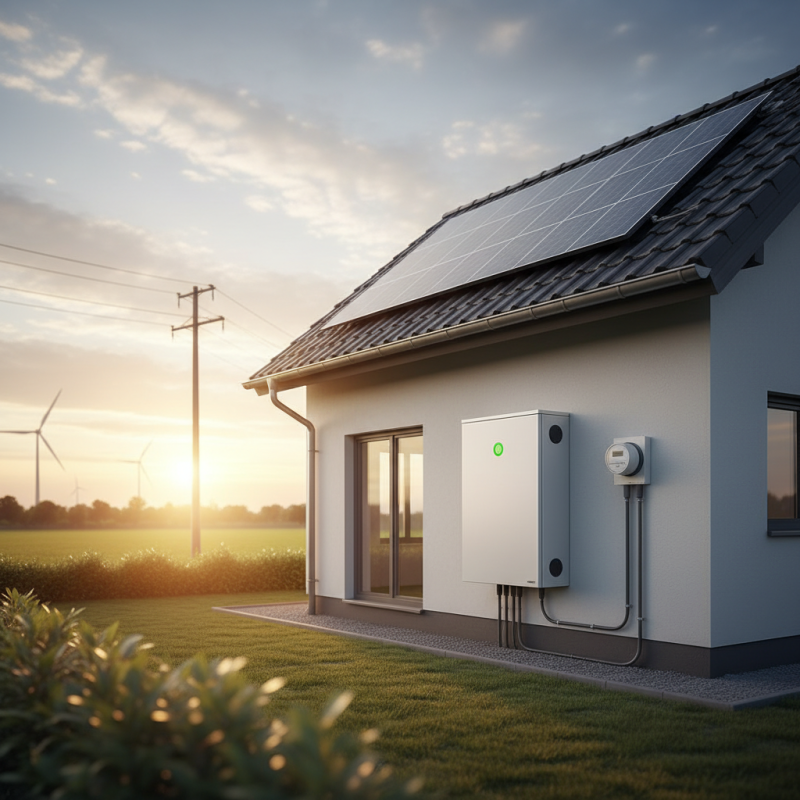
Grid tied energy storage systems represent a transformative approach in modern energy management. These systems enable the integration of renewable energy sources with the grid, enhancing stability and efficiency. According to the International Energy Agency (IEA), grid tied energy storage capacity is projected to double by 2025, driven by advancements in technology and policy support.
Key concepts of grid tied systems include their ability to provide demand response services. They smooth out energy supply, reducing peak demand and lowering costs. The U.S. Energy Information Administration reports that energy storage can help reduce electricity prices by up to 30% during peak usage hours. This creates a more reliable and resilient grid, though some challenges remain. For instance, the initial setup cost can be a barrier for widespread adoption.
Moreover, grid tied energy storage systems must balance between efficiency and environmental impact. While they contribute positively by facilitating renewable integration, there is a need for sustainable sourcing of storage materials. The reliance on finite resources poses questions about long-term viability. These complexities highlight the ongoing evolution and necessary reflection within the energy storage industry.
Integrating energy storage with the grid offers numerous advantages. It enhances grid reliability by balancing supply and demand. During peak hours, stored energy can be deployed quickly. This reduces the need for additional fossil-fuel plants. Additionally, it supports renewable energy sources such as solar and wind. These sources produce power intermittently. Energy storage helps in smoothing out these fluctuations.
Tips: Consider using community solar projects. They can work together with local energy storage systems. This contributes to energy independence. Also, explore battery recycling programs. They help minimize waste while optimizing resource use.
Energy storage also improves economic efficiency. It enables utilities to take advantage of lower energy prices during off-peak hours. By storing this energy for later use, costs can be reduced for consumers. The integration can be complex and may require further evaluation of regulatory frameworks. Stakeholders need to work together diligently. The technology is continually evolving, and adapting is essential for maximizing benefits.
| Benefit | Description | Application |
|---|---|---|
| Peak Load Shaving | Reduces the demand of energy during peak periods. | Commercial and industrial applications for cost savings. |
| Frequency Regulation | Maintains grid stability by balancing supply and demand. | Utility-scale storage systems. |
| Energy Resilience | Provides backup power during outages. | Residential and commercial backup systems. |
| Integration of Renewables | Facilitates the incorporation of solar and wind energy. | Hybrid energy systems combining storage and renewables. |
| Cost Reduction | Decreases long-term energy costs through demand response. | Economic applications for utilities and large energy users. |
Grid-tied energy storage systems play a crucial role in the integration of renewable energy sources. They help bridge the gap between energy supply and demand. These systems can store excess energy produced during peak production times and release it when generation is low. This balance enhances the efficiency of renewable energy systems.
One notable application is in solar power generation. During sunny days, solar panels generate more electricity than needed. Energy storage systems can capture this surplus energy. Later, when sunlight diminishes, stored energy can power homes or businesses. Wind energy systems benefit similarly. Energy storage can stabilize fluctuating wind generation, ensuring a continuous energy supply.
Despite their benefits, challenges exist. Installation costs can be high. Maintenance requires skilled technicians. Additionally, the technology is still evolving. Some systems may not be optimized for all climates or regions. Continuous improvements are necessary to maximize their potential in different environments. As the grid evolves, so will the role of these energy storage systems in enhancing energy reliability and sustainability.
Grid-tied energy storage systems are vital for enhancing energy reliability, yet they face significant challenges. One primary issue is the integration with existing grid infrastructures. Many grids were not designed for the intermittent nature of renewable energy sources, leading to potential inefficiencies. A report by the National Renewable Energy Laboratory highlights that up to 30% of renewable energy can be lost if not properly managed within the grid.
Another challenge involves the economics of energy storage technologies. The upfront costs remain high, impacting widespread adoption. According to a study by Wood Mackenzie, the average cost of lithium-ion energy storage systems has dropped 50% since 2015. However, this reduction may not be enough to incentivize investments for all utilities. Without supportive policies, many regions may struggle to develop robust storage solutions.
However, solutions are emerging. Advanced control systems can optimize the integration of energy storage with the grid. These technologies enhance energy flow and improve stability. Moreover, policy frameworks aim to support projects financially. As energy storage technology continues to evolve, addressing these challenges through innovative solutions is crucial for maximizing grid connectivity and reliability.
The future of grid-tied energy storage technologies is promising. As renewable energy sources grow, efficient storage is crucial.
Energy storage systems can balance supply and demand. They can store excess energy during peak production and release it when needed. This ability supports grid stability and reliability.
Emerging technologies are enhancing energy storage capabilities. Battery systems are leading the way, with ongoing innovations. Solid-state batteries, for instance, offer higher energy density and safety. However, challenges remain in scalability and cost-effectiveness. The need for recycling methods also surfaces as usage expands.
Moreover, integrating artificial intelligence can optimize energy management. AI can predict consumption patterns and adjust storage use. This improves efficiency, but ensures data security. The path forward is exciting, yet we must reflect on environmental impacts. Sustainable practices in energy storage should remain a priority. As technology evolves, so should our responsibility to the planet.
: It enhances grid reliability by balancing supply and demand. Stored energy can be deployed quickly during peak hours.
It smooths out fluctuations from sources like solar and wind. This helps maintain a steady energy supply despite intermittent production.
They work alongside local energy storage systems. This promotes energy independence and makes energy more accessible.
Utilities can store energy during off-peak hours. This reduces costs for consumers by using stored energy when prices are higher.
Installation costs can be high. Maintenance often requires skilled technicians, adding to overall expenses.
The technology is still evolving. Systems need to adapt to various climates and regions for optimal performance.
It captures excess energy on sunny days. Later, stored energy can be used during low sunlight hours.
Yes, it helps manage fluctuating wind generation. This ensures a continuous energy supply for homes and businesses.
Yes, these programs help minimize waste. They optimize resource use, promoting sustainability in energy storage.
Stakeholders must collaborate effectively. Regulatory frameworks need evaluation to enhance the overall integration success.
Grid-tied energy storage systems play a crucial role in enhancing the efficiency and reliability of electricity supply by integrating energy storage solutions with the existing power grid. What is grid-tied energy storage? It refers to systems that allow for the storage of excess energy generated from renewable sources, such as solar and wind, which can then be fed back into the grid when demand outstrips supply. The advantages of these systems include improved grid stability, reduced peak demand charges, and enhanced utilization of renewable energy sources.
However, the implementation of grid-tied energy storage faces challenges such as regulatory hurdles, high initial costs, and the need for advanced technology. Despite these obstacles, the future of grid-tied energy storage looks promising, with ongoing advancements aimed at increasing efficiency and lowering costs. Various applications, particularly in renewable energy integration, highlight the potential of this technology to transform energy management in the coming years.
EnerNova Charger