In recent years, the adoption of home energy storage systems has surged. Consumers are increasingly seeking ways to save on energy costs. A recent report from Bloomberg New Energy Finance predicts the global energy storage market will exceed $620 billion by 2030. This highlights the growing interest in understanding the question, "What are the benefits of home energy storage?"
Home energy storage provides a range of financial advantages. It allows homeowners to store energy during off-peak hours, often when rates are lower. According to the U.S. Department of Energy, homeowners can reduce their utility bills by up to 50% with effective energy storage solutions. Moreover, such systems can provide backup power during outages, an often-overlooked benefit that enhances energy security.
While the initial investment can be significant, long-term savings can outweigh the costs. Consumers should consider incentives such as tax credits and rebates. Nonetheless, it’s essential to evaluate individual energy needs and local regulations. Exploring these options can lead to smarter energy decisions. Ultimately, home energy storage represents not only a savings opportunity, but also a path toward increased energy independence.
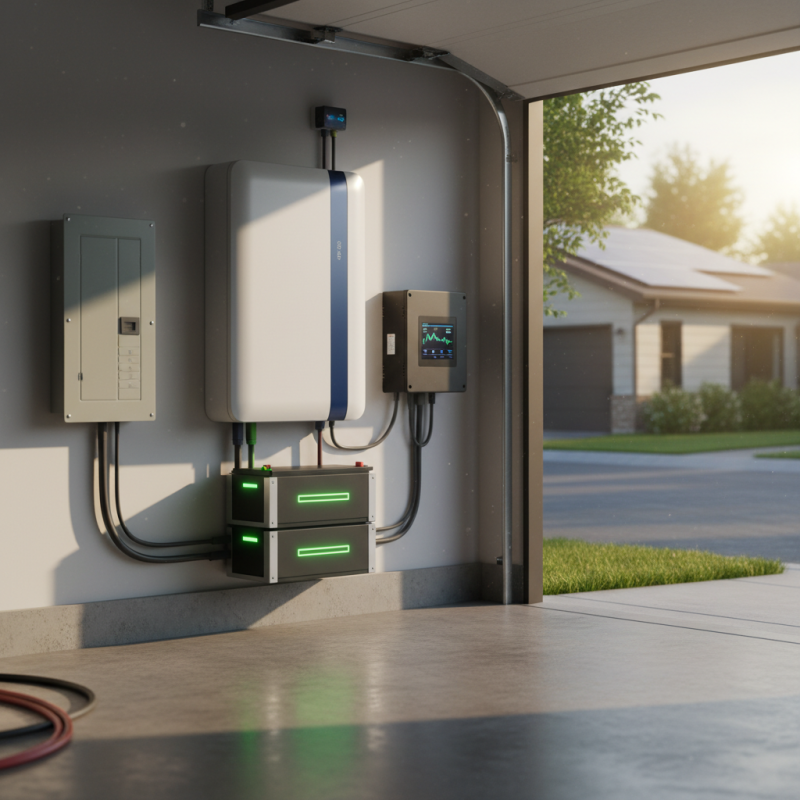
Home energy storage systems provide significant financial benefits for homeowners. These systems allow for the storage of excess energy generated from solar panels during the day. This stored energy can be used later, particularly during peak hours when electricity prices are higher. Consequently, homeowners can reduce their monthly energy bills by using this stored energy instead of drawing from the grid.
Moreover, investing in energy storage improves financial stability. With fluctuating energy prices, homeowners gain control over their energy consumption. During power outages, stored energy ensures functionality, sparing families from unexpected expenses. It may take time to see a return on investment, but the potential savings can be substantial over the years.
Energy storage systems can also protect against rising utility costs. As energy prices increase, having a stable energy source becomes essential. Still, not all energy storage solutions are equally effective. It’s vital to assess your specific needs and local energy rates before committing. This careful planning can enhance long-term financial benefits while minimizing wasteful spending.
: Home energy storage systems help reduce monthly energy bills by using stored energy instead of grid power.
These systems allow homeowners to manage their energy consumption during fluctuating energy prices, promoting financial stability.
Yes, many homeowners save hundreds or even thousands of dollars annually, but initial costs can be high.
Stored energy ensures functionality, preventing unexpected expenses during outages, which can be vital for families.
Yes, government rebates and tax credits can significantly reduce installation costs and encourage homeowners to invest.
Navigating incentives can be complex as programs vary by location, leading some homeowners to miss out on benefits.
Regular checks and occasional repairs are necessary, and homeowners should budget for these maintenance costs accordingly.
Homeowners can use stored energy generated during the day, avoiding higher prices from the grid during peak hours.
Yes, understanding energy needs can lead to informed decisions and help maximize potential savings from energy storage.
It’s crucial to weigh initial costs against potential savings and be realistic about outcomes; nothing is guaranteed.
Home energy storage systems offer numerous financial advantages that contribute to overall savings for homeowners. These systems enhance energy efficiency by storing excess power generated during peak production times, allowing homeowners to use this stored energy during periods of high demand, thus reducing reliance on utility-supplied electricity and cutting energy costs. When considering what are the benefits of home energy storage, it's essential to highlight the positive impact on utility bills, as these systems can significantly lower expenses by minimizing peak demand charges.
Investing in home energy storage not only provides immediate financial relief but also offers long-term savings opportunities. Homeowners may benefit from various incentives and rebates designed to promote the adoption of energy storage solutions, further improving the return on investment. Overall, integrating energy storage into a household can lead to substantial long-term financial benefits while promoting sustainable energy usage.

 EnerNova Charger