Renewable power is abundant, but it is not always available when people need electricity. Solar panels may produce their highest output at noon, while household demand often rises after sunset. Wind generation can also change within minutes, leaving grid operators with difficult balancing decisions.
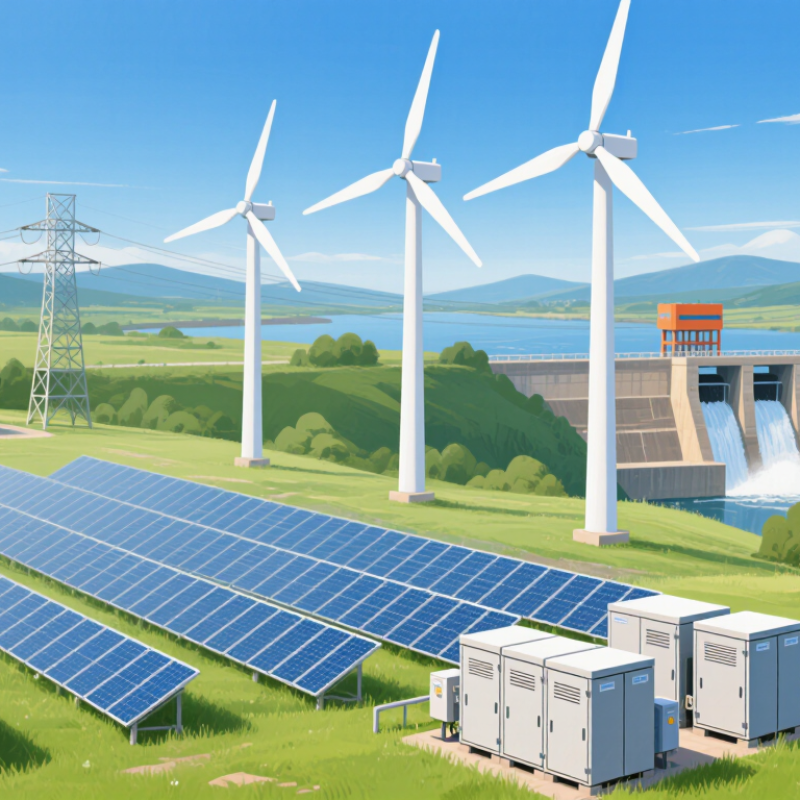
This is where How energy storage improves renewable integration becomes practical, not theoretical. Batteries can absorb surplus solar energy, hold it for several hours, and release it during evening demand. They can respond almost instantly to frequency changes. Pumped-storage hydropower can shift large volumes of electricity across longer periods. Thermal storage can preserve heat for industrial processes or district heating systems.
Paul Denholm, a principal researcher at the U.S. National Renewable Energy Laboratory, has stated, “Energy storage can provide a wide range of services to the power system.” That flexibility helps renewable projects deliver more dependable electricity. It can reduce curtailment, support transmission networks, and limit reliance on fast-ramping fossil-fuel plants.
The benefits are measurable. A battery beside a solar farm may prevent megawatt-hours from being wasted on a bright afternoon. It may then discharge when the local substation reaches its evening limit. Small details matter.
Yet storage is not a perfect solution. Batteries require minerals, careful fire protection, replacement planning, and responsible recycling. Their performance also depends on duration, location, market design, and weather patterns. Overstating their value would weaken public trust. A reliable analysis must examine both the technical promise and the practical limits of energy storage.
Solar and wind generation change with clouds, weather, and daily demand patterns. A passing cloud can reduce solar output within minutes. Wind output can also fall across wide regions simultaneously. These changes complicate frequency control, voltage management, and reserve planning. The International Energy Agency reported that renewables could supply 95% of global electricity demand growth through 2026. Grid flexibility must expand at the same pace.
Energy storage provides a controllable buffer between generation and consumption. Batteries can respond within milliseconds when frequency begins to decline. They can absorb excess midday solar and discharge during the evening peak. Pumped storage can provide longer support when wind conditions remain weak. The International Renewable Energy Agency recorded 473 gigawatts of renewable capacity additions in 2023. That growth shows why flexible resources are becoming essential, not optional.
Storage does not solve every grid problem. Duration, transmission limits, permitting, and material supply still matter. Reality is messier. A battery near a congested substation may reduce local stress, while a distant project may not. Industry planning reports increasingly emphasize location, forecasting, and coordinated operation. The Energy Institute’s Statistical Review of World Energy indicates that wind and solar already represent a significant share of new power growth. Yet planners may still overestimate smooth output. Better weather models, stronger interconnection rules, and carefully placed storage can make renewable power more dependable.
Renewable electricity often arrives at inconvenient times. Solar panels may produce most power at noon, while households demand more after sunset. Wind output can rise overnight, then fall within minutes. Energy storage captures these temporary surpluses instead of allowing clean electricity to be curtailed. Batteries store electricity through chemical reactions, while pumped hydro lifts water into an elevated reservoir. Thermal systems can also retain heat for later industrial use.
The release process requires careful control. Operators discharge stored energy during evening peaks, sudden wind drops, or grid emergencies. Fast batteries can respond within seconds, helping stabilize frequency and reduce stress on transmission lines. Storage can also smooth renewable output, making a solar plant behave more like a predictable power source. However, no system is perfect. Round-trip losses reduce the electricity returned, and repeated cycling gradually weakens battery capacity. The right design depends on duration, weather patterns, safety requirements, and local grid conditions. A two-hour battery may handle a short evening peak, but it cannot reliably cover several windless days. Forecasting remains difficult. An unexpected cloud bank can change charging plans quickly. That uncertainty demands flexible controls, clear operating data, and regular performance checks.
Representative 24-hour operating profile for a 100 MW solar facility and a utility-scale battery. The battery captures 100 MWh during midday solar surplus and releases 53 MWh during evening demand, shifting renewable electricity to periods when it is most valuable.
How to read the chart: Solar output rises during daylight hours, while battery charging absorbs part of the midday generation. After sunset, battery discharge supports demand and reduces reliance on non-renewable generation.
Renewable electricity changes with weather, while demand changes with human routines. Energy storage helps connect these uneven patterns. A battery can respond within milliseconds when a cloud reduces solar output. That fast response supports grid frequency and prevents sudden instability.
Across several hours, storage shifts electricity from sunny midday to the evening peak. Solar panels may produce strongly at noon, when many homes use less power. Stored electricity can then supply cooking, lighting, and cooling after sunset. For wind power, storage can capture excess generation overnight and release it during morning demand.
Longer periods require different solutions. Water reservoirs, thermal systems, and other technologies can preserve energy for days or seasons. They help manage calm weather, extended cloud cover, or unusual demand. However, storage is not a perfect reservoir. Charging losses, equipment degradation, limited capacity, and high project costs affect real performance. Forecasts also remain imperfect.
A reliable plan combines storage with stronger transmission, flexible demand, accurate weather data, and diverse generation. Operators must match each technology to a specific time scale, rather than expecting one system to solve every problem. A battery sized for evening demand may not cover a week of weak wind. That assumption can fail. Careful monitoring and regular performance reviews are essential as conditions change.
Renewable power does not arrive on schedule. Solar output can fall sharply when clouds cover a large region. Wind production may weaken overnight. Energy storage turns this variability into a controllable grid resource. During a sunny afternoon, batteries can absorb excess electricity. At sunset, they can discharge power as household demand rises. This reduces sudden ramping pressure on conventional generators.
Grid reliability depends on more than installed capacity. Storage can respond within milliseconds to frequency changes. It can also provide backup power during short transmission disruptions. However, duration matters. A two-hour battery cannot solve a twelve-hour shortage. Planners need local load profiles, weather records, and realistic charging assumptions. Field projects also reveal uncomfortable details. Heat, degradation, and delayed maintenance can reduce available capacity. I would not treat a modeled capacity figure as a guarantee. Not always.
Storage also supports renewable expansion by shifting electricity toward high-demand periods. It can reduce curtailment when transmission lines are full. In some regions, this may delay expensive grid upgrades. Hybrid renewable projects can share forecasting, controls, and connection equipment. Still, storage is not magic. Safety systems, recycling plans, supply chains, and local permits require careful management. Transparent performance data helps operators compare expected and actual results. A cautious pilot can expose weaknesses before a larger installation begins. The numbers can be wrong.
Renewable integration is becoming a timing problem, not merely a generation problem. Solar output peaks at noon, while household demand often rises after sunset. Storage technologies reshape this mismatch by shifting electricity across hours, locations, and grid services. The International Energy Agency reports that battery storage capacity must expand sixfold, reaching 1,500 GW by 2030 in its net-zero pathway (IEA, Batteries and Secure Energy Transitions, 2024). That figure signals scale. It also exposes pressure.
Lithium-ion systems respond within milliseconds, supporting frequency control and evening ramping. Pumped hydropower remains valuable for long-duration balancing where geography permits. Flow batteries and thermal storage may serve facilities needing repeated, longer discharges. The International Renewable Energy Agency estimates that global electricity storage could reach 1,028 GW by 2030 (IRENA, World Energy Transitions Outlook 2024). Different technologies will likely work together, rather than compete for one role. A battery beside a solar farm can reduce curtailment, but it cannot erase weak transmission. That distinction matters.
Project design must connect storage duration with local weather, demand, and network limits. A four-hour battery may smooth an evening peak, yet several cloudy days require deeper reserves. Storage also loses capacity over time, and replacement impacts are easy to understate. The National Renewable Energy Laboratory notes that duration, cycling, degradation, and system costs strongly influence storage value (NREL, Annual Technology Baseline 2024). Real projects need measured operating data, transparent assumptions, and careful safety planning. Perfect integration is unlikely. Better integration is practical.
Solar panels often produce most power at noon, while households need more after sunset. Storage shifts electricity between those hours.
Batteries store electricity through chemical reactions. Pumped hydro lifts water into an elevated reservoir. Thermal systems retain heat for later use.
Operators may discharge it during evening demand peaks, sudden wind drops, or short grid emergencies. Timing matters greatly.
Fast batteries can respond within seconds or milliseconds. They help correct frequency changes and reduce stress on transmission lines.
No. A two-hour battery may handle a short evening peak, but longer shortages require other resources or longer-duration storage.
Round-trip losses reduce the delivered electricity. Repeated cycling can also weaken battery capacity. The losses are real.
Weather, heat, local demand, safety systems, maintenance, and grid conditions all matter. An unexpected cloud bank can change charging plans quickly.
It can reduce curtailment when transmission lines are full. It cannot remove every limitation, especially during prolonged surpluses.
They need local load profiles, weather records, charging assumptions, and transparent performance data. Modeled capacity is not a guarantee.
A cautious pilot can reveal heat problems, degradation, delayed maintenance, or control weaknesses. The numbers can be wrong.
Renewable energy sources such as wind and solar are clean but naturally variable, creating challenges for power grid stability when generation changes faster than demand. How energy storage improves renewable integration can be understood through its ability to capture surplus electricity when production is high and release it when renewable output falls or consumption rises. This process reduces curtailment, smooths fluctuations, and helps maintain a more reliable balance between supply and demand.
Energy storage can respond across multiple time scales, from rapid frequency regulation and short-term peak support to shifting electricity from daytime solar production into evening hours. By strengthening grid reliability, storage enables power systems to use a larger share of renewable generation without depending as heavily on conventional backup resources. As storage technologies continue to develop, improvements in efficiency, flexibility, and duration will support broader renewable expansion and help create a more resilient, adaptable, and sustainable energy system.

EnerNova Charger