Existing EV charging stations can serve drivers well for years, but growing demand may expose their limits. A site with two older chargers, a crowded parking lot, and a constrained electrical panel needs more than new hardware. It needs a careful upgrade plan. How to upgrade existing charging stations depends on charger condition, available power, network compatibility, and the needs of drivers who use the site.
Start with a practical assessment. Review charger fault records, charging sessions, peak usage, and maintenance costs. Have a qualified electrical professional inspect the panel, wiring, protective equipment, and available capacity. Then compare upgrade options, such as replacing units, adding ports, or improving load management. Check that proposed chargers work with the site’s payment, access, and monitoring systems. Confirm installation requirements with manufacturers and relevant local authorities before work begins.
Downtime matters. A phased installation may keep some chargers available while others are replaced, though the best approach depends on the site. Clear signs and driver updates can reduce confusion during construction. Small details count. Cable reach, lighting, weather exposure, and accessible parking all affect everyday use. And plans change. An initial assessment can miss a future demand spike or an unexpected electrical constraint, so leave room to revisit assumptions. This guide explains the decisions, checks, and trade-offs that make an upgrade safer, more reliable, and easier to maintain.
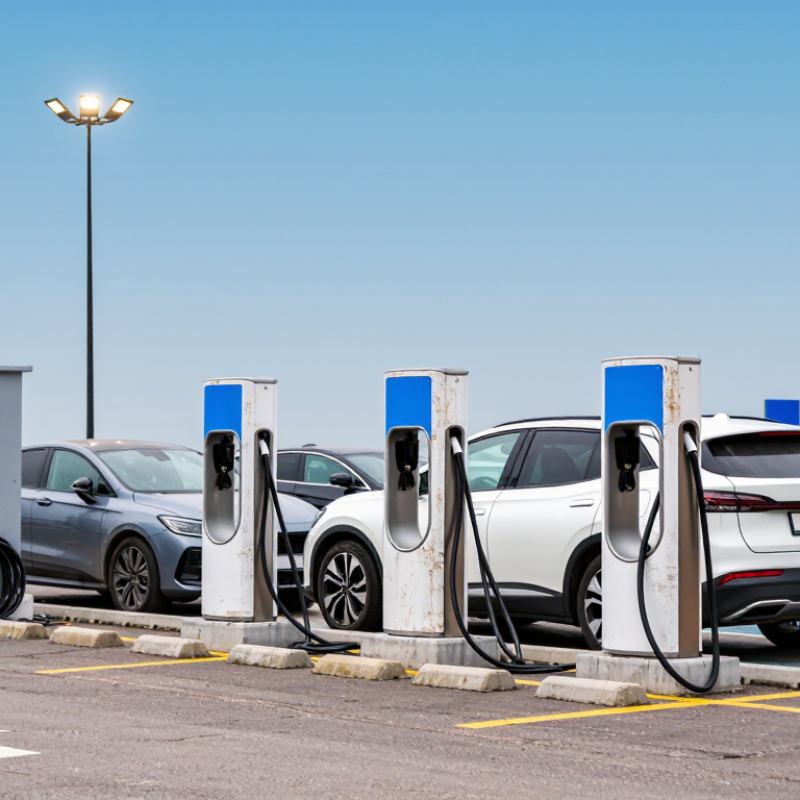
Assess the Existing Charging Station and Site Conditions
Before planning an upgrade, inspect each charger in place, not just the site drawings. Record its rated output, connector condition, enclosure damage, error history, and whether the display remains readable in direct sun. Look for cracked cable jackets, loose holsters, corrosion near terminals, and water marks inside cabinets. Small clues matter. Review maintenance logs and charging data to distinguish a failing unit from a wider power or network problem. An older station may still be sound; replacing it without diagnosis can waste capacity and budget.
Then assess the electrical and physical setting with a qualified electrical professional. Check the service panel’s spare capacity, feeder size, grounding, protective devices, and peak demand when nearby equipment runs. Measure available space around parking bays and note curb height, cable reach, turning paths, lighting, and drainage after rain. Inspect conduit routes and pavement condition; new conductors may require excavation, and a neat plan can still encounter an unexpected utility conflict. Confirm signal strength at the cabinet and leave room for future maintenance access. Be honest about uncertainty. A visual walk-through cannot verify load capacity or hidden cable damage, so document open questions before choosing the upgrade scope.
Define Upgrade Goals, Capacity Needs, and Compliance Requirements
Before replacing hardware, define what “better” means for the site. Is the goal shorter queues, higher uptime, or support for more vehicles? Visit during a busy period and record arrival times, dwell times, and charger use. A Tuesday at noon may reveal different needs than a quiet Sunday. Keep the raw observations. Estimates can be imperfect, even after careful measurement.
Translate demand into capacity. Have qualified electrical professionals review the existing service, panel schedules, conduit routes, and utility capacity. Model simultaneous charging, not just each charger’s rated output. Two fast chargers may strain a service that looks adequate on paper. Consider phased expansion, cable reach, accessible routes, drainage, lighting, and maintenance space. Leave room to revise.
Before procurement, confirm applicable electrical, building, fire-safety, accessibility, and metering requirements with local authorities and the utility. Requirements vary by location and can change. Check whether permits, inspections, communications, or load-management settings affect the design. Document assumptions, test results, and unresolved questions; a tidy spreadsheet does not prove the site can deliver its planned capacity. One detail can be missed. Assign someone to verify requirements at each design milestone.
Select Compatible Chargers, Electrical Equipment, and Software
Upgrading an existing EV charging site starts with matching the new chargers to the equipment already in place. Check connector types, supply voltage, and each unit’s maximum current. Then review the electrical panel, feeder capacity, breakers, grounding, and cable condition. A site may appear to have spare capacity, yet several chargers running together can exceed it. Have a qualified electrical professional verify the load before ordering hardware.
Software matters just as much. Confirm that chargers can communicate with the site’s management platform and support the payment, access, and reporting functions you need. Ask how updates are delivered, what happens during a network outage, and whether existing user records can be transferred securely. Test one charger before replacing a whole row. A small pilot can reveal awkward cable reach or confusing screens—details that look minor on a plan.
Tips: Photograph panel labels and cable routes before work begins. Keep a compatibility checklist for every charger. Leave room for future expansion, but do not assume spare capacity is available. Some upgrades take more coordination than expected. That is worth planning for.
Install and Integrate the Upgraded Charging System
Upgrading existing EV charging stations starts with the site, not the new hardware. Check the service panel, cable routes, network connection, and charger condition before choosing equipment. A load study can show whether the site needs power upgrades or whether chargers can share available capacity. Measure cable reach at parked vehicles; a few extra meters can prevent awkward daily use. Small details matter.
The International Energy Agency’s Global EV Outlook 2024 reports that public charging points grew by 40% worldwide in 2023, while fast chargers grew by 55%. That expansion makes reliable integration increasingly important. Confirm that new chargers communicate with the existing management platform and payment system. Then test network access, user authentication, energy metering, and remote fault alerts. Commission each unit under realistic load, and record its serial number, settings, and test results. Still, the first layout rarely survives contact with real parking habits.
Tips: Label isolated circuits before work begins. Test every connector with a vehicle, not just a screen simulator. Keep one charger available during phased installation, if capacity allows. Review fault logs after the first week; intermittent network failures can hide behind a successful startup.
Test Performance, Verify Safety, and Plan Ongoing Maintenance
An upgraded charger should be tested under realistic load, not judged by a clean screen or successful reboot. Record delivered power, session start times, interruptions, and communication errors across several charging sessions. Compare results with the unit’s rated output and its pre-upgrade records, where available. A single test can miss intermittent faults. Check connector temperature and cable condition after sustained use; unusual heat, cracking, or looseness needs investigation.
Safety checks belong in the same work order. A qualified technician should verify protective grounding, insulation condition, emergency shutoff, and protective-device operation before public use. Use calibrated test equipment and retain dated readings, repair notes, and the technician’s name. Looks can mislead. If a safety result is uncertain, keep the charger out of service until the cause is identified and the unit is retested.
Plan maintenance around usage and exposure, not just the calendar. Busy sites may need more frequent connector inspections, while outdoor units need checks for water ingress, dust, corrosion, and damaged seals. Review fault logs monthly and schedule periodic functional tests; adjust intervals when failures cluster or demand changes. Document spare parts and access instructions, but avoid replacing components just because they look old. Visual judgment is imperfect. Revise the checklist when service records reveal problems it missed.
How to Upgrade Existing EV Charging Stations
Example annual maintenance cadence for an upgraded site
Regular inspections help confirm that chargers remain operational and safe after an upgrade. This example translates a site-level schedule into annual check counts: weekly visual inspections, monthly functional tests, quarterly electrical-protection and software reviews, and annual preventive maintenance. Adjust the schedule to equipment instructions, usage, local requirements, and inspection findings.
FAQS
Check rated output, connector wear, cracked cable jackets, enclosure damage, and error history. Read the display in direct sunlight. Tiny marks can matter.
Compare maintenance logs and charging data with recent faults. An older unit may still be sound; replacing it without diagnosis can waste capacity.
Have a qualified electrical professional check panel capacity, feeder size, grounding, protective devices, and peak demand. Also inspect conduit, drainage, turning paths, cable reach, lighting, and maintenance space.
Track arrivals, dwell times, and charger use during busy periods. Model simultaneous charging, not just each unit’s rated output. Tuesday at noon may tell a different story.
Confirm applicable electrical, building, fire-safety, accessibility, and metering requirements with local authorities and the utility. Requirements vary by location and may change.
Match connector types, supply voltage, maximum current, panel capacity, breakers, grounding, and cable condition. Have a qualified professional verify the load before ordering.
A small pilot can reveal awkward cable reach, confusing screens, or network problems. Test one charger first. Plans miss things.
Confirm platform communication, payment, access, and reporting functions. Ask about updates, outages, and secure transfer of existing user records. Keep photos of panel labels and cable routes.
Conclusion
Upgrading an EV charging station starts with a careful review of the equipment already in place and the site around it. Check the chargers’ condition, electrical capacity, cable routes, network connectivity, accessibility, and space for future expansion. Then define what the upgrade needs to achieve, such as supporting more vehicles, faster charging, or improved monitoring, while accounting for applicable safety and compliance requirements.
A successful plan for how to upgrade existing charging stations also depends on choosing chargers, electrical components, and software that work together with the existing infrastructure. Installation should be coordinated to limit disruption, followed by integration with payment, access, and monitoring functions where needed. Before reopening the station, test charging performance, communications, protective systems, and user workflows. Document the results and establish a maintenance schedule that includes inspections, software updates, and a clear process for addressing faults.

 EnerNova Charger