How to Integrate EV Chargers into Commercial Buildings

Time:2026-10-31 Author:Mason
0%

How to integrate EV chargers into commercial buildings is not just an equipment question. It is a planning decision involving electrical capacity, parking patterns, tenant needs, and future growth. Daniel Sperling, founding director of the Institute of Transportation Studies at the University of California, Davis, captures the wider shift: “The future of transportation is electric, shared, and automated.” For building owners, that future starts in the electrical room.

A practical plan begins with a site assessment. Check the service capacity, panel space, cable routes, and locations where vehicles actually park. A charger beside a visitor entrance serves a different purpose than one in an employee garage. Consider who will use each port, when demand peaks, and how costs will be managed. A load-management system may help avoid unnecessary electrical upgrades, but it cannot replace qualified engineering review. Small details matter: a long cable run, a locked gate, or poor signage can make a working charger inconvenient.

The best installation also leaves room to adapt. Conduit and spare electrical capacity can make later expansion less disruptive. Coordinate chargers with building operations, access controls, maintenance plans, and energy systems. Requirements vary by location, so confirm applicable codes and utility conditions with qualified professionals. And be honest about uncertainty: projected demand may be wrong. That is worth revisiting as use grows. This guide explores the decisions that turn charging hardware into a useful part of a commercial building.
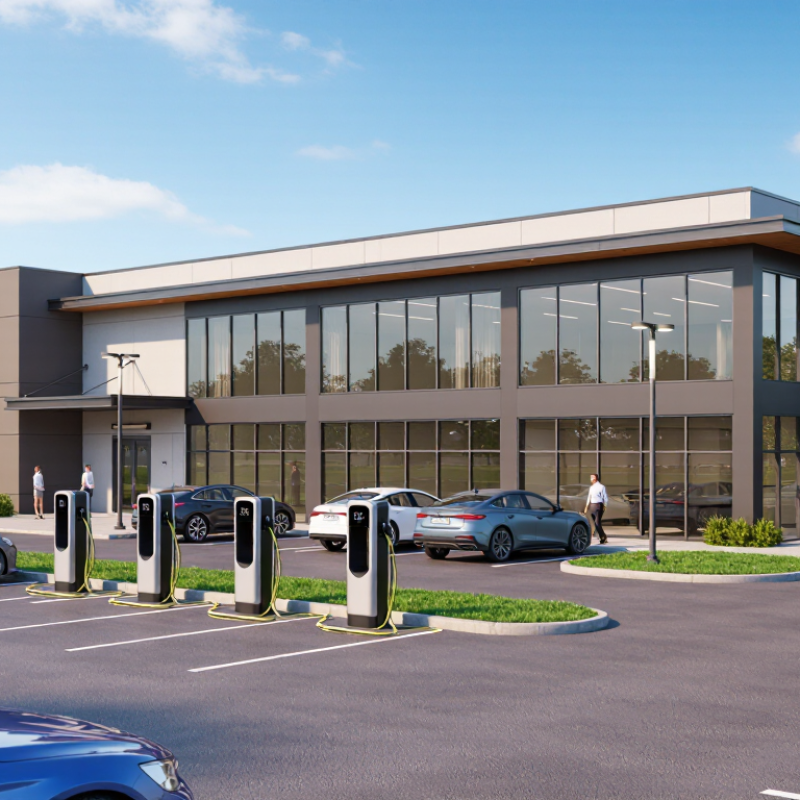
How to Integrate EV Chargers into Commercial Buildings

Assess Building Needs and Anticipated Charging Demand

A charger plan should start with the building, not a target charger count. Review electrical drawings, recent utility bills, and interval-meter data where available. Check the main service, spare panel capacity, and peak demand from HVAC, elevators, kitchens, and lighting. A panel that looks roomy may still have little usable capacity on a hot afternoon. Have a qualified electrical professional verify assumptions before equipment is specified. Small details matter. Note parking layout, accessible routes, cable reach, weather exposure, and distance to electrical rooms. These can affect installation cost and daily usability.

Estimate who will charge, when, and for how long. Separate employees who park all day from visitors making short stops or fleet vehicles returning together. Use occupancy counts, shift schedules, tenant surveys, and travel records rather than guesswork alone. A short pilot can reveal uneven demand, but early results may not represent a full year. Keep that uncertainty visible. Model ordinary and busy days, then compare likely charging needs with available electrical capacity. Consider reserving panel space and installing conduit for future expansion, even if the first phase includes only a few chargers. The trade-off is real: building ahead can add upfront cost, while delaying preparation may make later work disruptive.

Evaluate Electrical Capacity and Site Constraints

Before selecting charger quantities, determine what the building can actually support. Review utility bills, main-switchboard ratings, transformer capacity, and interval-load data—not just equipment labels. A 400-amp panel may seem generous, yet HVAC, elevators, and kitchen equipment can use much of its spare capacity during afternoon peaks. Have a qualified electrical engineer verify demand, feeder condition, fault ratings, and available circuit space. Ask the utility about required upgrades, coordination, and likely lead times. These details can reshape a project budget.

Walk the parking area and trace possible cable routes from the electrical room to each space. Measure distances, note walls and curbs, and check for drainage, snow storage, accessible routes, and vehicle turning space. Look for existing conduit, but confirm its size and condition before counting on it. Small details matter. A neat drawing can hide a crowded ceiling or a long trench. I would avoid assuming every stall needs a dedicated full-power circuit; managed charging may reduce peak demand, depending on schedules and usage. Still, projections are imperfect. Compare them with actual building loads, then revisit the design before construction.

Select Charger Types and System Architecture

Choosing charger types starts with how long vehicles stay parked. Offices, apartments, and hotels often suit AC chargers because cars remain for several hours. Retail sites or fleet depots may need DC fast chargers when vehicles must return to service quickly. Fast charging is not automatically better. It can require substantial electrical capacity and may add cost without improving a site where cars sit all day. Check typical parking duration, daily vehicle turnover, and likely charging demand before choosing.

System architecture determines how chargers share power. A building with limited spare capacity can use networked chargers and dynamic load management. The system adjusts charging output as building demand changes, instead of allowing every charger to draw maximum power at once. For example, a midday office peak might reduce charging briefly, then restore output when other loads fall. Not always seamless. Review the electrical service, panel space, cable routes, and utility constraints with qualified professionals. Include metering and communications in the design, and leave room in conduits or distribution equipment for future units. A tidy drawing can still miss a column, a long cable run, or a panel that is already near capacity. Test the control strategy against real occupancy patterns before fixing charger quantities.

Plan Installation, Permits, Safety, and Accessibility

Commercial EV charging starts with a site walk, not a charger count. Map parking, electrical rooms, accessible routes, and likely cable paths. The International Energy Agency’s Global EV Outlook 2024 reports that public charging points grew by more than 40% worldwide in 2023. That growth signals demand, but it does not determine a building’s capacity. Have a qualified electrical professional assess panel loads, service capacity, and future expansion. Ask the local building department and utility about permits, inspections, and connection requirements before ordering equipment. Small details matter. A tidy drawing can still miss a blocked walkway or a costly trench.

During installation, keep equipment clear of vehicle impact zones and protect cables from traffic and sharp edges. Use suitable electrical protection, grounding, and weather-rated enclosures for the site; verify requirements against applicable electrical codes and local inspection guidance. For accessibility, provide a continuous, unobstructed route from parking and check clear floor space, controls, and cable reach. The U.S. Access Board’s Design Recommendations for Accessible Electric Vehicle Charging Stations discusses these design elements. A cable that barely reaches is not a good plan. Recheck layouts with the people who will use them; early assumptions can be wrong. Keep permit records, inspection results, and maintenance checks accessible to building staff.

How to Integrate EV Chargers into Commercial Buildings

Representative EV charger power levels for planning a commercial installation.

Higher-power chargers can require more electrical capacity and may affect service upgrades, permitting, and installation costs. Confirm available building power, local permit requirements, electrical safety provisions, and accessible routes and spaces before selecting equipment. Values shown are representative; actual charging power varies by charger, vehicle, and site conditions.

Integrate Charger Management, Billing, and Maintenance

Integrating EV chargers into a commercial building takes more than installing equipment in a parking garage. Property teams need a clear way to see which ports are available, charging, or offline. A management dashboard can help staff spot faults and balance charging demand across the building. Set alerts for repeated failures and review usage during busy hours. Small details matter. A charger beside a loading bay may be blocked each morning.

Billing should match how people use the site. Tenants, visitors, and fleet drivers may need separate access rules and rate structures. Show the price before a session begins, and make receipts easy to find. For example, a monthly report can list energy used, session time, and total cost by user group. Keep billing records consistent with meter readings. One assumption worth questioning: a flat rate may seem simple, but it can obscure peak demand and discourage short visits.

Maintenance plans need named owners and realistic response times. Inspect cables and connectors for wear, check equipment logs, and record each repair. A visible checklist near the electrical room can help staff report problems promptly. Keep common replacement parts available when practical. No plan catches everything. Review recurring faults with the electrician and adjust inspection intervals when the evidence supports it. A charger that works today may still need attention next week.

FAQS

How should a site choose between AC and DC chargers?

Consider how long vehicles usually stay parked. Offices, apartments, and hotels often suit AC charging. Retail sites or fleet depots may need faster DC charging. Faster is not always better.

What information should be checked before choosing charger quantities?

Review parking duration, daily vehicle turnover, and expected charging demand. Check the electrical service, panel space, cable routes, and utility constraints with qualified professionals. A neat plan can still miss a long cable run.

How can chargers work with limited building capacity?

Networked chargers with dynamic load management can adjust output as building demand changes. Charging may slow during a midday office peak, then increase when other loads fall. Test the strategy against real occupancy.

What should a charger management system show staff?

It should show which ports are available, charging, or offline. Alerts can help staff find repeated faults. A charger beside a loading bay may be blocked each morning.

How should charging prices and access be managed?

Set separate access rules or rates for tenants, visitors, and fleet drivers when needed. Show the price before charging begins, and make receipts easy to find. Simple pricing can still hide peak demand.

What should billing reports include?

Reports can list energy used, session time, and total cost by user group. Keep billing records consistent with meter readings. That detail is easy to overlook.

What should a maintenance plan cover?

Assign clear owners and realistic response times. Inspect cables and connectors, review equipment logs, and record repairs. A checklist near the electrical room can help staff report issues promptly.

How can a site prepare for future chargers?

Leave room in conduits or distribution equipment for additional units. Keep common replacement parts available when practical. Plans miss things, so review recurring faults and adjust inspections when evidence supports it.

Conclusion

How to integrate EV chargers into commercial buildings begins with understanding how the property is used and how many drivers are likely to charge, including when they will need access. This demand assessment helps determine the number and location of charging points. Next, review the building’s electrical capacity, available parking, cable routes, and other site constraints to identify upgrades or design adjustments needed before installation.

Choose charger types and a system architecture that suit expected usage and future growth. Plan installation carefully, accounting for permits, electrical safety, accessible parking and routes, and clear signage. After installation, use a management system to monitor chargers, manage user access, and track energy consumption. Establish a transparent billing approach and a regular maintenance plan so equipment remains reliable. Coordinating these decisions early can help create a practical charging service that fits the building, supports drivers, and can adapt as demand changes.

Mason

Mason

Mason is a seasoned marketing professional with a deep expertise in the company's offerings and a passion for driving brand awareness. With a strong background in digital marketing strategies, he has an innate ability to connect with diverse audiences and effectively communicate product benefits.......