Why is Load Balancing Essential in Energy Storage Systems?

Time:2026-03-20 Author:Aria
0%

Load balancing is crucial in energy storage systems. It ensures optimal performance and longevity of storage units. As renewable energy integration increases, the demand for efficient load management grows. According to a recent report by the International Energy Agency, energy storage capacity is expected to reach 600 GWh by 2040. This surge necessitates effective load balancing to prevent system overloads and inefficiencies.

What is load balancing in energy storage systems? It is the practice of distributing energy storage loads evenly across multiple units. This helps avoid wear and tear on individual batteries or storage devices. A study by Navigant Research highlights that improper load distribution can reduce battery lifespan by up to 30%. Achieving balance is not just about efficiency; it is also about reliability and safety.

While advancements in technology are significant, challenges remain. Many facilities struggle with real-time data analytics for effective load balancing. Inconsistent energy demand and fluctuating renewable sources complicate matters. Understanding and addressing these issues is vital for the future of energy storage. The path forward requires ongoing reflection and adaptation.
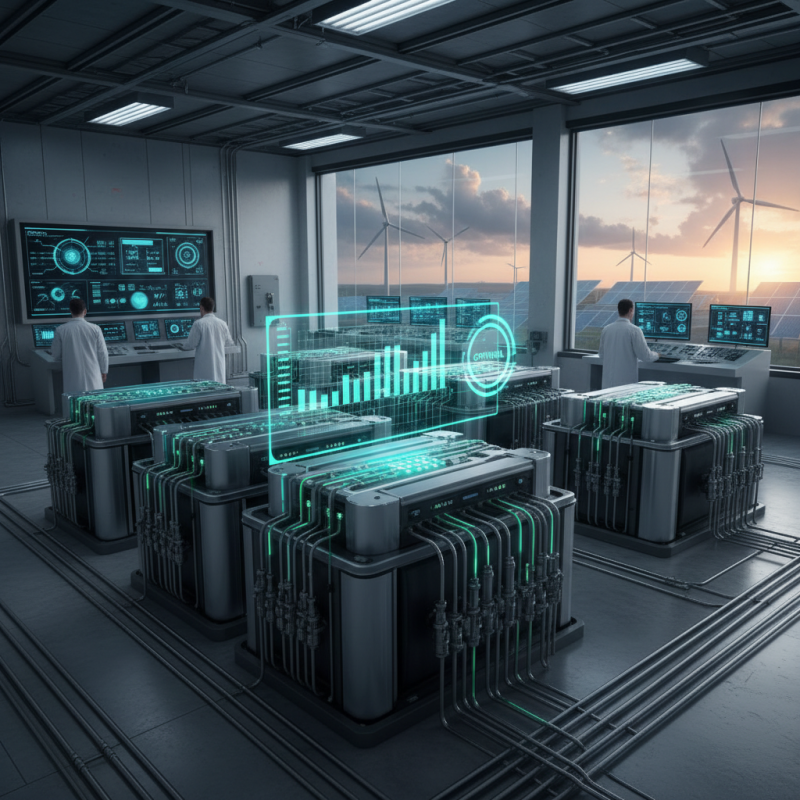
Why is Load Balancing Essential in Energy Storage Systems?

The Concept of Load Balancing in Energy Storage Systems

Load balancing is a critical concept in energy storage systems. It helps distribute energy efficiently across different storage components. This ensures that no single storage unit is overburdened. Such a balance extends the lifespan of the entire system. Uneven loads can cause certain units to fail, leading to costly downtimes.


Effective load balancing can also enhance performance. When energy is distributed properly, the system can respond better to fluctuations in demand. For instance, during peak hours, a balanced system can supply power more reliably. This reliability is vital for both residential and commercial users.


Tips: Regularly monitor your energy storage system. Identify any imbalances early. Use analytics tools to help track usage patterns. Awareness can lead to timely adjustments, preventing issues.


Balancing loads is not always straightforward. Different factors affect how energy is stored and used. Seasonal changes, usage patterns, and even temperature can play a role. It's essential to adapt continuously. Working with real-time data helps maintain balance effectively. Keeping an eye on emerging trends is important for long-term success.

Key Roles of Load Balancing in Enhancing System Reliability

Load balancing plays a crucial role in enhancing the reliability of energy storage systems. By evenly distributing the energy load, it ensures no single component is overwhelmed. This balance helps prevent premature wear and tear on batteries. For example, when one battery is overused, it can fail, compromising the entire system. Maintaining an even load can extend the lifespan of the components.

Effective load balancing also improves response times during peak demand. Systems that anticipate high energy use can redistribute power swiftly. This capability is vital, especially during emergencies or unexpected outages. Users may not realize how quickly energy demands can shift. A balanced system can respond better, maintaining stability in these situations.

However, achieving perfect load balancing isn’t always straightforward. Systems may encounter unexpected fluctuations or failures. Regular monitoring and adjustment are necessary but can be resource-intensive. This complexity highlights the need for ongoing innovation in energy management. As technology evolves, so do the strategies for handling these challenges. Ensuring reliability in energy storage necessitates a commitment to continuous improvement and adaptation.

Impact of Load Balancing on Energy Efficiency and Cost Reduction

Load balancing is a key strategy in energy storage systems. It optimizes energy distribution, enhancing efficiency and cutting costs. When energy loads are managed effectively, resources are used smartly. This leads to reduced waste. Equipment operates under ideal conditions.

Tips: Monitor your energy usage patterns. Understand when your demand peaks. This will help you balance the load efficiently.

An unbalanced load can cause problems. Systems may overheat or underperform. It might lead to higher costs and energy losses. Adjustments should be made based on real-time data. This approach ensures an agile and responsive system.

Tips: Invest in smart monitoring tools. They provide insights that help you fine-tune your load management. Remember, small changes can lead to significant savings.

Impact of Load Balancing on Energy Efficiency and Cost Reduction in Energy Storage Systems

Technological Approaches to Implement Load Balancing

Load balancing is crucial in energy storage systems, ensuring efficient energy distribution and maximizing performance. Various technological approaches exist to implement load balancing effectively. One prevalent method involves smart grid technologies. These systems enable real-time monitoring and control. According to a recent report by the International Energy Agency, energy storage capacity is expected to grow by 20% annually through 2025. This growth necessitates efficient load management.

Another technology making waves is artificial intelligence. AI algorithms can predict load demands. They analyze historical data to optimize energy dispatch. A study by McKinsey indicates that implementing AI in energy storage systems can enhance efficiency by up to 30%. However, this approach isn't without challenges. The accuracy of predictions can vary, causing energy mismatches. Moreover, the integration of AI requires a robust data infrastructure, which some systems lack.

Deploying these technologies isn't straightforward. The complexity of integration often leads to operational inefficiencies. Some systems may suffer from slow response times, impacting overall performance. Regular assessments are essential. They help in identifying issues and ensuring systems adapt to changing energy demands efficiently. Exploring new strategies becomes imperative to overcome these hurdles.

Challenges and Solutions in Load Balancing for Energy Storage

Load balancing plays a crucial role in energy storage systems. It ensures that energy is distributed efficiently and evenly. However, achieving effective load balancing comes with its own set of challenges. One prominent issue is the variability of energy generation from renewable sources. For example, solar power output can vary drastically throughout the day. This inconsistency can lead to overloading or underutilization of energy storage systems.

Another challenge lies in the integration of different storage technologies. Each system has unique characteristics. Some are better suited for short bursts of energy, while others are ideal for long-term storage. Misalignment in these technologies can lead to inefficiencies. Additionally, real-time monitoring is necessary for optimal performance. Yet, the complexity of data management may hinder timely decision-making.

Solutions to these challenges include advanced algorithms for energy distribution. These algorithms can predict energy needs based on historical data. Regular maintenance and upgrades to storage systems can also mitigate issues. However, implementation is not always straightforward. These solutions require upfront investment and continuous refinement to adapt to changing energy landscapes. As we move forward, ongoing research and development are essential for smoother operation in load balancing for energy storage systems.

Why is Load Balancing Essential in Energy Storage Systems? - Challenges and Solutions in Load Balancing for Energy Storage

Parameter Description Challenges Solutions
Capacity Management Balancing the energy storage capacity according to demand. Forecasting energy demand accurately. Implementing advanced analytics and machine learning.
State of Charge (SoC) Management Ensuring efficient use of available energy based on SoC. Inaccurate SoC estimations. Utilizing better sensing technologies and algorithms.
Charge/Discharge Cycles Managing the charge/discharge rates to extend battery life. Overcharging or deep discharging can damage batteries. Employing smart controllers to regulate cycles.
Grid Integration Facilitating interaction between the storage system and the grid. Variability in grid demand and generation. Developing dynamic load balancing algorithms.
Efficiency Optimization Maximizing energy output and minimizing losses. Low round-trip efficiency. Investing in high-quality battery technologies.

FAQS

: What is load balancing in energy storage systems?

: Load balancing distributes energy evenly across storage components, preventing overburdening and extending system lifespan.

Why is load balancing important?

It enhances performance and reliability by ensuring no single unit fails during peak demand or power fluctuations.

How can I monitor load balancing?

Regular monitoring, using analytics tools, helps identify imbalances early. Awareness leads to timely adjustments.

What challenges can affect load balancing?

Variability in energy generation, such as from renewable sources, and the integration of different storage technologies.

How can I improve load balancing?

Using advanced algorithms can predict energy needs. Regular maintenance also helps in optimizing performance.

Are there downsides to managing load balancing?

Continuous adjustments can be resource-intensive. Real-time data management may complicate timely decision-making.

Can load balancing extend the life of storage components?

Yes, maintaining even loads prevents premature wear, thus extending the lifespan of batteries and other components.

What factors influence load balancing?

Seasonal changes, usage patterns, and temperature variations all play significant roles in energy storage capacity.

Why is ongoing innovation necessary in load balancing?

Energy management is complex; continuous improvement is vital to adapt to evolving technology and changing energy demands.

Is achieving perfect load balancing possible?

Not always. Unexpected fluctuations can disrupt balance, highlighting challenges in maintaining efficiency over time.

Conclusion

Load balancing in energy storage systems refers to the distribution of energy demand and supply across different storage units, ensuring that no single unit is overwhelmed while others remain underutilized. This concept is crucial for enhancing system reliability, as balanced loads prevent equipment failure and reduce downtime. Load balancing also significantly impacts energy efficiency and cost reduction by optimizing energy usage and minimizing waste, leading to more sustainable operations.

Implementing effective load balancing involves various technological approaches, including advanced algorithms and smart software solutions that monitor and manage energy flows in real time. However, challenges such as fluctuating energy demands and integration with renewable sources remain. Addressing these issues through innovative strategies and solutions is vital for maximizing the benefits of load balancing in energy storage systems, ultimately contributing to a more reliable and efficient energy infrastructure.

Aria

Aria

Aria is a dedicated marketing professional with a deep passion for innovative strategies and a keen understanding of our company's product offerings. With a wealth of experience in the industry, Aria excels at crafting engaging content that highlights the unique features and benefits of our......