How Off Grid Battery Backups Work for Power Independence?

Time:2026-05-13 Author:Amelia
0%

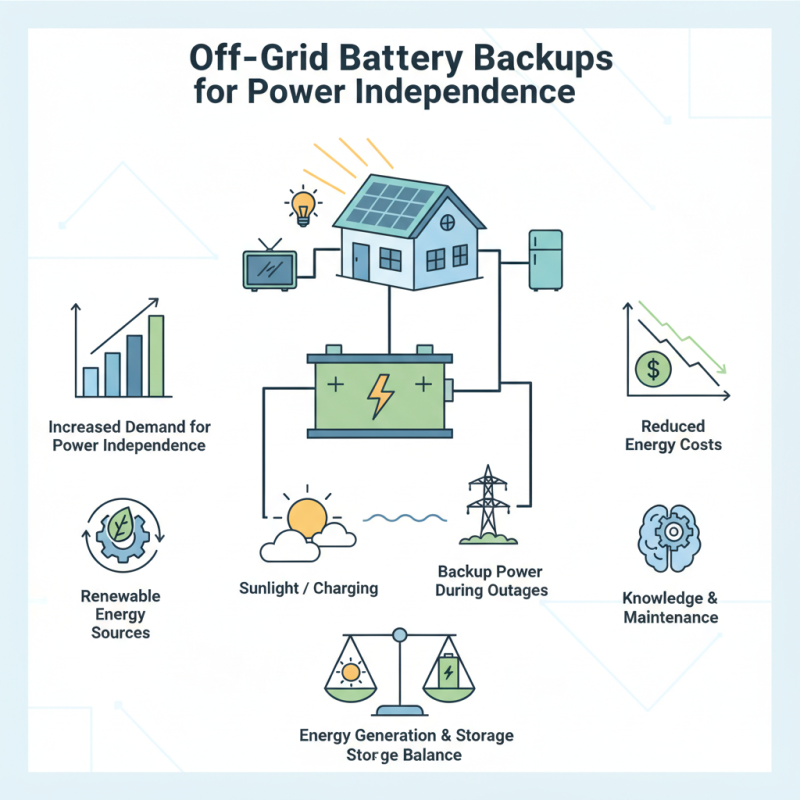
In recent years, the demand for power independence has steadily increased. A growing number of homeowners are considering renewable energy sources. According to a report from the Solar Energy Industries Association, residential solar panel installations have surged by over 20% annually. This trend reflects a shift toward sustainable living. However, the consistent power supply still poses a challenge.

How off-grid battery backups work is crucial for achieving reliable energy independence. These systems store energy generated by solar panels for later use. They allow homeowners to access power even during outages or low sunlight periods. A study by the National Renewable Energy Laboratory indicates that effective battery backups can reduce energy costs by up to 60%.

Nonetheless, off-grid systems are not without their complications. Initial setup costs can be high, and maintenance requires a certain level of knowledge. Users must also consider the risks associated with battery life and performance variability. Ensuring the right balance between energy generation and storage is vital. A clear understanding of how off-grid battery backups work can help individuals make informed decisions about their power needs.
How Off Grid Battery Backups Work for Power Independence?

Understanding Off-Grid Systems: Definition and Importance

Off-grid systems are essential for those seeking power independence. They operate independently of the main electrical grid, allowing users to harness renewable energy. Solar panels and wind turbines commonly generate power in these systems. Battery backups store energy for use when generation is low. This setup is vital for remote locations or in emergencies.

The importance of off-grid systems lies in their resilience. They provide energy security when traditional power sources fail. However, these systems require careful planning and maintenance. Users must assess energy needs accurately. Miscalculating demand can lead to inadequate power supply, affecting daily life. Moreover, battery technology varies, and not all systems perform equally.

Choosing the right components can be challenging. Knowledge about energy storage, inverter types, and system integration is crucial. However, even experienced users may encounter issues. Regular monitoring and troubleshooting can prevent outages. Off-grid living is rewarding but demands effort and ongoing reflection.

Components of a Battery Backup System for Off-Grid Energy

Off-grid battery backup systems offer energy independence, crucial for remote living. These systems consist of several key components. The batteries serve as the heart, storing energy from solar panels or wind turbines. They come in various types, such as lithium-ion and lead-acid. Each type has unique pros and cons, affecting efficiency and lifespan.

Charge controllers regulate energy flow to batteries. They prevent overcharging and help maintain optimal battery health. In addition, inverters convert stored DC energy into AC power, suitable for home appliances. This conversion is vital for daily use but adds complexity. System monitoring tools track energy levels and performance. Without proper tracking, users may face unexpected energy shortages.

Installation of an off-grid battery backup system can be daunting. Understanding technical specifics is essential for effectiveness. Most importantly, regular maintenance is necessary to ensure longevity. Ignoring these elements may lead to failure during critical times. Thus, balancing components and proper care is crucial for achieving true power independence.

How Battery Types Impact Off-Grid Power Independence

Choosing the right battery type is crucial for off-grid power independence. Lead-acid batteries are an option, providing a reliable and cost-effective solution. However, they require regular maintenance. Neglecting this can lead to reduced performance and lifespan. Lithium-ion batteries offer higher energy density and longer life. Their upfront cost might deter some, but they often pay off in the long run due to fewer replacements.

Another consideration is the depth of discharge (DoD). Lead-acid batteries have a lower DoD, while lithium-ion types can be discharged more deeply, providing more usable energy. This means lithium-ion batteries can serve off-grid needs more effectively. Still, the choice hinges on individual energy needs and available resources. Balancing cost, performance, and maintenance is necessary for making an informed decision.

When planning your off-grid system, think about your energy consumption. Each battery type has unique strengths and weaknesses. Understanding these can guide you in creating a sustainable energy solution. Avoiding one-size-fits-all approaches ensures a tailored system that meets your specific requirements. Energy independence requires careful consideration and ongoing evaluation of your choices.

Calculating Energy Needs: Sizing Your Off-Grid Battery Backup

Sizing your off-grid battery backup starts with understanding your energy needs. Calculate your daily power consumption. List all devices that require electricity. Include everything from lights to appliances. Each item has a specific wattage requirement. Sum these values to get your total watt-hours needed per day.

Next, determine how long you want your backup to last. Consider days with low sunlight or a high demand for power. This will affect the size of your battery system. Some people underestimate their needs or forget to include essential items. It is crucial to consider seasonal variations as well. A properly sized battery ensures you’re never left in the dark.

After gathering this data, select a battery type that suits your needs. Options include lead-acid, lithium-ion, and others. Each has its pros and cons regarding lifespan, cost, and efficiency. Importantly, a common mistake is choosing a battery that’s too small. Insufficient storage can lead to frustration or even dangerous situations. Evaluate your calculations regularly to ensure they remain valid. Patterns in your energy use can change over time. Keep your system flexible to adapt to your lifestyle.

Performance Metrics: Efficiency and Lifespan of Off-Grid Batteries

Off-grid battery backup systems are crucial for achieving power independence. Understanding their performance metrics, particularly efficiency and lifespan, is essential for users. Efficiency is the ratio of energy output to input. Higher efficiency means less wasted energy. Most off-grid batteries have an efficiency rate between 80% and 90%. This percentage can vary based on battery type. Lead-acid batteries tend to have lower efficiency compared to lithium-ion batteries.

Lifespan is another key factor. Off-grid batteries should ideally last for several years. Battery life is affected by usage, charging cycles, and environmental conditions. For instance, extreme temperatures can shorten battery life. Regular monitoring is vital. Users need to consider these aspects for effective system design. Even with proper care, batteries may need replacement sooner than expected.

In practice, achieving optimal efficiency may require trial and error. Some users report that initial performance does not match expectations. This requires careful assessment and adjustment of the system. Keeping track of usage patterns helps make informed decisions. Understanding performance metrics leads to better investment in off-grid energy solutions.

FAQS

: What is an off-grid system?

: An off-grid system operates independently of the main electrical grid. It harnesses renewable energy sources for power.

Why are off-grid systems important?

They provide energy resilience, especially in emergencies. Users gain energy security during traditional power outages.

How do I calculate my energy needs for an off-grid system?

Start by listing all devices that use power. Sum their wattage to determine daily power consumption.

What types of batteries are used in off-grid systems?

Common types include lithium-ion and lead-acid batteries. Each has its own efficiency and lifespan characteristics.

What role does a charge controller play in a battery backup system?

A charge controller regulates energy flow to the batteries. It prevents overcharging and maintains battery health.

Why is proper maintenance necessary for off-grid systems?

Regular maintenance ensures system longevity. Neglecting care can lead to failures when you need power most.

What are some challenges in choosing off-grid components?

Users must understand energy storage and inverter types. Even experienced users may face technical issues.

How often should I reevaluate my energy calculations?

It's essential to review your calculations regularly. Energy usage patterns can change, affecting your needs.

Can underestimating energy needs cause problems?

Yes, miscalculating can result in inadequate power supply. This can disrupt daily life or create hazardous situations.

Is off-grid living easy to maintain?

Off-grid living is rewarding but requires effort. Continuous reflection and vigilance on energy management are necessary.

Conclusion

Off-grid battery backups play a crucial role in ensuring power independence for those seeking to live autonomously from the grid. Understanding off-grid systems begins with recognizing their definition and importance, as they allow individuals to harness renewable energy sources. The key components of a battery backup system include batteries, inverters, and charge controllers, all of which work together to store energy efficiently.

How off-grid battery backups work is significantly influenced by the types of batteries used, as each has unique characteristics impacting performance and suitability for specific energy needs. Calculating energy needs is essential in sizing your off-grid battery backup to ensure adequate storage and power supply. Additionally, evaluating performance metrics such as efficiency and lifespan of off-grid batteries is vital for long-term sustainability and reliability in energy independence.

Amelia

Amelia

Amelia is a seasoned marketing professional with a wealth of expertise in our company’s core offerings. With an unwavering passion for driving growth and innovation, she plays a pivotal role in shaping our marketing strategies and enhancing brand visibility. A key aspect of her responsibilities......