Electric vehicle (EV) charging installations are on the rise, yet many fail to meet expectations. According to recent industry reports, nearly 30% of EV charger installations do not function as intended. This failure often stems from a lack of expertise and thorough planning, raising the question: What are common mistakes in EV charger installation?
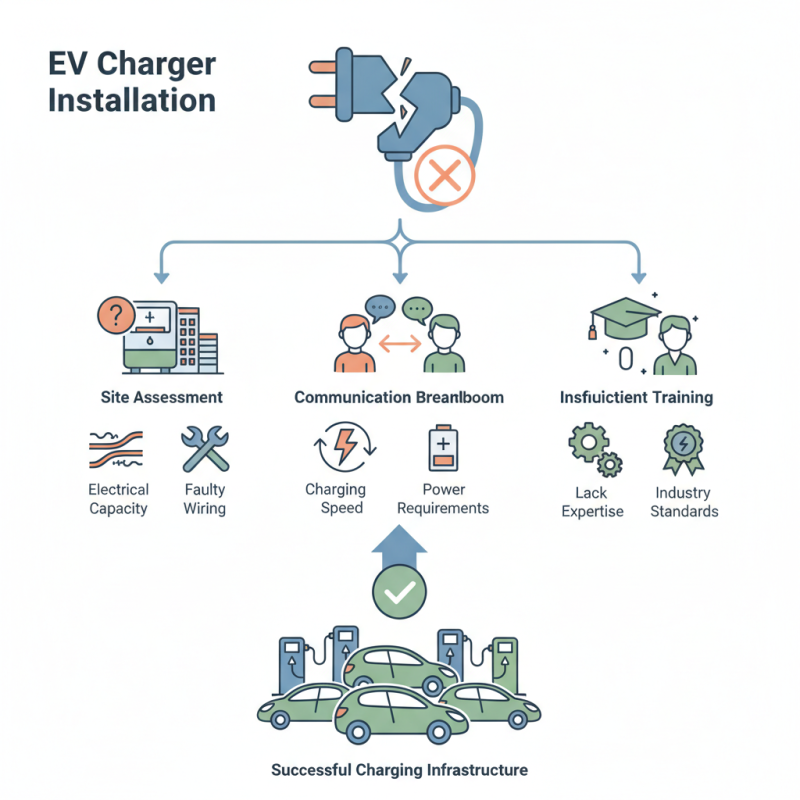
One significant issue is site assessment. Installers frequently overlook essential factors like electrical capacity and location suitability. Faulty wiring can lead to malfunctions, increasing maintenance costs. Additionally, many installations fail due to inadequate communication between installers and property owners. This disconnect can result in misunderstandings about the desired charging speed or power requirements.
Moreover, insufficient training among installation personnel contributes to the problem. A survey revealed that over 40% of installers lack formal training in EV charger deployments. This gap highlights the need for better education and industry standards. As the demand for EVs grows, addressing these common pitfalls is crucial for successful charging infrastructure.
Common Reasons for EV Charger Installation Failures
When it comes to electric vehicle (EV) charger installations, various factors contribute to their failure. One major issue is the lack of adequate site assessment. Every installation site has unique characteristics. Neglecting to evaluate the electrical capacity, existing infrastructure, and local regulations can lead to unsuitable or unsafe installations. In many cases, the installation team fails to communicate effectively with the property owners. This oversight can lead to misunderstandings about power requirements and location preferences.
Another common reason for installation failures is poor planning. Some installations are rushed due to tight deadlines or budget constraints. This hurried approach often results in overlooking critical details like proper cable lengths or accessibility for users. Insufficient training of installation personnel can also play a role. If the team lacks expertise, they may not follow proper procedures. This lack of knowledge can result in errors that compromise safety and functionality.
The failure to secure necessary permits or inspections is another significant hurdle. Without these legal approvals, installations may face delays, or worse, be deemed illegal. Homeowners and businesses might underestimate the importance of this step. A simple oversight like this can derail an otherwise well-planned installation. All these elements highlight the complexity of installing EV chargers and underscore the necessity for thorough preparation.
Common Reasons for EV Charger Installation Failures
The following chart illustrates the common reasons for failures in electric vehicle (EV) charger installations based on industry insights. Understanding these factors can help in improving the overall success rate of installations.
Lack of Site Assessment and Planning Prior to Installation
The growing demand for electric vehicles (EVs) has accelerated the need for more charging stations. However, many EV charger installations fail due to insufficient site assessment and planning. A recent industry report indicates that over 30% of installations are abandoned or require costly retrofitting because of this oversight.
In many cases, installers overlook crucial factors such as location, electrical capacity, and user accessibility. Without a proper assessment, chargers may be placed in hard-to-reach areas, leading to low utilization. Additionally, 40% of site configurations fail to account for future scalability. This lack of foresight can hinder a business’s growth potential in the rapidly evolving EV market.
Tips: Before installation, conduct a comprehensive site assessment. Consider user demographics and foot traffic. Consult with electrical engineers to evaluate the infrastructure’s readiness. Engage with local authorities early on to understand regulatory requirements and available incentives. Planning upfront can save time, resources, and frustration.
Inadequate Training and Certification of Installation Technicians
Installing electric vehicle (EV) chargers requires skilled technicians. Many installations fail due to inadequate training. Technicians often lack the specific knowledge to handle high-voltage systems. This can lead to improper setups, posing safety risks to users.
Training programs for EV charger installation should be robust. However, many current programs do not cover all necessary aspects. Technicians may be familiar with basic electrical work but lack expertise in EV systems. This gap can result in faulty installations.
Certification processes need to be strengthened. Without proper credentials, technicians may overlook essential safety measures. Inadequate training can also lead to inefficiencies during installations. As the EV market grows, ensuring well-trained professionals is critical to avoid costly mistakes. Addressing these gaps is essential for future success and safety.
Insufficient Electrical Infrastructure for EV Charging Stations
When considering the installation of EV chargers, inadequate electrical infrastructure often derails projects. Many locations simply lack the necessary capacity to support high-power charging stations. This hurdle not only delays deployment but also increases costs significantly. Without proper assessments, installations might face unexpected challenges.
One common issue is outdated electrical systems. Older buildings may not handle the additional load from EV chargers. Upgrading these systems can be expensive and time-consuming. Planning is essential to understand the existing infrastructure's limitations. Engaging an electrical engineer early in the process can provide insights that prevent pitfalls.
Tips: Always conduct a thorough site evaluation before installation. Understanding the local grid capacity is crucial. Work with experienced professionals to ensure your infrastructure can support EV demands. Additionally, consider future scalability, as EV adoption continues to rise. Avoid the mistake of underestimating this essential planning phase.
Failure to Comply with Local Regulations and Codes
When installing EV chargers, compliance with local regulations is crucial. Many projects fail due to oversight in this area. Local codes often dictate installation procedures, safety measures, and even equipment standards. Failing to adhere to these can lead to costly delays and penalties.
For instance, some installations overlook the need for permits. The lack of a permit can halt work, forcing contractors to start over. Additionally, understanding local electrical codes is essential. Each jurisdiction may have specific requirements that impact the installation process. Ignoring these can lead to unsafe setups.
Moreover, many contractors may rush through the compliance aspect. This hurried approach often results in subpar installations. It can also create liabilities for homeowners and businesses. Engaging with local authorities early in the process can mitigate these risks. Regular consultations with experts help ensure every requirement is met. Without thorough knowledge and attention to local regulations, projects are bound to fail.
Post-Installation Support and Maintenance Challenges
Post-installation support and maintenance present significant challenges for EV charger installations. Many operators face unforeseen issues after the setup. A study from the National Renewable Energy Laboratory indicates that 30% of EV chargers experience failures within the first year due to inadequate support structures.
Maintenance is often neglected. Regular check-ups are crucial for ensuring that chargers remain operational. Yet, a report from the International Energy Agency shows that only 50% of charging stations receive routine inspections. This negligence can lead to reduced charger uptime, frustrating users when they cannot access a functioning station.
Moreover, training for staff managing these chargers is frequently overlooked. Insufficient knowledge to troubleshoot problems can lead to longer downtimes. A survey by the Electric Vehicle Charging Infrastructure Initiative found that 42% of maintenance teams felt unprepared for technical issues they encountered. This lack of preparedness highlights a significant gap in post-installation support that must be addressed to improve overall reliability in EV charging infrastructure.
FAQS
: Many installations fail due to insufficient site assessment and planning. Over 30% are abandoned or need costly retrofits.
Installers often neglect location, electrical capacity, and user accessibility, leading to low charger utilization rates.
About 40% of configurations do not consider future needs, which limits growth potential in the evolving EV market.
A comprehensive site assessment should evaluate user demographics and foot traffic, ensuring optimal placement.
Skilled technicians are essential; improper setups from untrained staff pose safety risks and lead to installation errors.
Many programs do not cover all necessary aspects, leaving technicians unprepared for high-voltage EV systems.
Strengthening certification ensures technicians meet safety standards and reduces the risk of overlooking essential safety measures.
Lack of training can result in faulty installations and inefficiencies, which are costly and dangerous.
Understanding regulations and incentives early can streamline installation processes and prevent future complications.
Many installations experience frustration, wasted resources, and limited user access due to poor preliminary assessments.
Conclusion
The installation of electric vehicle (EV) chargers often encounters several challenges that can lead to failure. One major factor contributing to these issues is the lack of thorough site assessment and planning prior to the installation. Without understanding the specific requirements of the location, the installation may not meet the necessary standards. Additionally, inadequate training and certification of installation technicians present another significant hurdle, as unqualified personnel may misconfigure or improperly install the chargers.
Moreover, insufficient electrical infrastructure can impede the efficiency and reliability of EV charging stations, making them ineffective for users. Compliance with local regulations and codes is crucial; failing to do so can result in legal complications and installation delays. Lastly, post-installation support and maintenance challenges often arise, leaving customers dissatisfied and chargers underutilized. Overall, when considering "what are common mistakes in EV charger installation," it is essential to address these factors to ensure successful and effective EV charging solutions.

 EnerNova Charger