As the electric vehicle (EV) market grows, the need for efficient charging solutions becomes crucial. Leading expert, Dr. Emily S. Johnson, has stated, "Reducing charging time is essential for wider EV adoption." This underscores a pressing challenge: How to reduce charging time for electric vehicles.
Many factors contribute to charging times, including battery technology and charging infrastructure. For instance, ultra-fast chargers can significantly decrease the time it takes to power up an EV. But access to such technology is still limited in many areas.
Furthermore, optimizing battery management systems can enhance charging efficiency. This approach requires in-depth research and innovation. There's no one-size-fits-all solution, nor is every method perfect. Continuous improvement is necessary for real progress. Addressing these challenges can pave the way for faster, more convenient charging solutions.
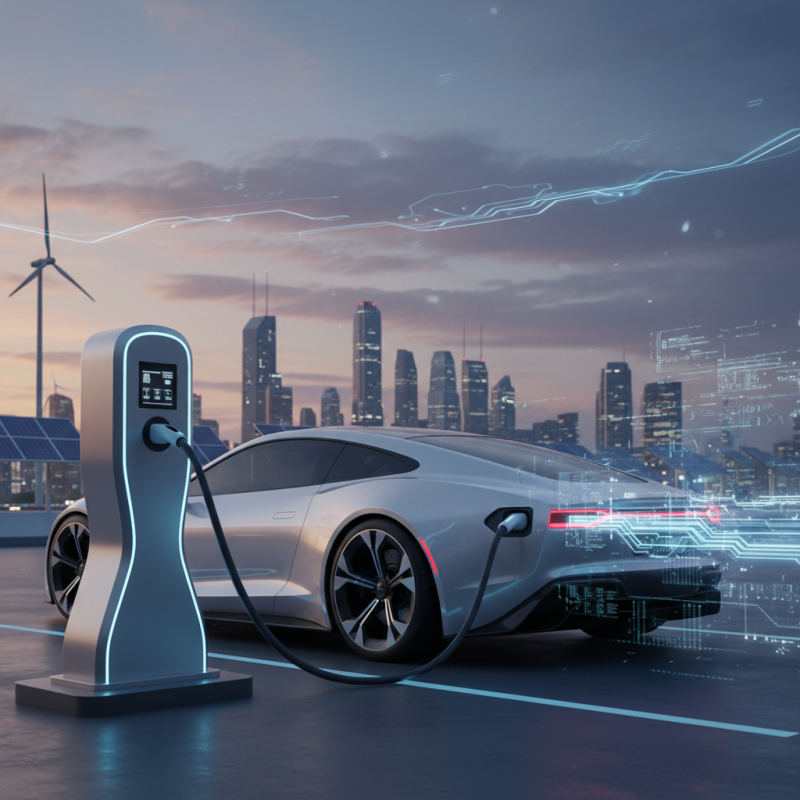
Electric vehicles (EVs) rely on charging infrastructure that varies significantly in speed and capacity. Understanding the basics of EV charging is crucial for reducing charging times efficiently. Charging levels are categorized into Level 1, Level 2, and DC fast charging.
Level 1 uses a standard 120V outlet and takes a long time to charge fully. In contrast, Level 2, with its 240V capability, can replenish an EV's battery in a few hours. Meanwhile, DC fast charging can provide an 80% charge in as little as 30 minutes, making it ideal for long trips.
To effectively reduce charging time, consider optimizing your charging habits. Schedule charging during off-peak hours. This can enhance the speed due to lower demand on the grid. In fact, reports show that charging an EV late at night can be up to 40% faster in some regions. Monitor your battery status to avoid frequent deep discharges, which prolong charging times. Keeping your battery between 20-80% can enhance its longevity and charging efficiency.
Tips: Make use of public DC fast chargers on longer trips. They are strategically placed along highways, making them accessible and quick. Also, invest in a home Level 2 charger. This offers flexibility and convenience for daily charging needs. Be mindful, though, that not all EVs support all charging types. Misalignment can lead to unnecessary delays in your charging experience.
Charging time for electric vehicles (EVs) largely depends on several key factors. One of the main influences is the charging technology used. Level 1 chargers, for example, are commonly found in homes. However, they are the slowest option, usually taking over 10 hours for a full charge. On the other hand, Level 3 chargers, also known as DC fast chargers, can significantly cut charging time. They can replenish a battery to 80% in about 30 minutes.
Battery size also plays a critical role. Larger batteries require more power and time for charging. It’s worth noting that not all charges are created equal. A battery management system affects how quickly energy is transferred. Moreover, environmental conditions can slow down the process. Cold temperatures often hinder battery efficiency. This can lead to extended charging times, leaving drivers frustrated. In contrast, optimal temperatures can enhance charging speed.
User habits impact charging time too. If you frequently charge to full capacity, you might extend the time spent at charging stations. Many drivers are unaware that keeping their battery at around 80% can boost efficiency. Finally, focusing on grid resources can improve charge times. Utilities might not always have enough capacity during peak hours. This can cause delays, requiring consumers to adapt their charging habits.
| Charging Method | Power Output (kW) | Typical Charging Time (Hours) | Battery Capacity (kWh) | Charging Efficiency (%) |
|---|---|---|---|---|
| Level 1 Charging | 1.4 | 8-20 | 20-100 | 85 |
| Level 2 Charging | 6.6 | 3-8 | 20-100 | 90 |
| DC Fast Charging | 50-350 | 0.5-2 | 20-100 | 95 |
| Wireless Charging | 3-10 | 6-12 | 20-100 | 80 |
Electric vehicles (EVs) are gaining popularity. However, charging times can still be a concern for many users. Innovative technologies are emerging to tackle this issue. One promising approach is ultra-fast charging systems. These allow EVs to recharge significantly faster than traditional chargers. The design focuses on high power output and advanced cooling solutions to manage heat.
Another trend is the development of wireless charging technology. This method uses electromagnetic fields to transfer energy. It provides convenience by allowing drivers to charge without plugging in. Yet, the current efficiency rates require improvement. This technology isn't widely available yet. Its integration into public infrastructure poses challenges.
Battery technology innovations play a crucial role as well. Solid-state batteries are an example. They have the potential to offer faster charging and longer lifespans. Unlike conventional lithium-ion batteries, they use solid electrolytes. Still, there are production and scalability hurdles to overcome. Continued research and investment will be essential in making these technologies reliable and accessible for all EV owners.
Home charging solutions can significantly reduce the charging time for electric vehicles. Efficient charging practices ensure that you maximize energy use without unnecessary waste. A few adjustments can lead to considerable improvements.
One key tip is to install a Level 2 home charger. These chargers can deliver more power, cutting down charging time. Many homes use standard wall outlets, which can be slower. Investing in a qualified contractor to set up a dedicated circuit might seem expensive, but it pays off over time.
Consider using a smart charging system. These systems optimize charging based on energy rates. For instance, charging during off-peak hours can save money and reduce load on the grid. Monitoring your charge levels can help you decide the best times to plug in.
Lastly, don’t overlook battery maintenance. Keeping your battery within the optimal temperature range can enhance efficiency. A cooler battery tends to charge faster. This requires sometimes adjusting your vehicle’s location or using thermal management systems. Such reflections can lead to learning and improvement in charging strategies.
As electric vehicles (EVs) continue to gain popularity, the demand for reduced charging time is growing. Future trends focus on innovative charging technologies that can enhance efficiency. One direction lies in ultra-fast charging stations that can deliver high power. These advancements enable EVs to charge significantly faster than current methods.
Another area of development includes battery technology. Solid-state batteries promise quicker charging and greater energy density. These batteries could revolutionize the market by cutting down charging duration substantially. However, transitioning to these technologies poses challenges in terms of production and safety assessments.
Smart grid solutions are also evolving. They aim to optimize charging based on energy demand and grid capacity. By balancing the load, some users may benefit from faster charging times during off-peak hours. Still, this system needs a nationwide infrastructure upgrade. Each trend has its hurdles and requires collective effort from the industry, policymakers, and consumers.
: Charging time depends on technology, battery size, environmental conditions, user habits, and grid resources.
Level 1 chargers are slow, taking over 10 hours. Level 3 chargers can recharge 80% in about 30 minutes.
Larger batteries require more power and take longer to charge than smaller ones, affecting overall time.
Cold temperatures reduce battery efficiency, often leading to longer charging times. Optimal temperatures can speed up charging.
Yes, frequently charging to full capacity can lengthen the time at stations. Keeping the battery at 80% can improve efficiency.
Ultra-fast chargers and wireless charging systems are being developed, focusing on higher power output and convenience.
They promise quicker charging and longer lifespans but face production challenges and need further development.
They aim to adjust charging based on energy demand, potentially offering faster charging during off-peak hours.
There are hurdles in production, safety assessments, and the need for infrastructure upgrades to support innovations.
In exploring "How to reduce charging time for electric vehicles," this article provides a comprehensive overview of the fundamentals surrounding EV charging. It begins with an understanding of the basic principles of electric vehicle charging and highlights various factors that can influence charging durations, such as battery capacity, temperature, and the type of charger used.
The discussion then shifts to innovative technologies that are being developed to accelerate EV charging, including high-power charging stations and battery advancements. Additionally, the article offers best practices for efficient home charging solutions, emphasizing the importance of time-of-use electricity rates and the optimal use of charging schedules. Finally, it looks ahead to emerging trends that promise to further reduce charging times, ensuring a more convenient and accessible experience for EV owners in the future.

EnerNova Charger