10 Tips on How Smart Energy Systems Enhance Grid Stability?

Time:2026-06-27 Author:Oliver
0%

In today's rapidly evolving energy landscape, the reliability of power grids is crucial. How smart energy systems improve grid stability is a pressing concern for utilities and experts alike. According to Dr. Emily Larson, an authority in energy systems, "Integrating smart technologies is essential for a resilient grid." This highlights the importance of innovation.

Smart energy systems utilize advanced technology. They can balance supply and demand effectively. These systems incorporate real-time data, enabling quicker responses to disturbances. Effective grid management leads to fewer outages. This not only enhances stability but also boosts confidence among consumers.

However, challenges remain. Implementation costs can be a barrier. It's vital to ensure that all regions benefit equally. Moreover, outdated infrastructure may hinder progress. Addressing these issues requires collaboration across sectors. Insights from experts like Dr. Larson can guide future developments. This journey towards improved grid stability involves continual learning and adaptation.
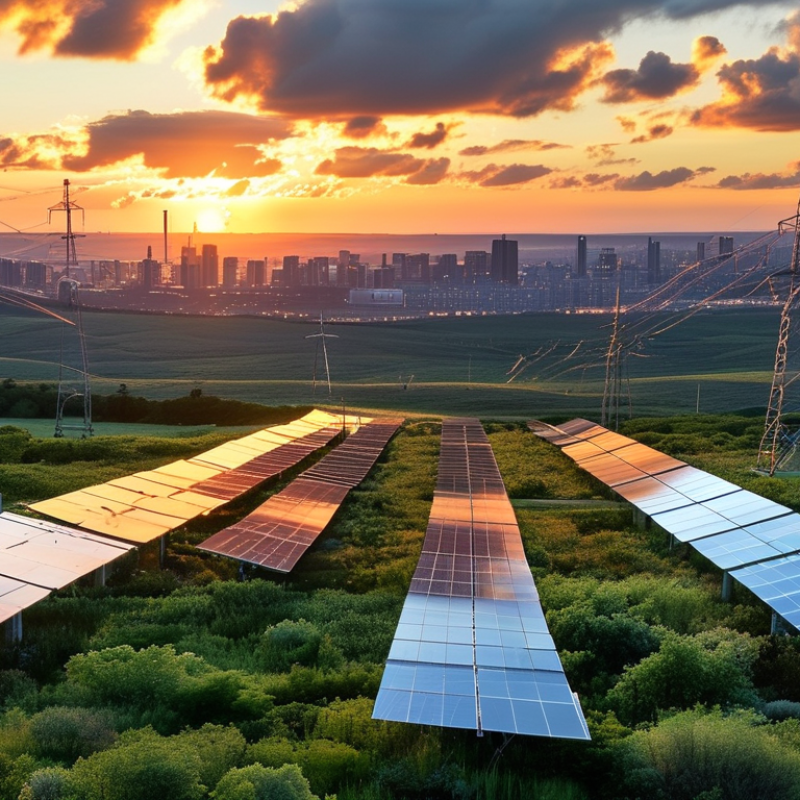
10 Tips on How Smart Energy Systems Enhance Grid Stability?

The Role of Smart Energy Systems in Modern Power Grids

Smart energy systems play a vital role in enhancing the stability of modern power grids. They integrate advanced technologies like IoT and AI to monitor energy flow in real-time. By utilizing data analytics, these systems can predict load demands and adjust supply accordingly. This predictive capability reduces the risk of outages, ensuring a reliable energy supply for homes and businesses.

Additionally, smart energy systems promote energy efficiency. They allow users to manage their consumption actively, which helps in balancing supply and demand. For example, during peak hours, users may reduce non-essential energy use. This collective effort can lower strain on the grid. However, challenges remain. Cybersecurity threats and infrastructure costs are significant concerns. Ensuring robust security measures is essential to maintain user trust and system effectiveness.

Despite these challenges, smart energy systems bring numerous benefits. They enhance grid reliability through decentralized energy resources. These innovations allow for local energy generation and storage. This diversity can make the grid more resilient. As we navigate the complexities of energy management, ongoing improvements are necessary to maximize potential outcomes. It's essential to learn from setbacks and adapt strategies for a more sustainable energy future.

Integration of Renewable Energy Sources for Enhanced Stability

As the demand for electricity rises, integrating renewable energy sources (RES) becomes crucial for grid stability. The U.S. Department of Energy reported a 58% increase in renewable energy generation from 2019 to 2022. This surge highlights the need for smart energy systems to manage fluctuations effectively. However, with this growth comes challenges. Renewable sources like solar and wind are variable, creating instability in supply and demand.

To enhance grid stability, smart energy systems utilize advanced technologies. Grid management software can predict energy production from RES, helping to balance loads. According to the International Renewable Energy Agency, optimizing these systems could reduce reliance on fossil fuels by 70% by 2030. Yet, integration isn't seamless; existing grid infrastructures often struggle with high penetration rates of renewables.

Moreover, storage solutions play a key role. Battery systems can store excess energy generated during peak production times. According to the Energy Storage Association, energy storage capacity must increase by 100 GW to efficiently balance the grid by 2030. However, not all regions have the required infrastructure or financial means to implement these solutions. Continuous reflection on these aspects is necessary as we move toward a more sustainable energy future.

Real-Time Data Management and Its Impact on Grid Reliability

In today's energy landscape, real-time data management plays a crucial role in enhancing grid reliability. As energy demands fluctuate, systems that process data instantly can identify problems before they escalate. For instance, sensors across the grid monitor power flow. When anomalies arise, alerts are generated, allowing for swift remedial actions. This level of responsiveness is critical for preventing outages and ensuring consistent energy delivery.

Moreover, implementing advanced analytics aids in predicting future energy needs. These tools analyze historical usage patterns and current consumption trends, enabling utilities to optimize resource allocation. However, reliance on data can present challenges. Data quality varies, leading to potential inaccuracies. Decision-makers must continuously evaluate the effectiveness of their data systems. While technology brings great promise, human oversight remains essential for maintaining trust in the grid.

Collaboration among stakeholders enhances data-sharing capabilities. Utilities must work with tech companies. There’s a need for seamless integration of systems to achieve maximum impact. Combining expertise from different fields strengthens the grid's resilience. However, this also raises questions about data privacy and security. Ensuring that sensitive information is protected while maximizing its utility remains a pressing concern. Stakeholders face constant dilemmas in balancing efficiency with safety.

Advanced Energy Storage Solutions for Improved Load Balancing

Advanced energy storage solutions play a pivotal role in enhancing grid stability. As the integration of renewable energy sources grows, so does the need for effective load balancing. According to a report by the International Renewable Energy Agency (IRENA), energy storage capacity has increased significantly, reaching over 20 gigawatts (GW) in 2021 alone. This growth enhances the grid's ability to store excess energy generated during peak production times.

Battery storage systems are particularly beneficial. They provide rapid response times, allowing for the quick adjustment of electricity supply and demand. For instance, when wind or solar energy production spikes, these systems can absorb excess power. However, challenges remain. The cost of energy storage solutions can still be a barrier for widespread adoption. Furthermore, the environmental impact of battery production and disposal raises questions that need addressing.

Despite these challenges, developments continue. The National Renewable Energy Laboratory (NREL) emphasizes the importance of research into advanced materials and technologies for batteries. Innovations in lithium-sulfur and solid-state batteries show promise for higher efficiency and reduced environmental impact. Policymakers must prioritize funding and incentives for these advancements to fully realize the potential of energy storage in stabilizing our energy grids.

Predictive Analytics and AI in Optimizing Grid Performance

The integration of predictive analytics and AI into energy systems significantly enhances grid performance. These technologies process vast amounts of data from various sources, including weather predictions and energy consumption patterns. By analyzing this data, utility companies can forecast energy demand more accurately. Improved forecasts help adjust the supply in real time, ensuring that energy generation meets consumer needs efficiently.

AI algorithms can also detect and predict faults in the grid. By identifying potential issues before they escalate, operators can perform preventive maintenance. This proactive approach minimizes downtime and enhances reliability. However, the reliance on technology raises questions about the resilience of these systems. If an AI model fails or produces inaccurate predictions, the consequences could be severe.

Moreover, the implementation of these advanced systems is not uniformly effective. Variability in data quality and integration challenges can hinder performance. Developing better data governance practices is vital for optimizing AI and predictive analytics in energy systems. Continuous improvement and adaptability in these technologies are essential for achieving long-term grid stability.

10 Tips on How Smart Energy Systems Enhance Grid Stability

FAQS

: What are smart energy systems?

: Smart energy systems integrate technologies like IoT and AI to monitor energy flow.

How do smart energy systems enhance grid reliability?

They can predict load demands and adjust supply in real-time, reducing outage risks.

What role does real-time data management play?

It identifies problems quickly, allowing prompt actions to maintain consistent energy delivery.

What challenges do smart energy systems face?

Cybersecurity threats and infrastructure costs remain significant concerns for these systems.

How do predictive analytics improve energy management?

They analyze historical data to forecast energy needs, optimizing resource allocation.

What are the risks of relying on technology for grid management?

Technology failures can have severe consequences, impacting the overall system reliability.

Why is collaboration among stakeholders important?

It enhances data-sharing capabilities, improving the overall resilience of the grid.

What concerns arise from data quality in energy systems?

Inaccurate data can lead to poor decision-making and operational challenges.

How does AI contribute to fault detection in grids?

AI predicts potential faults, allowing for proactive maintenance to minimize downtime.

What is necessary for long-term stability in energy systems?

Continuous improvement and adaptability in technology and data governance are essential.

Conclusion

Smart energy systems play a pivotal role in enhancing grid stability in modern power systems. By integrating renewable energy sources, these systems facilitate a more resilient and sustainable energy supply. The effectiveness of grid management is significantly improved through real-time data handling, which allows for better monitoring and quick responses to fluctuations in energy demand and supply.

Moreover, advanced energy storage solutions contribute to load balancing, ensuring that energy distribution aligns with consumption patterns. The incorporation of predictive analytics and artificial intelligence optimizes grid performance by anticipating issues and streamlining operational efficiency. Overall, understanding how smart energy systems improve grid stability is essential for advancing the reliability and sustainability of the energy infrastructure in the face of rising demands and renewable integration.

Oliver

Oliver

Oliver is a seasoned marketing professional with a wealth of expertise in driving brand awareness and engagement. With a deep understanding of our company's product offerings, he consistently delivers high-quality content that enriches our professional blog. His insights not only shed light on......