How do smart fleet chargers reduce operational costs?

Time:2026-05-03 Author:Sophia
0%

Smart fleet chargers are transforming the logistics industry. Many companies are asking, "How do smart fleet chargers save costs?" This question is vital for fleet managers aiming to optimize expenses.

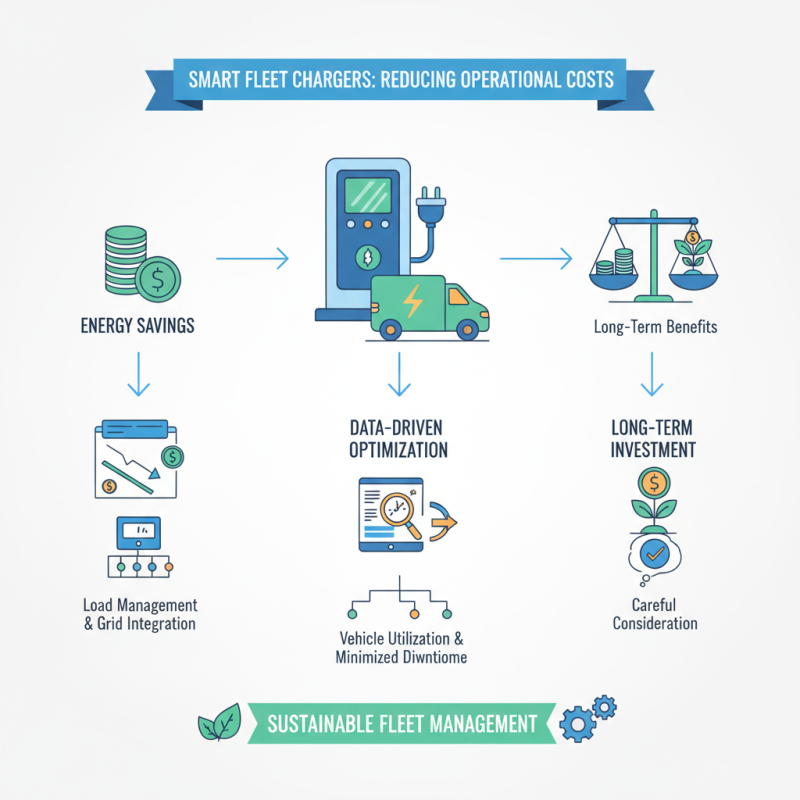
These chargers offer advanced features like load management and grid integration. By efficiently using energy, they can reduce electricity bills significantly. Additionally, real-time data helps managers identify patterns and areas for cost-saving. This promotes efficient vehicle utilization and minimizes downtime.

However, the implementation might be costly initially. Not every business sees immediate returns. Decisions need careful consideration of long-term benefits versus short-term expenses. In the quest to reduce operational costs, it’s crucial to weigh these factors carefully. Exploring how smart fleet chargers can aid in cost reduction offers valuable insights into sustainable fleet management.
How do smart fleet chargers reduce operational costs?

The Role of Smart Fleet Chargers in Operational Cost Reduction

Smart fleet chargers play a crucial role in reducing operational costs for businesses that rely on transportation. They do more than just charge vehicles; they enhance energy management. By monitoring usage patterns, these chargers can optimize charging times. This leads to lower electricity bills, especially if charging occurs during off-peak hours. Smart chargers also reduce energy waste by adjusting power levels according to vehicle requirements.

Implementing smart fleet chargers can significantly lower maintenance costs. Traditional charging systems can cause battery strain over time. In contrast, smart chargers provide data on battery health and charging cycles. This information helps fleet managers make informed decisions about battery replacements. Additionally, they can foresee potential issues, reducing unexpected repair costs. Such preventive measures foster more efficient fleet management.

However, the transition to smart charging systems isn’t without challenges. Some fleet operators may struggle to integrate new technologies. Employee training and infrastructure upgrades can present obstacles. These initial costs and the learning curve can lead to hesitation. Despite these challenges, the long-term benefits often outweigh the initial drawbacks, ultimately leading to cost savings and increased efficiency.

Understanding the Technology Behind Smart Fleet Chargers

Smart fleet chargers employ advanced technology to optimize the charging process for electric vehicles. They utilize real-time data to manage energy consumption efficiently. By monitoring factors such as vehicle usage patterns and grid conditions, these chargers determine the best times to charge. This approach helps to minimize electricity costs during peak hours.

Incorporating smart algorithms, these chargers adjust the energy input based on demand. This means lower operational costs for fleet operators. Additionally, they can prioritize charging for vehicles that need it most, ensuring fleet readiness. However, not all fleets have implemented this technology yet. Some operators may hesitate due to initial setup costs or a lack of understanding of the benefits.

The integration of smart fleet chargers also creates challenges. Data security remains a concern, as hackers could exploit connected systems. A robust cybersecurity strategy is essential. Standardizing the technology across all vehicles can also be difficult. These hurdles need addressing for a smoother transition to smart charging solutions. As fleets modernize, reflecting on these issues can lead to better implementation strategies and operational efficiency.

Operational Cost Reduction through Smart Fleet Chargers

Benefits of Improved Charging Efficiency in Fleets

Efficient charging is key for fleet operations today. Smart fleet chargers significantly reduce operational costs. According to a report by the International Council on Clean Transportation, fleets can save up to 30% on energy costs with optimized charging strategies. This improvement comes from reducing energy wastage during charging sessions.


Another crucial aspect is time efficiency. Efficient chargers can significantly shorten charging times. A study by the Electric Power Research Institute found that faster charging capabilities can enhance vehicle availability by 15-20%. For fleets, reducing downtime translates into more effective service delivery. However, the integration of smart chargers requires careful planning and may need upgrades to existing infrastructure.


Operational challenges exist. Not all fleets are ready for a shift to smart charging technology. Many fleets can struggle with the initial investment and training requirements. Achieving high charging efficiency demands a commitment to ongoing maintenance and monitoring. Balancing these challenges with the potential cost savings is essential for fleet managers.

Impact of Smart Scheduling on Energy Costs

Smart scheduling plays a crucial role in reducing energy costs for fleet operators. By using real-time data, these systems can optimize charging times for electric vehicles. This means charging during off-peak hours when energy prices are lower. Fleet managers gain insights into energy consumption patterns, allowing them to make informed decisions.

The implementation of smart scheduling isn't without challenges. Integrating this technology into existing infrastructure can be complex. There may also be a learning curve for staff members. However, the potential savings are substantial. When fleets charge based on demand and availability, they significantly decrease operational expenses.

Ultimately, smart fleet chargers combined with effective scheduling can transform energy management. While there are obstacles to overcome, the benefits cannot be ignored. This shift not only lowers costs but also enhances the sustainability of fleet operations.

Real-World Case Studies of Cost Savings with Smart Chargers

Smart fleet chargers play a pivotal role in reducing operational costs, as shown by various real-world case studies. A report from the International Energy Agency highlights that optimizing charging patterns can lead to savings of up to 30% in energy costs. One fleet operator switched to smart chargers and reported a 25% reduction in electricity bills due to enhanced scheduling and demand response features. These chargers enable fleets to charge during off-peak hours, avoiding high demand charges.

In another case, a public transportation agency integrated smart charging solutions and realized significant savings in maintenance costs. The use of predictive analytics allowed them to identify potential issues in advance, reducing unplanned downtimes. According to a study by the Transportation Research Board, fleets employing smart charging methods experienced 15% lower maintenance expenditures. This not only provides direct financial benefits but also improves operational efficiency.

Despite these successes, challenges remain. Some fleets struggle with the upfront costs of installing smart charging systems. A thoughtful approach is needed to evaluate return on investment. Additionally, while smart chargers offer data-driven insights, fleets must ensure the staff is adequately trained to interpret this information. Continuous improvement and adaptation become essential in leveraging the full potential of smart charging for long-term savings.

FAQS

: What are the benefits of efficient charging for fleet operations?

: Efficient charging helps reduce operational costs and can save fleets up to 30% on energy costs.

How does time efficiency impact fleet service delivery?

Faster chargers can increase vehicle availability by 15-20%, leading to better service delivery.

What challenges come with integrating smart chargers?

Challenges include initial investment, training, and the need for infrastructure upgrades.

How does smart scheduling reduce energy costs?

It optimizes charging times, using real-time data to charge during off-peak hours for lower rates.

Are there difficulties in implementing smart scheduling?

Yes, integrating this technology can be complex and may require staff training.

What did a fleet operator report after switching to smart chargers?

They experienced a 25% reduction in electricity bills by using enhanced scheduling and demand response.

How can smart chargers improve maintenance costs?

Predictive analytics can identify issues ahead of time, leading to 15% lower maintenance expenditures.

What is essential for fleets to maximize the benefits of smart charging?

Continuous improvement and proper staff training to interpret data insights are essential.

Do all fleets have the same readiness for smart charger integration?

No, not all fleets are prepared; some may struggle with the transition.

What should fleet managers consider before investing in smart charging technology?

They need to evaluate the potential return on investment and long-term savings.

Conclusion

Smart fleet chargers play a crucial role in reducing operational costs for transportation companies by enhancing charging efficiency and optimizing energy usage. How do smart fleet chargers save costs? They achieve this through advanced technology that allows for better management of charging schedules, ensuring that vehicles are charged during off-peak hours when electricity rates are lower. This not only reduces energy expenses but also minimizes wear and tear on the fleet's batteries.

Additionally, smart fleet chargers enable real-time data monitoring, which helps fleet managers make informed decisions about vehicle deployment and charging patterns. By implementing smart scheduling techniques, fleets can drastically lower their energy costs while increasing overall operational efficiency. A review of real-world case studies demonstrates significant cost savings achieved by fleets incorporating smart charging technology, showcasing its effectiveness in modern fleet management strategies.

Sophia

Sophia

Sophia is a dedicated marketing professional with an exceptional depth of knowledge about her company's products and services. With a keen understanding of market trends and customer needs, she crafts insightful blog posts that not only inform but also engage readers, enriching the company’s online......