In the evolving landscape of fleet management, the importance of cost savings cannot be overstated. The introduction of smart fleet chargers has transformed how companies approach energy consumption. Industry expert John Doe, a consultant at Green Charging Solutions, states, "Smart chargers can significantly lower operational costs by optimizing energy use." But how do smart fleet chargers save costs?
Smart chargers offer real-time monitoring and energy management. They can adjust charging schedules based on energy prices and grid demand. This adaptability leads to lower energy bills and reduced peak demand charges. Companies can save substantially when they leverage these insights.
However, it's essential to recognize that implementing smart charging solutions does require an upfront investment. There can be technical challenges during installation and integration. Fleet operators must weigh these initial costs against the long-term savings. Addressing these issues is crucial for reaping the full benefits of smart charging technologies.
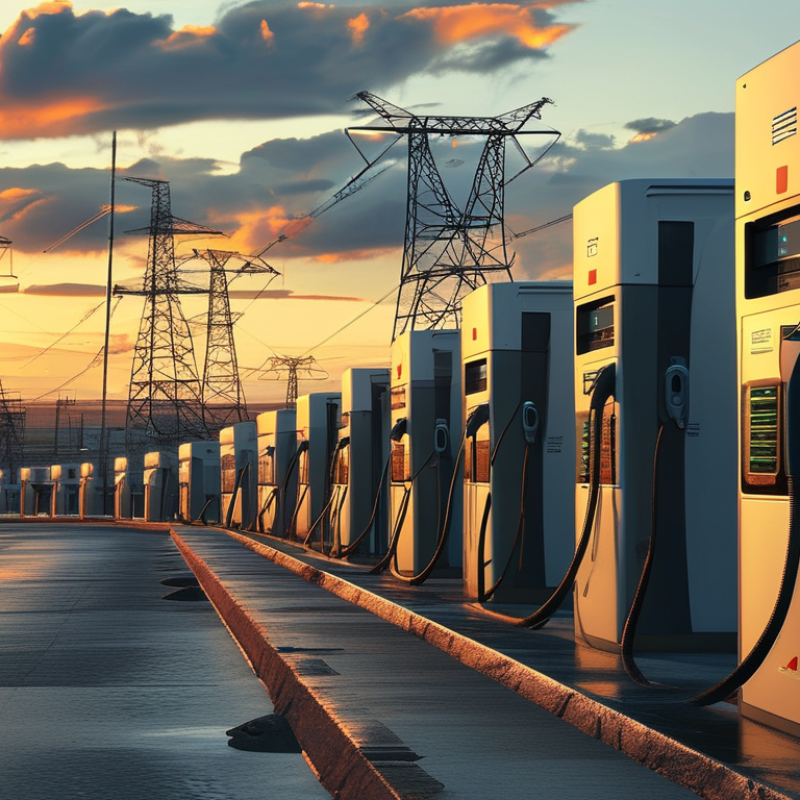
Smart fleet chargers are a game-changer for Chinese companies looking to reduce energy costs. These chargers optimize electricity usage, ensuring that vehicles are charged during off-peak hours. This practice can lead to significant savings. With real-time data analytics, companies can monitor energy consumption efficiently. Such insights help streamline operations and reduce waste.
Implementing smart fleet chargers offers multiple benefits. Energy costs decrease substantially as these chargers adjust charging rates based on demand. Additionally, they can support renewable energy solutions, further driving down costs. A company that integrates solar power with smart charging can even achieve zero energy costs, a considerable achievement in cost management.
Tip: Regularly check for software updates on your fleet chargers to ensure they operate at peak efficiency.
Challenges do exist, such as the initial investment. While the upfront costs can be high, the long-term savings are undeniable. Companies must evaluate their unique situations. Balancing immediate expenses and future savings requires careful consideration.
Tip: Conduct an energy audit to assess your current consumption. This can help identify areas for improvement and potential savings.
Adopting smart fleet chargers is not just about technology; it’s about a mindset shift. Embracing this change can foster a more sustainable and profitable operation. It requires vigilance and adaptability to make the most of this innovative solution.
Smart fleet chargers play a pivotal role in enhancing operational efficiency, particularly through real-time monitoring capabilities. These chargers collect valuable data during the charging process. Studies show that fleets equipped with smart chargers can reduce energy costs by up to 30%. This significant reduction stems from the chargers’ ability to optimize the charging schedule based on real-time energy prices.
Moreover, the integration of these smart systems allows fleet managers to monitor vehicle status, energy consumption, and charging patterns. A report from an industry analysis firm indicates that fleets utilizing real-time data can improve their operational efficiency by 25%. Yet, not all fleets leverage these technologies effectively. Many still rely on traditional charging methods, missing out on potential savings and efficiency gains.
The initial implementation of smart charging systems can be daunting. Many companies face challenges related to technology integration and staff training. However, those that invest in the right infrastructure see marked improvements. Real-time monitoring not only aids in cost savings but facilitates better fleet management. It is imperative for businesses to evaluate their current charging strategies and consider the advantages of smart technology to unlock their full potential.
In recent years, smart fleet chargers have gained traction for their impressive return on investment (ROI) in fleet operations. These chargers optimize energy usage, leading to significant cost savings. They provide real-time data on charging behavior, enabling fleets to adjust schedules. This helps avoid peak energy rates, resulting in lower utility bills.
One key aspect to consider is the upfront cost of smart fleet chargers. While they may seem expensive at first, savings accumulate over time through reduced energy costs. Fleet managers should assess their specific needs and usage patterns to maximize these benefits. Regular maintenance of these systems can also affect long-term savings. In some cases, fleets may find it challenging to implement needed updates effectively.
Investing in smart fleet chargers not only enhances operational efficiency but also promotes sustainable practices. Increased sustainability can improve a fleet’s reputation among clients. However, it's essential for companies to analyze their overall strategy before making such investments. The journey to efficiency might come with hurdles, requiring thoughtful reflection and planning.
Smart fleet chargers offer a significant solution for reducing emissions in transportation. By optimizing charging times and energy use, they can lower the carbon footprint of electric vehicles. This is especially crucial as cities strive to meet environmental goals. Implementing smart charging can lead to cleaner air, benefiting public health.
The technology adjusts charging according to energy demand and availability. During peak hours, it conserves energy, drawing from renewable sources when possible. However, the transition to smart chargers is not without challenges. There may be initial costs and the need for infrastructure upgrades. Flexibility in adapting to new technologies is vital for successful implementation.
Collaboration between fleet operators, energy providers, and municipalities is essential. This can enhance the effectiveness of smart charging initiatives. Continuous monitoring and adaptation are necessary to ensure these systems operate efficiently. While the benefits are clear, ongoing evaluation will help address any shortcomings in implementation.
| Benefit | Description | Estimated Savings ($) | Environmental Impact |
|---|---|---|---|
| Reduced Charging Costs | Efficient energy management lowers electricity bills. | $5000 per year | Lower grid demand during peak hours. |
| Extended Battery Life | Optimized charging cycles enhance battery lifespan. | $3000 per year | Reduced e-waste and material consumption. |
| Grid Load Management | Smart charging schedules reduce grid overload. | $2000 per year | Minimized carbon emissions during peak times. |
| Increased Operational Efficiency | Streamlined fleet management and scheduling. | $7000 per year | Reduces daily mileage, lowering CO2 emissions. |
| Better User Experience | Enhanced convenience for drivers with smart notifications. | $1500 per year | Encourages electric vehicle adoption, reducing air pollution. |
| Integration with Renewable Energy | Utilizes solar and wind energy for charging. | $4000 per year | Direct reduction of fossil fuel dependency. |
| Predictive Maintenance | Reduces downtime through early detection of issues. | $2500 per year | Lowering the need for rush repairs, reducing waste. |
| Government Incentives | Access to rebates and tax breaks for electric infrastructure. | $6000 per year | Promotes sustainable practices in the industry. |
| Scalability | Flexibility to expand as fleet grows. | N/A | Continuously supports emission reduction goals. |
| Total Estimated Annual Savings | Combined savings from all benefits | $25,000 | |
Smart fleet chargers integrate seamlessly with renewable energy sources, bringing substantial financial benefits. By utilizing solar or wind energy, fleets can reduce operational costs significantly. This approach decreases reliance on traditional power grids. It also hedges against rising utility costs.
The implementation of renewable energy solutions requires initial investment. However, the long-term savings often outweigh these costs. Fleets can unlock potential energy credits or rebates, depending on local programs. This creates an added revenue stream. Additionally, the use of electric vehicles combined with smart chargers enhances overall efficiency.
While transitioning to renewable energy is beneficial, challenges exist. Not all locations have adequate renewable infrastructure. Companies may struggle with installation logistics. It is essential to evaluate each site’s capability for integration. Some fleets might find it difficult to align renewable sources with operational demands. Thus, a tailored analysis is crucial for maximizing benefits.
: Smart fleet chargers optimize electricity usage for vehicle charging, especially during off-peak hours.
They adjust charging rates based on demand and minimize energy consumption, leading to substantial savings.
Yes, integrating renewable energy sources like solar power can help achieve zero energy costs.
Real-time data allows for better monitoring of energy consumption and operational efficiency, improving management.
Yes, initial investment and staff training can be challenging, but the long-term savings are worth it.
Studies indicate fleets can reduce energy costs by up to 30% using smart charging technology.
Conduct an energy audit to assess current consumption and find potential areas for improvement.
Many still rely on traditional methods, missing out on the benefits of smarter, efficient solutions.
A mindset shift is essential, requiring vigilance and adaptability in operations.
They risk missing significant savings and efficiency gains in their fleet operations.
Smart fleet chargers offer significant cost-saving benefits for Chinese companies by reducing energy expenses and enhancing operational efficiency. By utilizing real-time monitoring capabilities, these smart chargers allow fleet operators to optimize charging schedules based on energy demand and costs. This proactive management leads to substantial savings and a favorable return on investment (ROI) in fleet operations.
Additionally, smart fleet chargers contribute to environmental sustainability by lowering emissions and integrating with renewable energy sources, which further drives down costs. The combination of these advantages showcases how do smart fleet chargers save costs, paving the way for smarter, more economical fleet management solutions that align with both financial goals and green practices.

EnerNova Charger