As the demand for sustainable energy solutions rises, Second Life Battery Storage emerges as a crucial component. According to a report by Bloomberg New Energy Finance, the global battery storage market is projected to reach over $300 billion by 2030. This growth highlights the increasing need for efficient energy storage systems to support renewable energy sources.
Second Life Battery Storage involves repurposing used electric vehicle batteries, extending their life, and reducing waste. An estimated 3 million electric vehicle batteries could be retired by 2025. This provides an opportunity to harness their remaining capacity for grid storage and sustainable energy use. However, challenges remain in addressing safety concerns and economic feasibility.
Implementing Second Life Battery Storage offers not only environmental benefits but also potential economic advantages. While the technology is promising, careful consideration of integration into existing energy systems is essential. Stakeholders must evaluate potential risks and barriers, ensuring that this solution aligns with broader sustainability goals.
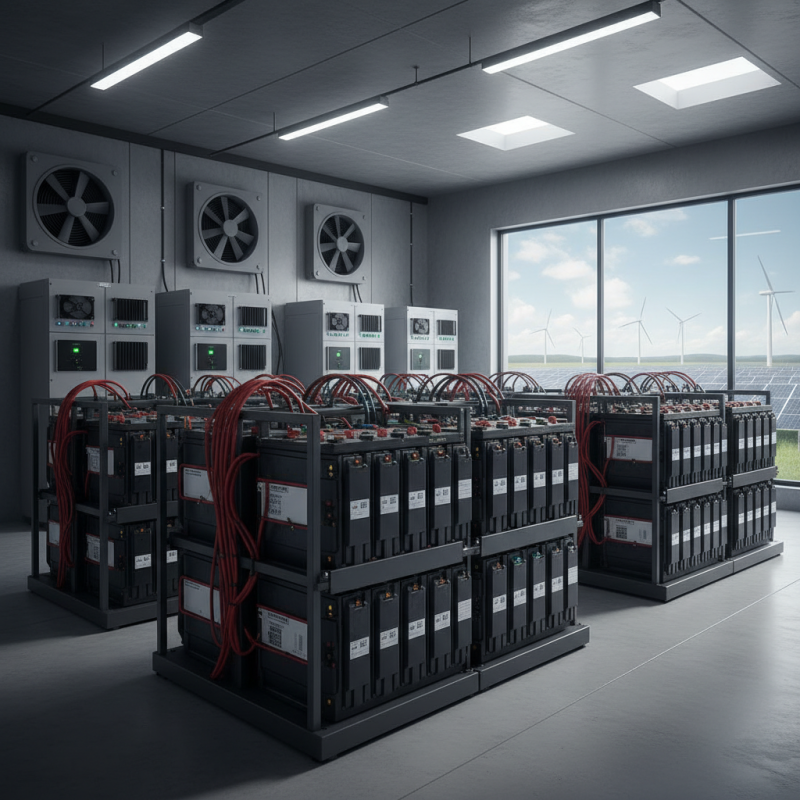
Overview of Second Life Battery Storage Concept
The second life battery storage concept repurposes used batteries. These batteries, once deemed inefficient for electric vehicles, find new purpose in energy storage systems. This approach significantly extends their lifecycle and reduces waste. By capturing excess energy from renewable sources, they provide stability to the grid.
Integrating second-life batteries has practical challenges. Battery performance can vary widely based on previous usage. This inconsistency makes it difficult to predict their reliability in new applications. Companies must invest in testing and refurbishment. While this can seem daunting, the potential benefits are notable.
Adopting this sustainable energy solution promotes circular economy principles. By reusing batteries, we lessen the demand for raw materials. Communities can harness this technology to enhance energy resilience. However, ongoing research is essential to optimize performance and safety. Understanding these complexities is vital as we transition to sustainable energy systems.
Key Technologies in Second Life Battery Storage Solutions
In the realm of sustainable energy, second life battery storage solutions have emerged as key innovations. These technologies repurpose used electric vehicle batteries, extending their life and utility. By doing so, we reduce waste while making energy storage more efficient. One prominent technology involves repurposing batteries for grid storage. This allows for balancing energy supply and demand, particularly with renewable sources.
For effective integration, it is vital to assess battery health and performance. Regular monitoring can prevent failures. Better understanding battery chemistry helps in maximizing lifespan. The challenge lies in standardizing these practices across varying battery types. This inconsistency can lead to inefficiencies when batteries are retired from their initial use.
One tip to consider is using modular systems. These allow for easier scaling and maintenance. Breaking down large projects into manageable sections can simplify the deployment process. Another approach is to invest in research. Optimizing battery management systems will enhance performance and safety. Addressing these areas is crucial for the industry’s future.
Benefits of Implementing Second Life Battery Storage
Second-life battery storage solutions offer numerous benefits for sustainable energy. These systems utilize batteries that have reached the end of their original use but still hold substantial capacity. Instead of discarding these batteries, businesses can repurpose them for energy storage. This not only reduces waste but also enhances energy efficiency. They provide a cost-effective way to store renewable energy from sources like solar or wind.
Implementing second-life batteries helps stabilize energy supply. They can store excess energy during peak production times and release it when demand surges. This flexibility is essential for integrating renewable energy into the grid. Additionally, second-life storage systems typically require less investment than new batteries, making them more accessible for various projects. Still, challenges remain, such as ensuring the reliability and safety of these repurposed batteries. Users must evaluate the condition and performance of each battery to maximize benefits, leading to ongoing discussions about standards in the industry.
Top Second Life Battery Storage Solutions for Sustainable Energy
| Solution Type |
Application |
Capacity (kWh) |
Life Cycle (Years) |
Environmental Impact |
| Residential Storage |
Home energy management |
6-12 |
10-15 |
Reduces reliance on grid |
| Commercial Solutions |
Peak load shaving |
20-100 |
10-20 |
Mitigates environmental footprint |
| Grid Storage |
Stabilizing energy supply |
500-5000 |
15-25 |
Supports renewable integration |
| Transportation |
Electric vehicle charging |
10-30 |
8-12 |
Reduces emissions during use |
| Industrial Applications |
Backup power supply |
100-1000 |
12-20 |
Lower operational cost |
Challenges and Limitations of Second Life Battery Storage
Second life battery storage has garnered attention as a sustainable energy solution.
However, several challenges limit its broader adoption. One significant issue is the variability in battery performance. Batteries age at different rates, affecting reliability.
This inconsistency can lead to unpredictable energy output, complicating management for utilities.
Another concern is the cost of repurposing batteries. While the initial investment may seem low, retrofitting and maintaining these systems can add up.
There is also the question of safety. Used batteries may have hidden defects. Such risks can pose dangers during use or storage.
Proper testing and monitoring protocols are essential.
Regulatory frameworks remain unclear. Different regions have varying guidelines on battery usage. This inconsistency complicates the integration of second life solutions into the energy market.
Market acceptance hinges on standardized practices. Without clear regulations, widespread implementation may falter.
Addressing these issues requires collaboration among stakeholders.
Future Trends in Second Life Battery Storage Development
The development of second life battery storage solutions is rapidly evolving. As the push for sustainable energy grows, repurposing used batteries becomes crucial. These batteries, often discarded from electric vehicles, hold significant potential for energy storage. They can store excess energy produced from renewable sources. This can enhance the reliability of solar and wind power.
Future trends indicate an increase in collaboration among industry players. Research institutions and companies are focusing on improving battery lifespan and efficiency. New technologies aim to optimize energy output while reducing costs. Importance is also placed on recycling these batteries effectively. How to safely store and reuse materials remains a critical challenge.
The integration of second life batteries into the grid is another exciting prospect. This could lead to localized power systems, enhancing community resilience against outages. However, some questions linger. Will these systems be reliable enough for widespread use? The path forward requires careful planning and innovation. Working out the kinks may take time, but the benefits are clear.
FAQS
: They use batteries that no longer serve their original purpose for energy storage, reducing waste.
They store renewable energy for later use, helping to balance energy supply and demand.
Variability in battery performance and hidden defects can complicate reliability and safety.
Initial costs may be low, but retrofitting and maintenance can lead to additional expenses.
Proper testing and monitoring protocols are essential to detect defects and ensure safe usage.
No, different regions have varying guidelines which complicate market integration.
Increased collaboration and advancements in technology to improve battery lifespan and efficiency.
Yes, they can provide localized energy systems, enhancing resilience to outages.
They work with companies to develop new technologies and improve battery repurposing methods.
Recycling is critical to safely reuse materials and address sustainability challenges in battery usage.
Conclusion
Second Life Battery Storage refers to the practice of repurposing used batteries, particularly from electric vehicles, for secondary applications in energy storage. This innovative concept not only extends the lifespan of batteries but also contributes to sustainable energy solutions by providing a resource for grid management and renewable energy integration. Key technologies driving Second Life Battery Storage include modular battery systems, smart management software, and efficient recycling processes, which optimize energy utilization and overall performance.
Implementing Second Life Battery Storage offers numerous benefits, such as reduced energy costs, enhanced grid stability, and diminished environmental impact through waste reduction. However, challenges like regulatory hurdles, safety concerns, and the need for standardization must be addressed for wider adoption. As interest in sustainable energy grows, future trends in Second Life Battery Storage development are likely to focus on improving efficiency, scalability, and integration with smart grid technologies, paving the way for a more sustainable energy landscape.

 EnerNova Charger