Charging an electric vehicle (EV) can sometimes lead to frustrating issues. Knowing how to troubleshoot EV charging issues is crucial for ensuring a smooth experience. Many drivers face common problems, such as slow charging or failure to connect. These challenges can stem from various factors, including faulty equipment or improper installation.
In this guide, we will explore practical solutions for typical EV charging dilemmas. Understanding the specifics can empower you to resolve issues quickly. Even experienced EV users occasionally encounter unexpected obstacles and may feel overwhelmed.
Let’s dive into actionable steps and strategies that can help you manage these common problems. By identifying the root causes, you can reduce downtime and enhance your reliability on the road. Don't let charging issues keep you from enjoying the benefits of EV ownership.
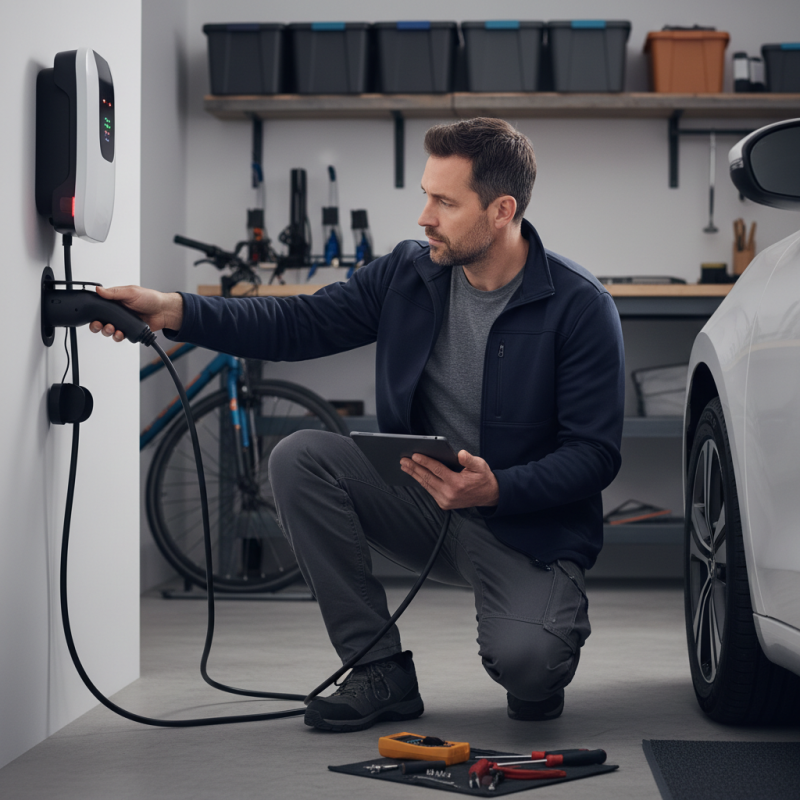
Electric vehicles (EVs) are gaining popularity, but charging problems can frustrate users. One common issue is a slow charging rate. This may occur due to compatibility problems with the charging station. Users should ensure their EV supports the charging infrastructure available. Sometimes, a simple reset of the charging unit can solve the problem. Regular maintenance checks can also enhance efficiency, yet many users overlook this.
Another frequent issue is fluctuating power levels. This affects charging times and can lead to uncertainty. Users often experience delays when trying to charge their vehicles during peak hours. Understanding the demand and optimizing charging times can help. Awareness of local grid conditions is crucial. It can save users from unexpected downtime.
Finally, connectivity issues with mobile apps can occur. These apps offer control and monitoring functionalities. When they fail, it may cause missed charging opportunities. Yet, many users don’t realize the importance of software updates. Keeping apps updated ensures functionality and security. Reflecting on these problems reveals the need for better user education in charging practices.
When considering EV charging stations, it's essential to understand the types available and their performance differences. Level 1 chargers use standard household outlets. They are widely accessible but charge slowly. These chargers may not meet high-demand needs for quick energy replenishment. Many users report frustration with their long charging times, which can hinder travel plans.
Level 2 chargers are more efficient. They require a dedicated circuit and can deliver significantly more power. However, their availability varies by location. Users have noticed that some public stations are often occupied or malfunctioning. This can lead to inconvenience if you rely on these stations during trips. Moreover, DC fast chargers promise rapid recharging, but they are not universal. Compatibility issues may arise, leaving drivers stranded.
Understanding the variance in charging performance is crucial. Different regions have different infrastructure capabilities. For instance, urban areas typically offer more robust charging options than rural settings. This can lead to uneven charging experiences. Being aware of local charging options can alleviate some of these concerns. The more informed you are, the better equipped you become to deal with these challenges.
Understanding battery compatibility is key for successful EV charging. Not all batteries hold the same voltage. Discrepancies in voltage can lead to inefficient charging cycles. For instance, a study indicates that nearly 30% of charging issues stem from mismatched battery specifications. This can hinder performance and reduce lifespan.
Charging rates also play a significant role. Fast chargers often supply more power than standard home chargers. A survey revealed that 40% of EV users experienced slower charging times when using incompatible connections. This affects not only user experience but can also degrade battery health over time. Correctly matching the charger to the battery type is crucial to minimize these issues.
As the EV market grows, so do the challenges. Consumers must remain vigilant about their charging setups. Periodically checking charger-battery compatibility can save time and enhance efficiency. Ignoring these factors could lead to unexpected downtimes and costly repairs. It's vital to stay informed and proactive in ensuring optimal charging performance.
Connectivity issues between electric vehicles (EVs) and charging infrastructure are increasingly common. Research indicates that nearly 30% of EV owners experience connectivity problems at charging stations. These issues can stem from various factors, including software glitches, network interruptions, and incompatible communication protocols.
Many EVs rely on data exchange to authenticate charging sessions. When a vehicle fails to establish a connection, it leads to frustration and wasted time. A report by the International Energy Agency noted that charging infrastructure often lacks standardization, leading to compatibility issues. Furthermore, environmental factors, such as intermittent Wi-Fi or poor cellular signals, can disrupt connectivity. This creates a challenge, particularly in urban areas where EV adoption is on the rise.
User experience is crucial. When drivers encounter connectivity problems, it affects their confidence in using EVs. Some users may abandon charging attempts after just one failed interaction. This highlights the need for better infrastructure and user education on troubleshooting. Effective solutions could involve more intuitive apps or reliable network enhancements to minimize disruptions. Enhanced communication between manufacturers and infrastructure providers can help streamline solutions.
Maintaining your electric vehicle (EV) charging station is crucial for optimal performance. Regular checks can prevent common issues. Inspect cables for wear or damage. Clean any dust or debris that may obstruct connections. It's a simple task, but often overlooked.
Charging efficiency relies on proper installation. Ensure the charger is placed in a dry, well-ventilated area. Extreme temperatures can impact performance. If the environment is too hot or too cold, charging times may increase. It’s good to reassess your setup regularly.
Monitoring energy consumption can also help. Use apps or onboard systems to track your charging habits. Identifying patterns can reveal inefficiencies. Sometimes, the charging station may struggle due to local power supply issues. If you notice inconsistent performance, consider consulting with a professional. Regular maintenance not only enhances efficiency but also extends the lifespan of your charging equipment.
: A common issue is slow charging rates due to compatibility problems. Users should check if their EV supports the infrastructure.
A simple reset of the charging unit can help. Regular maintenance checks are also essential but often overlooked.
Fluctuating power levels can lead to delays. Users are advised to charge during off-peak hours and monitor local grid conditions.
Not all batteries hold the same voltage. Mismatched specifications can lead to inefficient charging cycles and reduced lifespan.
Using incompatible connections, 40% of EV users experience slower charging times, which can degrade battery health over time.
Regularly inspect cables for wear and keep connections clean. Ensuring proper installation in a ventilated area is crucial.
Extreme temperatures can slow down charging times. Regular reassessment of the setup is recommended to ensure optimal performance.
Using apps or onboard systems helps track charging habits. Identifying consumption patterns can improve overall efficiency.
If performance issues arise, consulting with a professional can provide insights and solutions for better efficiency.
Regular maintenance enhances efficiency and extends the lifespan of charging equipment. It can save users from costly repairs over time.
Navigating the complexities of electric vehicle (EV) charging can present numerous challenges for users. In addressing "How to troubleshoot EV charging issues," it’s essential to first understand common problems that may arise, such as connectivity issues between the vehicle and charging infrastructure, which can hinder smooth operation. Additionally, recognizing the different types of charging stations and their performance can help users make informed decisions about where to charge.
Battery compatibility and discrepancies in charging rates are crucial factors that can affect the efficiency of the charging process. Regular maintenance and adherence to best practices not only enhance charging performance but also extend the lifespan of both the vehicle's battery and the charging station. By systematically analyzing these elements, users can effectively troubleshoot and resolve common EV charging issues, ensuring a more seamless and efficient charging experience.

EnerNova Charger