As the electric vehicle (EV) market continues to surge, upgrading existing charging stations is crucial for meeting future demand. According to the International Energy Agency, the number of electric cars could reach 145 million by 2030. This notable rise emphasizes the need for efficient charging solutions. Experts like Dr. Emily Carter, a prominent figure in EV infrastructure, assert, "How to upgrade existing charging stations involves not only enhancing speed but also improving user experience."
Many current stations lack the technological advancements necessary for optimal performance. Upgrading these infrastructures could mean integrating smart charging solutions. For instance, utilizing renewable energy sources can significantly enhance efficiency. Yet, challenges persist. Some older stations have outdated equipment, which may require extensive retrofitting.
Incorporating advanced payment systems and real-time data tracking is essential. Such upgrades will help capture user preferences, driving further improvements. Nevertheless, there's a pressing need for careful planning in these upgrades. Rushed implementations may lead to increased downtime and user frustration. As we approach 2026, investing wisely in charging infrastructure will determine the success of the EV ecosystem.
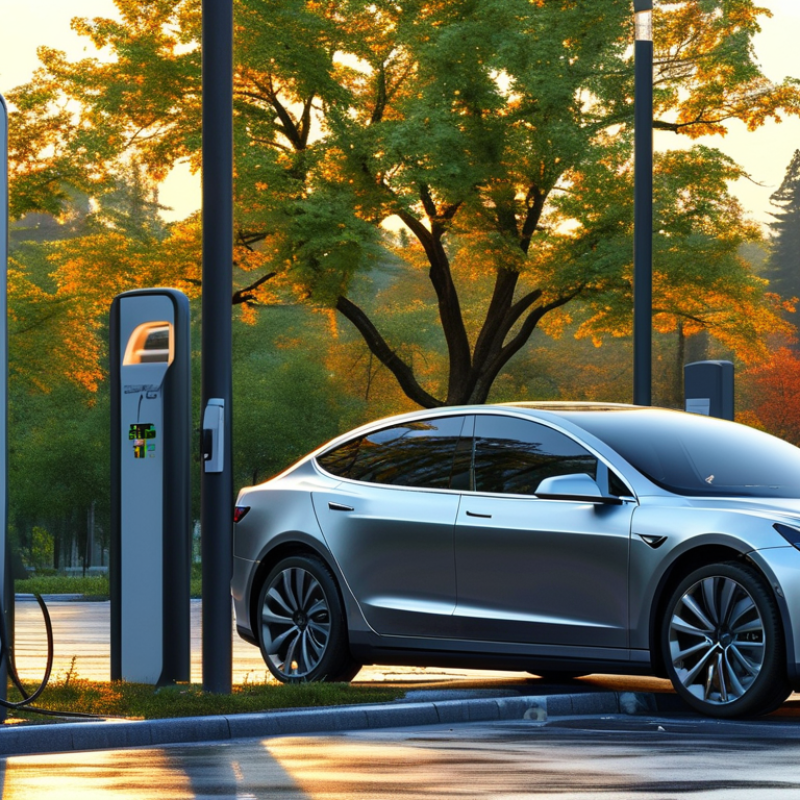
Analyzing the Current Landscape of Charging Stations in 2023
The current landscape of charging stations in 2023 is evolving rapidly. With the surge in electric vehicle adoption, infrastructure needs are shifting. Many stations are operational but lack sufficient amenities. Users often report long wait times and limited availability. These issues highlight the importance of strategic upgrades.
Integrating faster charging technologies is one primary trend. Current chargers often take too long for a quick pit stop. Users want reliability. They are seeking stations equipped with dynamic configurations to adapt to peak demands. Some urban areas are experiencing congestion. Upgrading existing stations with solar panels can enhance energy efficiency while reducing costs.
The focus now should be on user experience. Offering amenities like Wi-Fi, lounge areas, and food options can make a significant difference. Addressing these factors will not only attract more customers but also foster loyalty. In 2023, understanding consumer needs is essential for successful upgrades. The sector must remain flexible and ready to adopt new technologies.
Key Trends Shaping Electric Vehicle Charging for 2026
As the electric vehicle (EV) market evolves, several key trends are emerging that will impact charging stations by 2026. The integration of smart technology in charging infrastructure is at the forefront. Charging stations will increasingly utilize real-time data to optimize energy consumption. This includes scheduling charging times based on grid demand and renewable energy availability.
Another significant trend is the rise of ultra-fast charging stations. These are designed to minimize downtime for EV users. Many expect charging times to decrease significantly, comparable to refueling a gasoline vehicle. However, this shift requires an upgrade of existing infrastructure. It's essential to ensure these stations are compatible with various EV models.
In addition, the concept of energy management systems will gain traction. These systems help manage energy distribution among multiple charging points. This approach ensures that all users have access to charging while maximizing the efficiency of energy use. While these trends show promise, challenges remain. Upgrading existing stations to accommodate these innovations demands investment and careful planning. Stakeholders must navigate technical limitations and user adoption barriers to achieve a seamless transition.
Innovative Upgrades to Enhance Charging Station Efficiency
As electric vehicle (EV) adoption continues to rise, upgrading existing charging stations becomes critical. Reports indicate that by 2025, there will be an estimated 26 million EVs on the road in the U.S. alone. To meet this growing demand, enhancing the efficiency of charging stations is essential. Implementing smart charging solutions can drastically improve the energy management of these stations. This could lead to reduced wait times for users and lower operational costs for service providers.
One innovative upgrade is the integration of renewable energy sources. A significant study shows that stations powered by solar energy can reduce electricity costs by up to 70%. Moreover, employing energy storage systems allows for better load management. However, the investment required for these upgrades often raises concerns among operators. It's crucial to weigh the long-term benefits against initial costs, as well as the technology's evolving nature.
Moreover, monitoring user flow and charging patterns can provide valuable insights. Data analytics can reveal peak usage times, enabling better resource allocation. Yet, the reliance on data can pose challenges, such as privacy concerns and data management. Overall, while the path to upgrading charging stations is promising, it requires careful planning and consideration of both technology and user experience.
Integrating Smart Technology into Charging Infrastructure
The shift toward smart technology in charging infrastructure is becoming crucial. Research shows that by 2026, over 70% of charging stations will incorporate advanced tech features. This integration enhances user experience and streamlines operations. Smart charging solutions help monitor energy use in real-time. Data suggests that these systems can reduce energy costs by up to 30%.
One significant challenge faced is interoperability among different platforms. Many charging stations operate on varied protocols, complicating user access. Investing in open standards can promote seamless interactions. There’s a growing demand for user-friendly interfaces, and with fewer than 10% of current stations meeting this standard, there’s room for improvement.
Moreover, the sustainability aspect cannot be ignored. Research indicates that integrating renewable energy sources can cut the carbon footprint of electric vehicle charging stations significantly. While many stations have yet to adopt these practices, forward-thinking strategies are essential to prepare for future demand. The transition to smart technology is not just a trend; it’s a necessity for a sustainable energy future.
Sustainability Practices for Future-Proofing Charging Stations
As we look toward 2026, upgrading charging stations for sustainability becomes essential. Implementing eco-friendly practices can extend the lifespan of these critical infrastructures. Firstly, consider solar panel installations. They harness energy from the sun, lowering operational costs. This method not only reduces dependence on the grid but also promotes renewable energy use.
When upgrading, choose sustainable materials for the stations. Recycled plastics or metals not only cut down waste but also enhance durability. Design the layout for easy maintenance access, minimizing future disruptions. This reflects good practice in facility management. Remember, a well-maintained station is more efficient and environmentally friendly.
Tips: Regularly review the materials used in your stations. Look for innovative replacements that contribute to a circular economy. Engage your community in sustainability discussions. Their input can provide valuable insights and foster local support. Building partnerships can amplify sustainability efforts and create collective responsibility.
Upgrade Your Existing Charging Stations for 2026 Top Trends? - Sustainability Practices for Future-Proofing Charging Stations
| Trend |
Description |
Sustainability Practice |
Implementation Year |
| Smart Charging Management |
Use of AI to optimize charging schedules based on demand. |
Reduces energy waste by aligning usage with renewable energy generation. |
2025 |
| Solar-Powered Stations |
Integrating solar panels to provide a renewable power source for charging stations. |
Utilizes clean energy, reducing carbon footprint of charging. |
2026 |
| Battery Storage Systems |
Incorporating battery storage to manage energy supply. |
Enhances grid stability and allows for energy storage during off-peak hours. |
2024 |
| User Authentication Technology |
Implementing advanced authentication methods for users. |
Ensures secure access and energy usage tracking. |
2026 |
| Recyclable Materials |
Using materials that are fully recyclable for station construction. |
Minimizes waste and promotes circular economy. |
2025 |
FAQS
: Upgrading is vital due to the rising adoption of electric vehicles. More efficient stations meet growing user demand.
Using renewable energy can lower electricity expenses significantly. Some studies suggest up to a 70% reduction in costs.
Data analytics offers insights into user flow and peak usage. This helps in optimizing resources and reducing wait times.
Interoperability among different charging platforms complicates user access. This creates difficulties for seamless interactions at stations.
Eco-friendly practices can lower operational costs and extend infrastructure lifespan. Using renewable energy promotes sustainability effectively.
Sustainable materials, like recycled plastics and metals, enhance durability and reduce waste. They support a greener approach.
User-friendly interfaces are crucial for improving access. However, less than 10% of current stations meet this standard.
Operators should regularly review materials for sustainability. Innovative replacements contribute to a circular economy.
Engaging the community fosters support and valuable insights. Local partnerships can amplify sustainability initiatives together.
Conclusion
As electric vehicle ownership continues to rise, the upgrade of existing charging stations becomes imperative to meet the evolving demands of users. To understand how to upgrade existing charging stations, it is essential to analyze the current landscape from 2023, identifying key trends that will shape the future of EV charging by 2026. This includes embracing innovative upgrades that enhance charging efficiency and integrating smart technology to streamline operations.
Additionally, sustainability practices must be incorporated into the upgrading process to ensure that charging stations remain relevant and environmentally friendly. By prioritizing these elements, stakeholders can future-proof their charging infrastructure, ultimately supporting the growing electric vehicle market and contributing to a more sustainable transportation ecosystem.

 EnerNova Charger