How Vehicle to Grid Storage Can Help Homeowners Save Money?

Time:2026-09-02 Author:Sienna
0%

Vehicle-to-grid (V2G) storage is transforming how homeowners manage energy. As energy costs rise, many seek innovative ways to save. John Smith, a leading expert in renewable energy systems, states, "V2G technology not only cuts costs but empowers homeowners."

This approach allows electric vehicles to act as energy storage. Homeowners can sell excess power back to the grid during peak times. This creates a new revenue stream. The technology can lower energy bills significantly. Yet, many remain unaware of how vehicle-to-grid storage benefits homeowners.

Adopting V2G systems requires careful consideration. Initial investments can be high. Some homeowners worry about the longevity of their vehicle batteries. However, the potential savings often outweigh these concerns. In time, many may find their energy choices lead to greater financial freedom. Exploring the balance between cost and benefits is essential for making informed decisions.
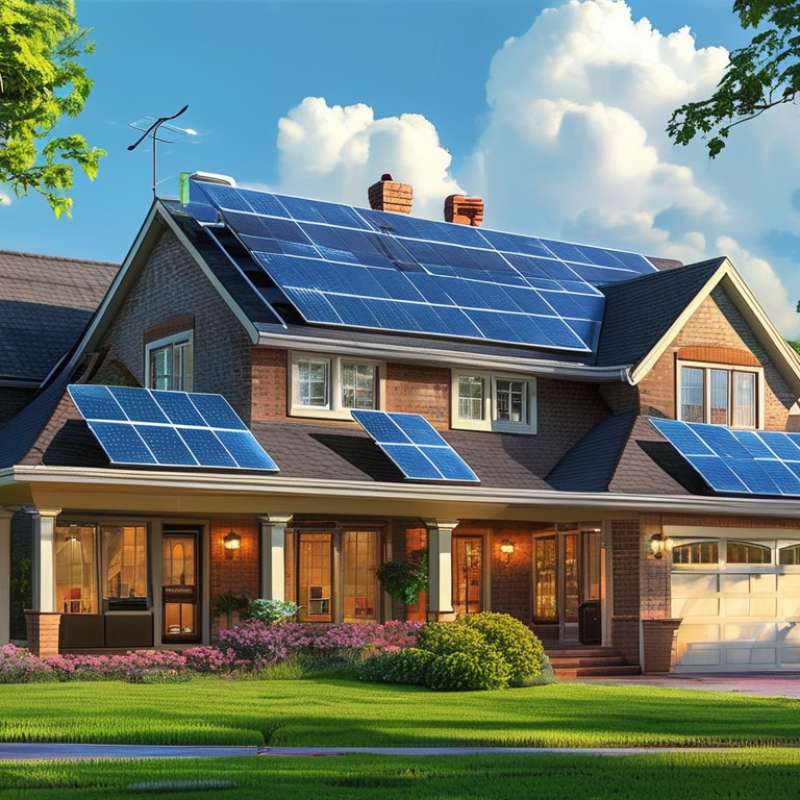
How Vehicle to Grid Storage Can Help Homeowners Save Money?

Understanding Vehicle to Grid (V2G) Technology

Vehicle to Grid (V2G) technology offers a unique solution for homeowners seeking to reduce energy costs. V2G systems connect electric vehicles to the power grid, allowing users to send electricity from their vehicle batteries back to the grid. This process not only benefits homeowners by enabling them to earn money for the energy they provide, but it also supports grid stability. Each time a vehicle is parked, it can contribute to energy storage.

Implementing V2G technology raises questions. Are the savings substantial? How often will homeowners need to charge and discharge their vehicles? Energy prices fluctuate, impacting potential earnings from the grid. Users must balance their driving needs with the desire to generate revenue through energy trading. This can lead to a complex relationship between vehicle usage and financial gain.

Homeowners should assess personal habits and energy consumption patterns. It’s essential to understand the local grid requirements and regulations regarding V2G. Not all neighborhoods may support this integration yet. As demand for renewable energy rises, it's a timely opportunity but requires careful planning. The technology promises benefits, yet it also demands active engagement and adjustment from users.

How V2G Systems Operate in Homes

Vehicle-to-Grid (V2G) systems offer innovative solutions for homeowners looking to optimize their energy use. These systems allow electric vehicles (EVs) to serve as energy storage units. Homeowners can charge their vehicles during off-peak hours when electricity is cheaper. When demand peaks, energy can flow back to the grid, helping to stabilize it. According to the National Renewable Energy Laboratory, V2G technology could generate savings of up to 30% on annual energy costs for households.

How do V2G systems operate in homes? The process begins with a bi-directional charger. This device connects both the home and the grid. When electricity prices are low, the vehicle’s battery stores the surplus energy. Conversely, during high demand periods, this energy can be fed back into the grid. The potential for this approach is significant. A report from the International Energy Agency suggests that if 500 million EVs are in use by 2030, V2G systems could reduce peaks in energy demand by 15 GW, providing both efficiency and cost savings for homeowners.

However, integrating V2G technology isn’t without challenges. Not all EVs support V2G, as compatibility is still developing. Homeowners must also consider the wear on their vehicle batteries due to frequent charging cycles. These factors can impact long-term savings and reliability. Still, V2G systems have the potential to enhance energy resilience in homes while contributing to a more sustainable grid.

How Vehicle to Grid Storage Can Help Homeowners Save Money?

This chart illustrates the potential savings homeowners can achieve through the use of Vehicle to Grid (V2G) systems over six months. Homeowners can benefit significantly from these technologies by using stored energy during peak hours and selling excess energy back to the grid.

Potential Financial Savings for Homeowners Using V2G

Vehicle to Grid (V2G) technology allows homeowners to manage their energy costs effectively. By connecting electric vehicles to the grid, homeowners can sell excess energy back to the grid during peak times. This practice not only helps reduce energy bills but also promotes sustainable energy use. The financial benefits can accumulate over time, leading to significant savings.

Strategically using V2G technology can be advantageous. Homeowners can evaluate peak and off-peak electricity prices. Charging during off-peak hours and discharging during peak can provide maximum returns. Setting up smart home systems can automate these processes, ensuring efficiency.

Understanding local energy policies is essential as they can influence your savings. Regulations vary by region, and knowing the current incentives or subsidies can aid in decision-making. Engaging with local energy providers can also open doors to additional opportunities for savings. Implementing V2G might seem complex initially, but it offers a pathway to greater autonomy over energy expenses.

Incentives and Rebates for Implementing V2G Solutions

Vehicle-to-grid (V2G) technology offers homeowners a practical way to save money on their energy bills. By allowing electric vehicles to return electricity to the grid during peak demand, homeowners can profit from this process. Incentives and rebates play a crucial role in making V2G solutions more accessible. The U.S. Department of Energy estimates that homeowners can save up to 30% on their electric bills with V2G systems.

Many states now offer rebates for installing V2G hardware. These rebates can cover a substantial portion of initial investment costs. According to recent industry reports, the average rebate can fall between $1,000 and $4,000. Additionally, homeowners may qualify for federal tax credits, further enhancing their savings. State energy programs may also provide incentives that vary by region.

Consider evaluating local programs to maximize savings. Look for available state and federal incentives before committing to a V2G solution. Estimating potential savings can help in decision-making. Keep energy usage in mind and track costs regularly. Engaging with energy consultants can offer deeper insights into optimizing your investment. Balancing immediate costs with long-term benefits is essential for a sustainable energy strategy.

Environmental Benefits of V2G: Saving Money and the Planet

Vehicle to Grid (V2G) technology is revolutionizing the way homeowners manage energy. By connecting electric vehicles to the grid, homeowners can utilize their cars as a source of energy storage. This can lead to substantial savings on electricity bills while also benefiting the environment.

V2G systems allow vehicles to send stored energy back to the grid during peak demand. This helps reduce reliance on fossil fuels and lowers greenhouse gas emissions. Homeowners can earn money by selling unused energy. Additionally, utilizing renewable energy sources helps decrease carbon footprints. However, there can be challenges in understanding regulations around energy sales.

Understanding how to implement V2G can empower homeowners. Start by researching local energy policies. Engage with community programs that promote green technology. Consider consulting with professionals to ensure a well-functioning system. Frequently review your energy consumption patterns and adjust usage habits accordingly. Small changes, such as charging during off-peak hours, can also lead to savings.

Many people hesitate due to perceived complexities in technology. It’s important to weigh the benefits against the learning curve. Engage with local green tech groups to learn from others’ experiences. This shared knowledge can provide insights and resolve concerns. Remember, every contribution to energy savings counts, both personally and environmentally.

How Vehicle to Grid Storage Can Help Homeowners Save Money? - Environmental Benefits of V2G: Saving Money and the Planet

Benefit Description Estimated Savings ($/Year) Environmental Impact (CO2 Reduction)
Energy Cost Savings Lower electricity bills by discharging stored energy during peak prices. $200 0.5 tons
Grid Stability Contribute to grid stability, reducing the need for fossil fuels. N/A 1 ton
Incentives Government and utility incentives for participating in V2G programs. $150 0.3 tons
Battery Life Extension Optimized charging minimizes wear on the vehicle's battery. N/A 0.2 tons
Renewable Energy Support Helps integrate renewable energy into the grid by storing excess. N/A 1.5 tons

FAQS

: What is a Vehicle-to-Grid (V2G) system?

: V2G systems allow electric vehicles to store energy and send it back to the grid during peak demand.

How can V2G systems save homeowners money?

Homeowners can charge vehicles when electricity is cheap and sell excess energy back to the grid during high prices.

What is the role of a bi-directional charger in V2G systems?

A bi-directional charger connects the home to the grid, enabling energy flow both ways for efficiency.

Are all electric vehicles compatible with V2G systems?

No, not all EVs support V2G. Compatibility varies, and homeowners should check their vehicle specifications.

What potential challenges come with V2G integration?

Challenges include battery wear from frequent charging and complexity in understanding energy regulations.

How can homeowners maximize savings using V2G?

Charge during off-peak hours and sell energy during peak times. Smart home systems can automate these processes.

What environmental benefits do V2G systems offer?

V2G reduces greenhouse gas emissions and reliance on fossil fuels, supporting more sustainable energy practices.

Why is it important to understand local energy policies?

Local regulations influence savings and incentives. Knowledge can help in making informed energy management decisions.

How can homeowners begin implementing V2G technology?

Research local policies and consider consulting with professionals for proper setup and maintenance.

What should homeowners do if they find V2G too complex?

Engage with local groups for support and insights from others. Small changes can lead to significant benefits.

Conclusion

Vehicle-to-grid (V2G) technology presents an innovative approach for homeowners seeking to optimize energy use and reduce costs. By allowing electric vehicles (EVs) to feed energy back into the grid during peak demand times, V2G systems not only help stabilize the grid but also enable homeowners to save money on energy bills. Understanding how V2G systems operate in residential settings can unlock potential financial savings through effective energy management and participation in demand response programs.

In addition to the economic advantages, homeowners can benefit from various incentives and rebates aimed at implementing V2G solutions. These initiatives encourage the adoption of sustainable practices, ultimately contributing to environmental preservation. Overall, the integration of V2G technology offers a dual benefit: it empowers homeowners financially while simultaneously promoting eco-friendly energy practices, illustrating precisely how vehicle-to-grid storage benefits homeowners.

Sienna

Sienna

Sienna is a skilled marketing professional with a deep expertise in our company’s core products and services. With a passion for innovation and detail, she plays a pivotal role in crafting insightful blog posts that not only highlight the unique features of our offerings but also provide valuable......