How Vehicle to Grid Storage Can Save Homeowners Money?

Time:2026-05-19 Author:Charlotte
0%

As the world shifts towards renewable energy solutions, homeowners seek innovative ways to reduce energy costs. How vehicle-to-grid storage benefits homeowners is a crucial topic. This technology allows electric vehicles to act as energy reserves, which can be a game-changer for families.

By integrating electric vehicles with home energy systems, homeowners can sell excess energy back to the grid. This practice can lead to significant savings on utility bills. Additionally, it helps stabilize the grid during peak demand times, potentially earning homeowners credits. The appeal lies not just in savings, but in contributing to a sustainable future.

However, challenges remain. The initial cost of electric vehicles can be high, and not all homeowners may have access to charging infrastructure. Moreover, understanding the technology can be complex. It's essential for homeowners to weigh the pros and cons carefully. With the right knowledge and investment, vehicle-to-grid storage could indeed be a wise choice for the eco-conscious homeowner.
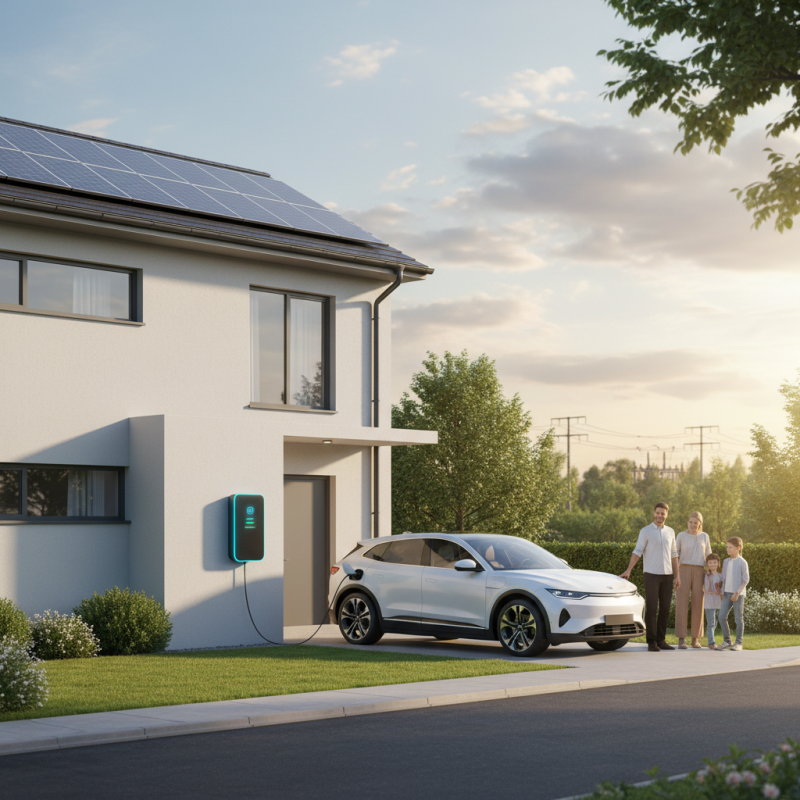
How Vehicle to Grid Storage Can Save Homeowners Money?

Understanding Vehicle to Grid Storage Technology

Vehicle to Grid (V2G) storage technology presents a revolutionary opportunity for homeowners to save money. This system connects electric vehicles (EVs) to the electricity grid, allowing energy stored in the vehicle to be sent back to the grid during peak demand. According to the U.S. Department of Energy, V2G technology can help reduce energy costs by up to 30% for homeowners, especially during high-demand seasons.

V2G systems utilize bi-directional charging, enabling EVs to act as both energy consumers and suppliers. A recent report from the International Energy Agency indicates that by 2030, there could be over 200 million EVs on the road. This influx of vehicles can bolster grid stability and, in turn, optimize energy pricing for consumers. Homeowners can also participate in demand response programs, potentially earning credits for supplying energy back to the grid.

Tips: Consider integrating solar panels with V2G technology. This pairing maximizes energy use and savings. Also, check if your local utility offers incentives for V2G participation. Engaging with community resources can enhance your understanding and benefits from the system.

However, challenges exist. Not all EVs are compatible with V2G technology. Homeowners need to stay informed about advancements in EV hardware. As this technology evolves, accessibility and pricing structures must be closely monitored. Exploring local regulations is essential to maximize potential savings.

How Vehicle to Grid Benefits Homeowners Financially

Vehicle to Grid (V2G) technology offers homeowners a novel way to save money on energy costs. By utilizing electric vehicles as storage units, homeowners can sell back excess energy to the grid during peak hours. This process can lead to significant savings on electricity bills.

Homeowners can take advantage of incentives or rebates available for V2G systems. These programs may vary by region, yet many offer a financial boost for joining the grid. It's worth researching the local policies and evaluating your options.

Consider the time of day when charging your vehicle. By allowing it to charge at night when electricity rates are lower, you maximize your savings. Selling energy back during peak demand can increase your profits.

V2G isn't without its challenges. Homeowners must balance their energy needs with the grid’s demands. This can require careful planning and sometimes disappointing results. However, the potential benefits make it a worthy consideration for financially savvy homeowners.

How Vehicle to Grid Storage Can Save Homeowners Money

Vehicle to Grid (V2G) technology not only promotes sustainability but also offers financial benefits to homeowners. By allowing electric vehicles to store and return energy to the grid, homeowners can save up to $600 annually, offset initial setup costs, and achieve a reasonable payback period of around 3 years.

Cost Savings through Smart Energy Management

Vehicle to Grid (V2G) technology offers an innovative way for homeowners to manage energy costs. By integrating electric vehicles (EVs) with home energy systems, homeowners can both save money and contribute to grid stability. This smart energy management allows for the efficient use of renewable energy sources, reducing reliance on traditional power plants.

Homeowners can save significantly by charging their EVs during off-peak hours, when electricity rates are lower. The excess energy can then be returned to the grid during peak hours, generating credits or income. For those with solar panels, utilizing stored energy can minimize reliance on external grid power, translating to lower monthly bills.

Tip: Consider installing a smart energy management system. It automates charge times and optimizes energy use based on real-time data. This can maximize savings without requiring constant attention.

Another consideration is the right EV model. Some vehicles support V2G technology better than others. Research is vital before making a purchase. Additionally, think about local incentives for V2G systems. Many regions offer rebates or tax credits that can significantly offset installation costs.

Tip: Regularly check grid pricing trends. Energy rates fluctuate, and staying informed helps in making smarter energy decisions. Adjust charging habits accordingly for the best savings.

Reduction of Peak Energy Demand and Electricity Bills

Vehicle-to-grid (V2G) technology is reshaping how homeowners manage energy. By storing energy in electric vehicles (EVs), households can reduce peak energy demand and cut down on electricity bills. During peak hours, energy prices can surge significantly. According to the U.S. Department of Energy, peak demand can increase electricity costs by as much as 25%. This can be mitigated through V2G systems.

During lower demand periods, homeowners can charge their EVs using cheaper electricity. Later, they can sell this stored energy back to the grid when prices are high. A study by the National Renewable Energy Laboratory indicates that homeowners can save an average of $200 annually by utilizing V2G. This form of energy management not only lowers bills but also stabilizes the grid, which benefits everyone.

Tips for maximizing savings with V2G include monitoring local energy prices and charging overnight when rates are lower. Consider investing in smart chargers that optimize charging times. Review the potential return on investment for installing solar panels, as combining solar with V2G could enhance savings further. Being informed and proactive is essential to making the most of these energy innovations.

How Vehicle to Grid Storage Can Save Homeowners Money? - Reduction of Peak Energy Demand and Electricity Bills

Month Average Peak Demand (kW) Reduction in Peak Demand (%) Monthly Savings from Energy Bills ($) Total Savings Yearly ($)
January 10 20% 30 360
February 12 15% 28 336
March 11 25% 32 384
April 9 30% 40 480
May 13 10% 25 300
June 14 18% 35 420
July 15 35% 48 576
August 13 20% 30 360
September 11 15% 28 336
October 12 25% 35 420
November 10 30% 40 480
December 9 20% 30 360

Incentives and Programs Supporting Vehicle to Grid Adoption

Vehicle-to-Grid (V2G) technology is gaining traction as homeowners seek sustainable energy solutions. Various incentives and programs are emerging to support its adoption. Federal and state governments offer tax credits and rebates that can significantly reduce the costs associated with purchasing V2G-compatible electric vehicles (EVs). For instance, homeowners may save up to $7,500 from federal tax incentives. Programs from local utilities might provide additional financial benefits, rewarding homeowners for supplying energy back to the grid.

Research shows that V2G technology can potentially save participants over $1,000 annually on energy bills. However, the level of savings can vary. Not all EVs or home batteries are V2G compatible. Homeowners must carefully evaluate their current equipment to ensure they can partake in these savings. There are also concerns about battery lifespan. Frequent cycling between charge and discharge may lead to faster degradation. Homeowners should be aware of trade-offs.

Local programs like demand response initiatives further enhance the savings potential. By participating in such programs, homeowners can receive payments for reducing energy use during peak times. However, participation may require a certain level of commitment. Balancing energy usage and vehicle needs can be tricky. Homeowners need to assess both their driving habits and energy requirements closely.

FAQS

: What is Vehicle to Grid (V2G) technology?

: V2G technology connects electric vehicles (EVs) to the electricity grid, allowing energy to flow both ways.

How can V2G technology save money?

Homeowners can send energy from their EV back to the grid during peak times, reducing energy costs by up to 30%.

What role do EVs play in V2G systems?

EVs act as both energy consumers and suppliers through bi-directional charging, enhancing grid stability.

Are all electric vehicles compatible with V2G technology?

No, not all EVs support V2G. Homeowners must stay updated on EV hardware advancements to ensure compatibility.

How do demand response programs work with V2G?

Homeowners can earn credits by supplying energy back to the grid during high-demand periods, providing additional financial benefits.

When should homeowners charge their EVs for maximum savings?

Charging during off-peak hours, like overnight, can significantly lower electricity costs before selling energy back during peak times.

What improvements can enhance the benefits of V2G?

Integrating solar panels with V2G systems can maximize energy savings and optimize usage potential.

What potential obstacles should homeowners be aware of?

Monitoring local regulations and pricing structures is crucial for maximizing V2G savings, which can be challenging.

How much can homeowners potentially save annually using V2G?

Studies show that homeowners can save about $200 each year by effectively utilizing V2G technology.

Why is monitoring local energy prices important for V2G users?

Understanding energy pricing helps homeowners decide the best times to charge and sell energy, optimizing savings.

Conclusion

Vehicle-to-grid (V2G) storage technology presents a revolutionary solution for homeowners seeking to reduce their energy costs. By utilizing their electric vehicles to store and return energy to the grid, homeowners can benefit from significant financial savings. This innovative approach allows them to engage in smart energy management, taking advantage of lower electricity rates during off-peak hours and selling excess energy back to the grid during peak times.

Furthermore, V2G storage helps lower demand during peak energy usage, resulting in reduced electricity bills over time. With various incentives and programs in place to encourage the adoption of V2G technology, more homeowners are discovering how vehicle-to-grid storage benefits them financially while contributing to a more sustainable energy ecosystem.

Charlotte

Charlotte

Charlotte is a seasoned marketing professional with a deep understanding of the company's portfolio and a passion for elevating its presence in the market. With a keen eye for detail and a commitment to excellence, she ensures that our professional blog is regularly updated with insightful articles......