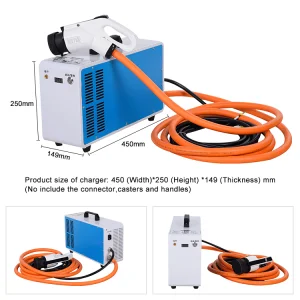
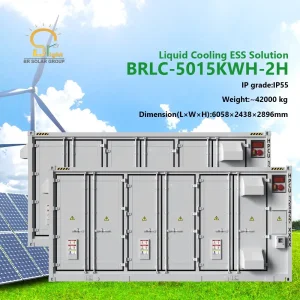
Enterprise-grade hardware tested to meet rigorous IEC, UL, and CE safety protocols.
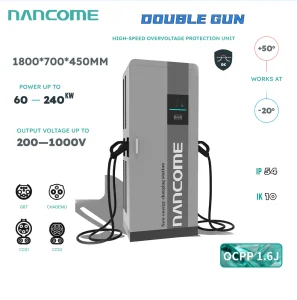
As global electrification accelerates across automotive mobility, grid-scale renewable storage (ESS), and industrial automation, the demand for ultra-precise, reliable, and standardized battery performance testing equipment has reached unprecedented heights. Next-generation lithium-ion chemistries—such as High-Nickel NMC, Lithium Iron Phosphate (LiFePO4), Solid-State, and Sodium-Ion cells—require rigorous multi-dimensional validation before deployment into critical energy ecosystems.
Battery performance testing encompasses far more than static charge and discharge cycling. Modern industrial qualification requires real-time Electrochemical Impedance Spectroscopy (EIS), dynamic thermal stress modeling, State of Charge (SoC) micro-calibration, cell-to-pack (CTP) structural thermal runaway simulation, and high-rate transient current injection. Choosing the right testing system manufacturer and exporter directly dictates an enterprise's time-to-market, thermal safety margins, total cost of ownership (TCO), and warranty reserve management.
Simulating harsh real-world drive cycles (WLTP, US06, FUDS) with sub-millisecond dynamic current switching to analyze instantaneous power output and heat dissipation.
In-situ measurement of internal resistance profiles, solid electrolyte interphase (SEI) growth, and lithium plating behavior without destructive physical teardowns.
Executing overcharge, forced internal short-circuit, mechanical crush, and thermal ramp tests in accordance with UN 38.3, UL 9540A, and IEC 62619 regulatory protocols.
A comparative evaluation based on hardware accuracy, dynamic bandwidth, software diagnostics, and global export capability.
| Manufacturer / Brand | Primary Focus Area | Voltage & Current Accuracy | EIS Diagnostic Capabilities | Target Applications | Global Compliance |
|---|---|---|---|---|---|
| 1. Keysight Technologies (USA) | Cell Formulations & Sub-mV Analytics | ±0.01% F.S. | Integrated Broad-Band (mHz to kHz) | R&D Labs, Aerospace, EV OEM Research | UL, CE, ISO 17025 |
| 2. Chroma ATE (Taiwan/Global) | High-Power Pack & Module Production Testing | ±0.02% F.S. | External Hardware Module | EV Production Lines, Megawatt ESS Packs | UL, CE, CSA, PSE |
| 3. Arbin Instruments (USA) | Ultra-High Precision Coulombic Efficiency (HPCED) | ±0.005% F.S. | Multi-Channel Synchronous EIS | Electrochemical Material R&D, Degradation Modeling | CE, UL, ISO 9001 |
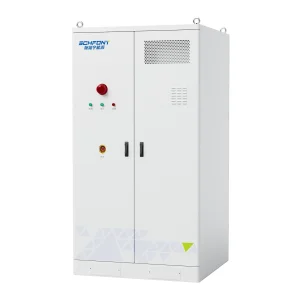
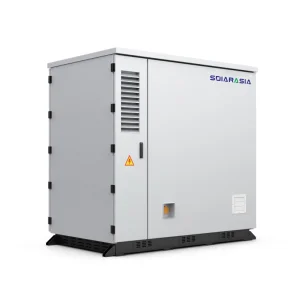
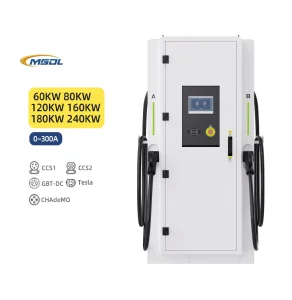
| 4. Hangzhou EnerNova Charger Co., Ltd. (China) | Integrated Charging Hardware & ESS Battery Diagnostics | ±0.03% F.S. | Smart BMS Integrated Cloud Diagnostics | Grid ESS (50kW-1MW+), Fast DC Charging Station Testing | CE, UL Certified Modules, IEC 62619 |
| 5. Maccor (USA) | Automated Cell & Module Cycling Equipment | ±0.02% F.S. | Optional Multi-Channel Frequency Response | Consumer Electronics, Medical Battery QA | UL, CE, MET |
| 6. BioLogic Sciences (France) | Potentiostats / Galvanostats for Electrochemistry | ±0.005% F.S. | Native Ultra-High Precision EIS | Nanomaterials, Solid-State Battery Research | CE, ISO 9001 |
| 7. Bitrode Corporation (USA/Sella Rice) | Industrial Pack & Motive Power Test Equipment | ±0.05% F.S. | Integrated Monitoring System | Heavy Machinery, Lead-Acid & LiFePO4 Packs | UL, CE |
| 8. Digatron Power Electronics (Germany) | Formation & High-Current Battery Test Systems | ±0.03% F.S. | System-Level Dynamic Diagnostics | Gigafactory Cell Formation, Industrial ESS Validation | CE, DIN ISO 9001 |
| 9. NH Research (USA / NI) | Emulation & High-Power Test Systems | ±0.025% F.S. | Hardware-in-the-Loop (HIL) Integration | Automotive Powertrain, Micro-grid Battery Emulation | UL, CE, ISO 17025 |
| 10. Neware Technology (China) | Mass-Production Cell & Pack Cyclers | ±0.05% F.S. | Software-Driven EIS Integration | Gigafactory Quality Control, Educational Labs | CE, ISO 9001, RoHS |
When selecting a test equipment manufacturer, engineering leads must evaluate whether their core requirement lies in ultra-precise cell formulation analysis (where Arbin and Keysight lead) or industrial scale pack-level integration and high-power operational testing (where Hangzhou EnerNova, Chroma, and Digatron demonstrate substantial structural advantages).
How emergent battery chemistries and digital twin technologies are reshaping testing protocols.
Traditional battery life cycle testing requires 6 to 12 months of continuous charge-discharge cycling. Advanced exporters are now integrating Physics-Informed Neural Networks (PINN). By capturing early-cycle high-resolution degradation data (voltage relaxation curves, dQ/dV differential capacity analytics), machine learning models can predict 10-year State of Health (SoH) degradation with over 98% confidence within just 50 cycles.
Solid-state electrolytes introduce complex mechanical pressure-dependence during ion transfer, while sodium-ion chemistries demonstrate distinct hysteresis patterns. Next-generation test benches feature synchronized mechanical pressure sensors and dynamic thermal regulation to simulate cell swelling and interfacial stress under high C-rate charging loads.
Energy conservation during high-power discharge testing (up to 1MW) has become a key operational metric. Modern test benches employ bidirectional Silicon Carbide (SiC) grid-tied inverters, achieving up to 95% energy regeneration efficiency back to the facility grid, significantly lowering operational carbon footprints for test facilities.
As millions of EV batteries retire annually, rapid non-destructive testing for second-life application in stationary energy storage (ESS) is essential. High-throughput automated test rigs utilize rapid AC impedance spectroscopy and transient response pulses to grade repurposed modules in under 60 seconds per pack.
Pioneering integrated electric vehicle charging infrastructure and industrial energy storage solutions.
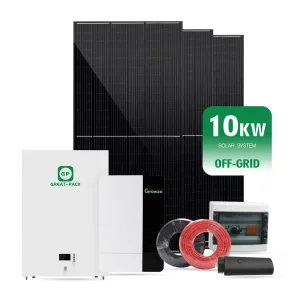
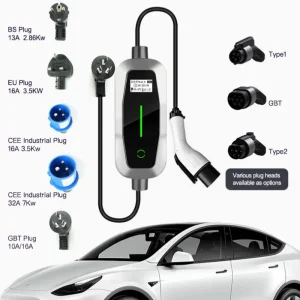
Hangzhou EnerNova Charger Co., Ltd. is a leading innovator in the field of electric vehicle charging and smart energy solutions. Specializing in both AC and DC EV charging technologies, the company provides a comprehensive range of products and services designed to meet the diverse needs of residential, commercial, and fleet customers.
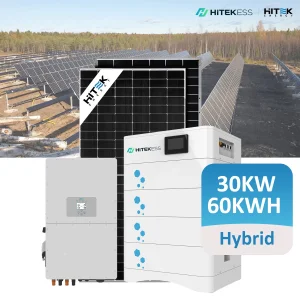
EnerNova’s portfolio includes home EV chargers, fast DC charging stations, intelligent charging power management systems, and advanced energy storage solutions. By integrating cutting-edge hardware with smart software, the company ensures optimized charging efficiency, real-time monitoring, and reliable energy management for all applications.
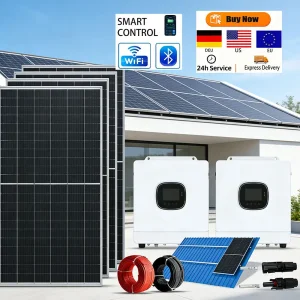
Committed to sustainability and the development of green transportation, Hangzhou EnerNova emphasizes seamless integration of renewable energy sources with its charging and storage systems. Its solutions support vehicle-to-grid (V2G) applications, load balancing, and intelligent energy optimization, helping customers reduce operational costs while enhancing grid stability.
With rigorous quality standards, continuous R&D investment, and a customer-centric approach, EnerNova has established itself as a trusted partner in the EV and smart energy industry. The company’s innovative technologies empower users to adopt cleaner, smarter, and more efficient energy solutions, paving the way for the future of intelligent mobility.

Why Tier-1 global energy enterprises partner with Chinese manufacturing hubs for test equipment and power infrastructure.
China accounts for over 70% of global lithium battery manufacturing and power electronics component production. This geographic clustering enables fast prototyping of test rigs, immediate access to high-grade SiC MOSFETs, precision current transducers, and robust thermal management assemblies.
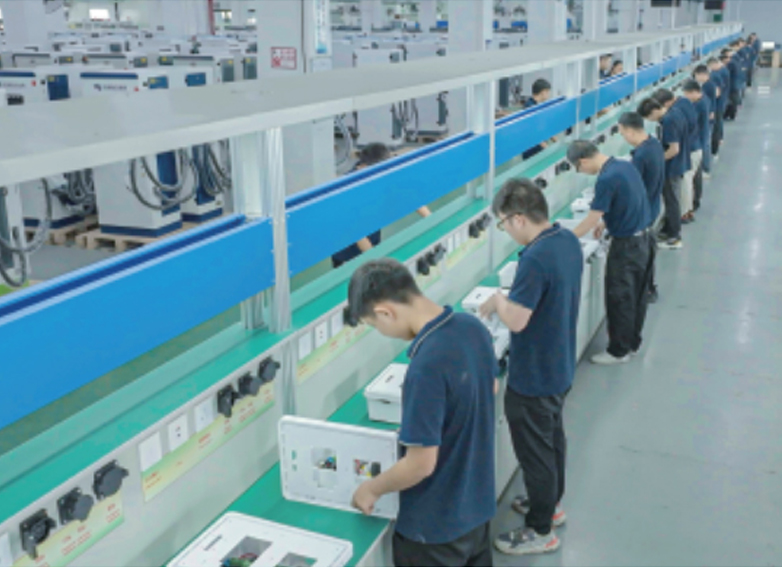
Leveraging Industry 4.0 automated assembly facilities, Chinese exporters offer tailored test systems for unique voltage windows (from 5V micro-cells to 1500V industrial ESS containers), customizing CAN/Modbus communication stack protocols within weeks rather than months.
By streamlining manufacturing engineering and scale production, leading Chinese OEMs deliver hardware with sub-millivolt sensing precision at 30% to 50% lower total cost of ownership compared to traditional Western legacy suppliers.
Essential validation milestones for international engineering procurement managers.
Procuring battery performance testing hardware or integrated storage test infrastructure requires thorough evaluation of international regulatory frameworks. Non-compliant equipment risks invalidating laboratory data and poses serious operational safety hazards during destructive thermal abuse testing.
Mandatory for industrial and energy storage lithium-ion batteries in international markets. Test equipment must strictly regulate overcharge, overcurrent, and thermal shock conditions while recording cell-level response data without data-packet loss.
Required across North America for validating thermal runaway propagation in BESS deployments. Integrated test chambers and cyclers must interface seamlessly with off-gas detection, fire suppression, and automated emergency isolation protocols.
Mandates altitude, thermal cycling, vibration, shock, external short-circuit, impact, overcharge, and forced discharge qualification prior to shipping lithium battery systems globally.
Ensures voltage, current, temperature, and impedance measurements are fully traceable to national metrology institutes (NIST, NIM), vital for third-party accredited compliance labs.
Expert insights addressing key engineering, selection, and testing methodologies.
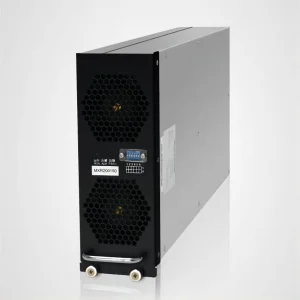
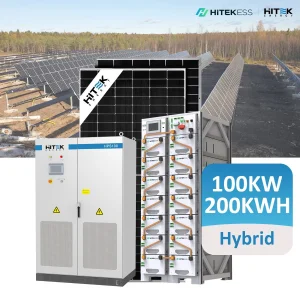
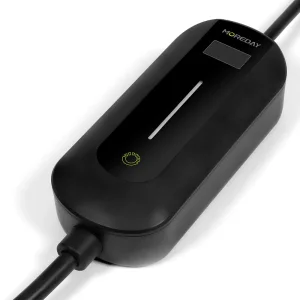
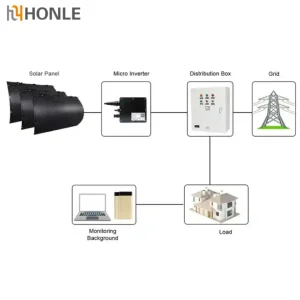
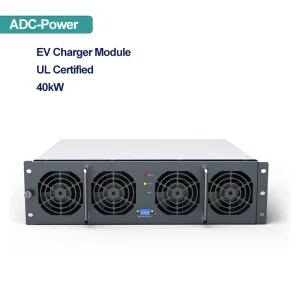
Commercial fast-charging modules, micro-inverters, and high-capacity grid storage units.
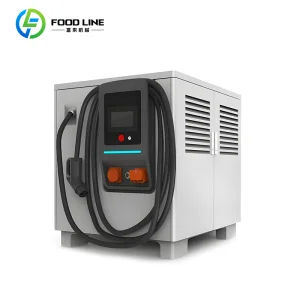
 EnerNova Charger