As the world accelerates its transition toward electric mobility, a secondary challenge arises: what happens to electric vehicle (EV) batteries when they reach the end of their automotive life? This has birthed the "Second Life Battery Storage" industry—a cornerstone of the circular economy. Even when an EV battery drops to 70-80% of its original capacity, it remains a powerhouse for stationary applications. In 2024, the global market for repurposed batteries is seeing an unprecedented surge, driven by the need for cost-effective energy storage solutions (ESS) and environmental sustainability.
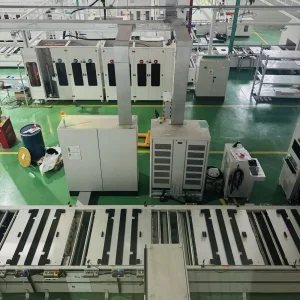
Leading manufacturers in China, including Hangzhou EnerNova Charger Co., Ltd., are at the forefront of this technological shift. We don't just "reuse" batteries; we "re-engineer" them. Through advanced diagnostics, module grading, and integrated Battery Management Systems (BMS), we transform retired automotive cells into high-performance industrial and residential energy storage systems.
Remaining Capacity Repurposed
Lower Environmental Impact
Cost Reduction vs New Batteries
Extended Service Life
Corporations worldwide are under immense pressure to meet Environmental, Social, and Governance (ESG) goals. Utilizing second-life batteries directly supports a circular economy, allowing companies to claim significant carbon offsets. This is particularly crucial for data centers, telecommunication giants, and large-scale manufacturing plants.
With the volatility of renewable energy sources like wind and solar, energy storage is no longer optional. Second-life systems provide the perfect buffer for "peak shaving"—storing energy when prices are low and discharging it during peak demand. This trend is becoming the standard for commercial buildings across Europe and North America.
The latest trend involves AI-driven BMS that can predict the State of Health (SOH) of each cell in real-time. This ensures that even in a repurposed system, reliability is never compromised.
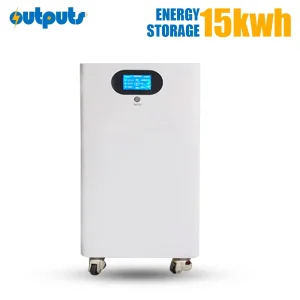
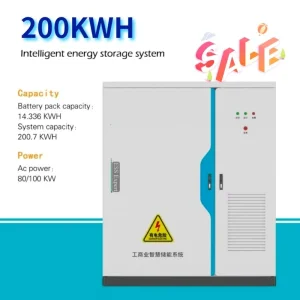
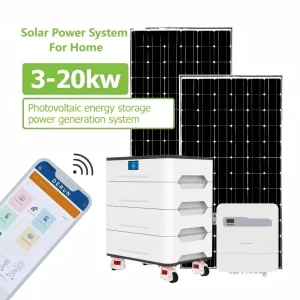
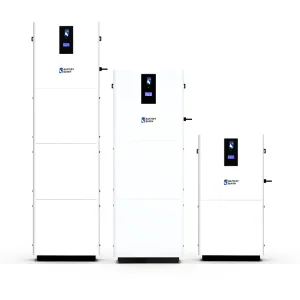
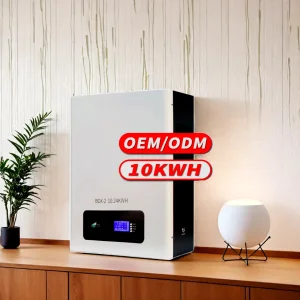
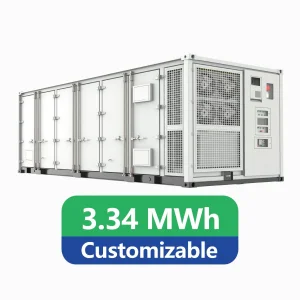
Procurement managers now demand systems that grow with them. Our modular designs allow for easy expansion from a 5kWh home unit to a 1MWh containerized industrial solution.
China remains the global powerhouse for battery technology and supply chain management. Sourcing second-life battery storage from China offers several distinct advantages that are hard to replicate elsewhere:
Access to the world's largest pool of retired EV batteries means we can select only the highest-grade cells for our storage systems.
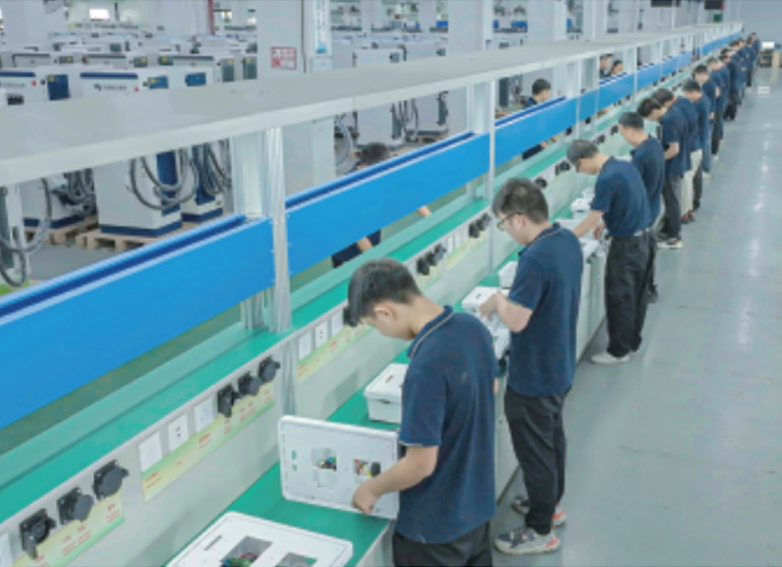
Our integrated manufacturing processes in Hangzhou allow us to offer high-tech solutions at a fraction of the cost of Western competitors.
The pace of R&D in China's "Silicon Valley of Power" is relentless. We integrate the latest V2G and liquid cooling technologies before they hit the global mainstream.
From IP65-rated split designs for humid climates to containerized BESS for remote mining sites, our products are engineered for localized global deployment.
Our Second Life systems are currently deployed in diverse environments:
Hangzhou EnerNova Charger Co., Ltd. is a leading innovator in the field of electric vehicle charging and smart energy solutions. Specializing in both AC and DC EV charging technologies, the company provides a comprehensive range of products and services designed to meet the diverse needs of residential, commercial, and fleet customers.
EnerNova’s portfolio includes home EV chargers, fast DC charging stations, intelligent charging power management systems, and advanced energy storage solutions. By integrating cutting-edge hardware with smart software, the company ensures optimized charging efficiency, real-time monitoring, and reliable energy management for all applications.
Committed to sustainability and the development of green transportation, Hangzhou EnerNova emphasizes seamless integration of renewable energy sources with its charging and storage systems. Its solutions support vehicle-to-grid (V2G) applications, load balancing, and intelligent energy optimization, helping customers reduce operational costs while enhancing grid stability.

 EnerNova Charger