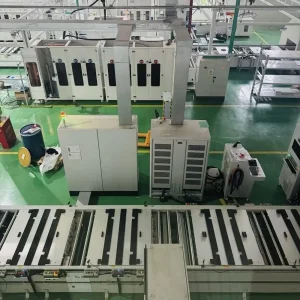
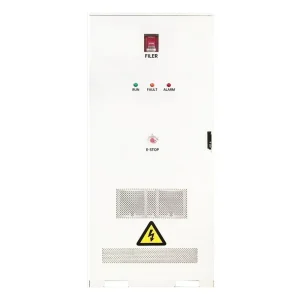
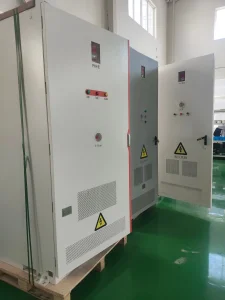
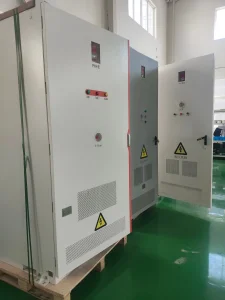
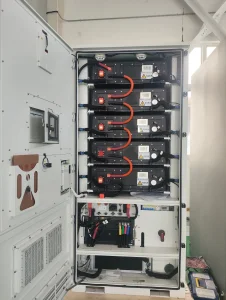
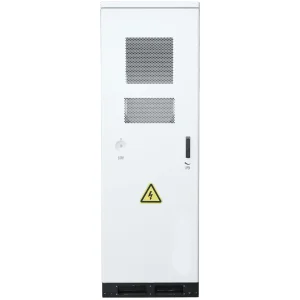
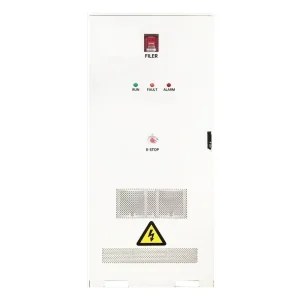
Advanced Commercial & Industrial Battery Systems Ready for Global Export
As the world pivots toward a decentralized and decarbonized energy grid, Energy Arbitrage Systems have emerged as the cornerstone of modern industrial economic strategy. In simple terms, energy arbitrage involves storing electricity when prices are low (usually during off-peak hours or when renewable generation is high) and discharging it when prices skyrocket during peak demand.
In regions like North America, Europe, and Southeast Asia, volatile energy markets are driving massive investment in Battery Energy Storage Systems (BESS). For a manufacturing plant or a data center, the difference between peak and off-peak electricity rates can be as high as 500%. By implementing a China-manufactured high-performance BESS, enterprises can automate this financial optimization, transforming energy from a fixed cost into a strategic asset.
Lithium Iron Phosphate (LFP) technology is now the industry standard for energy arbitrage due to its superior safety profile, long cycle life (over 6000 cycles), and thermal stability.
Advanced Energy Management Systems (EMS) now use machine learning to predict weather patterns and grid demand, optimizing charging schedules for maximum ROI.
Vehicle-to-Grid technology is merging with stationary storage, allowing commercial EV fleets to act as secondary batteries for building energy arbitrage.
International buyers—ranging from EPC contractors to industrial facility managers—are looking for more than just hardware. They require integrated solutions that offer:
High-energy machinery creates significant peak demand charges. Our Wres-Ci series helps printing plants and auto parts factories shave these peaks, resulting in immediate monthly utility bill savings.
Beyond arbitrage, hospitals require 100% uptime. Our grid-tied systems provide seamless backup power while simultaneously performing cost-optimization routines during normal operation.
Solar and wind energy are intermittent. Our arbitrage systems "firm" this energy, storing excess mid-day solar production to be sold at a premium during the evening peak.

Hangzhou EnerNova Charger Co., Ltd. is a leading innovator in the field of electric vehicle charging and smart energy solutions. Specializing in both AC and DC EV charging technologies, the company provides a comprehensive range of products and services designed to meet the diverse needs of residential, commercial, and fleet customers.
EnerNova’s portfolio includes home EV chargers, fast DC charging stations, intelligent charging power management systems, and advanced energy storage solutions. By integrating cutting-edge hardware with smart software, the company ensures optimized charging efficiency, real-time monitoring, and reliable energy management for all applications.
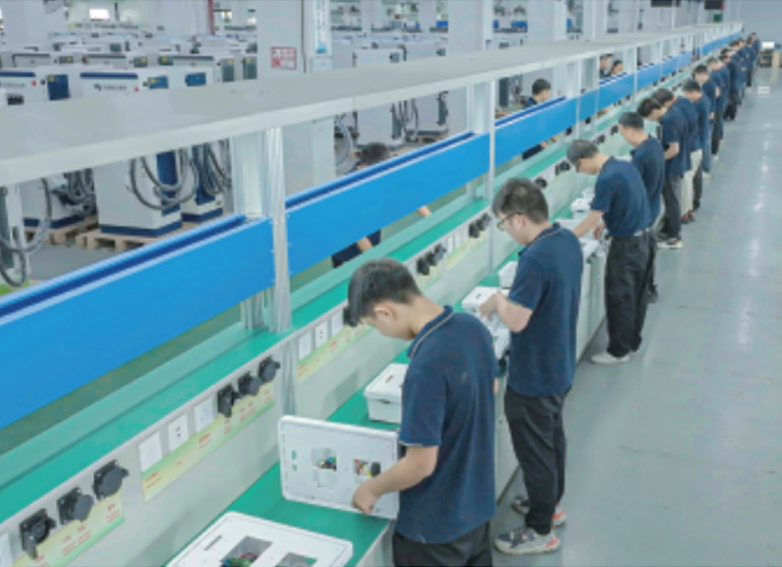
Committed to sustainability and the development of green transportation, Hangzhou EnerNova emphasizes seamless integration of renewable energy sources with its charging and storage systems. Its solutions support vehicle-to-grid (V2G) applications, load balancing, and intelligent energy optimization, helping customers reduce operational costs while enhancing grid stability.
With rigorous quality standards, continuous R&D investment, and a customer-centric approach, EnerNova has established itself as a trusted partner in the EV and smart energy industry. The company’s innovative technologies empower users to adopt cleaner, smarter, and more efficient energy solutions, paving the way for the future of intelligent mobility.
Based in China's tech hubs, we have direct access to raw lithium materials and battery cell production, ensuring unbeatable lead times and cost efficiency.
Our engineers can iterate designs in weeks, not months. We customize BESS enclosures (IP54/IP67) to withstand extreme local environments from deserts to coastal areas.
We handle all international shipping logistics, dangerous goods (Class 9) battery certifications, and provide remote technical support for global commissioning.
High-Efficiency Solutions for Manufacturing, Telecommunications, and Commercial Grids
 EnerNova Charger