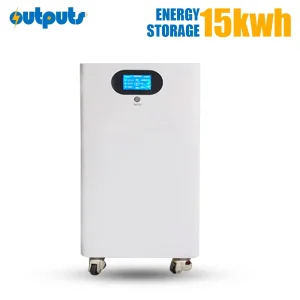
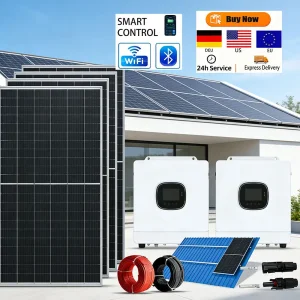
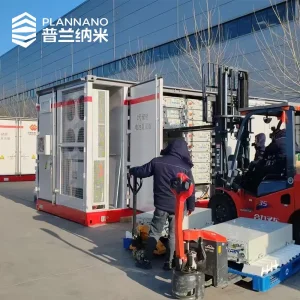
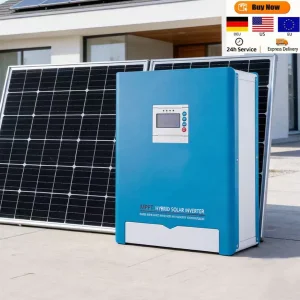
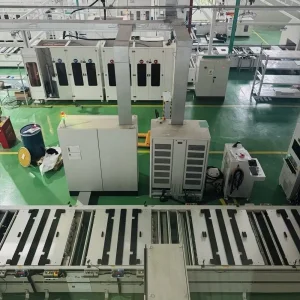
In the rapidly evolving global energy landscape, Flywheel Energy Storage (FES) technology has emerged as a critical pillar for stabilizing power grids and ensuring uninterruptible power for high-tech industries. Unlike chemical batteries, flywheels store energy kinetically in a rotating mass, offering virtually unlimited cycle life and instantaneous response times.
Currently, the market is witnessing a massive shift toward FES for Frequency Regulation and Voltage Support. In North America and Europe, large-scale flywheel arrays are being deployed to balance the intermittency of wind and solar power. As a leading manufacturer in China, we are at the forefront of this revolution, providing wholesale solutions that bridge the gap between traditional power generation and a renewable future.
From data centers requiring 24/7 uptime to heavy manufacturing plants sensitive to micro-fluctuations in power, flywheel systems are the preferred choice for mission-critical infrastructure. Their ability to operate in extreme temperatures without degradation makes them superior for harsh industrial environments.

Years of R&D Excellence
System Efficiency
Charging Cycles Life
Global Export Countries
The integration of active magnetic bearings is reducing friction to near-zero levels, allowing flywheels to spin at speeds exceeding 50,000 RPM in a vacuum, dramatically increasing energy density and standby efficiency.
A major trend is the "Flywheel + Lithium" hybrid approach. Flywheels handle the high-frequency, short-duration power bursts, while batteries manage long-duration energy needs, extending the overall system lifespan by 300%.
Smart monitoring systems now use AI to predict maintenance needs and optimize the charging/discharging cycles based on real-time grid pricing and demand forecasts.
Hangzhou EnerNova Charger Co., Ltd. is a leading innovator in the field of electric vehicle charging and smart energy solutions. Specializing in both AC and DC EV charging technologies, the company provides a comprehensive range of products and services designed to meet the diverse needs of residential, commercial, and fleet customers.
EnerNova’s portfolio includes home EV chargers, fast DC charging stations, intelligent charging power management systems, and advanced energy storage solutions. By integrating cutting-edge hardware with smart software, the company ensures optimized charging efficiency, real-time monitoring, and reliable energy management for all applications.
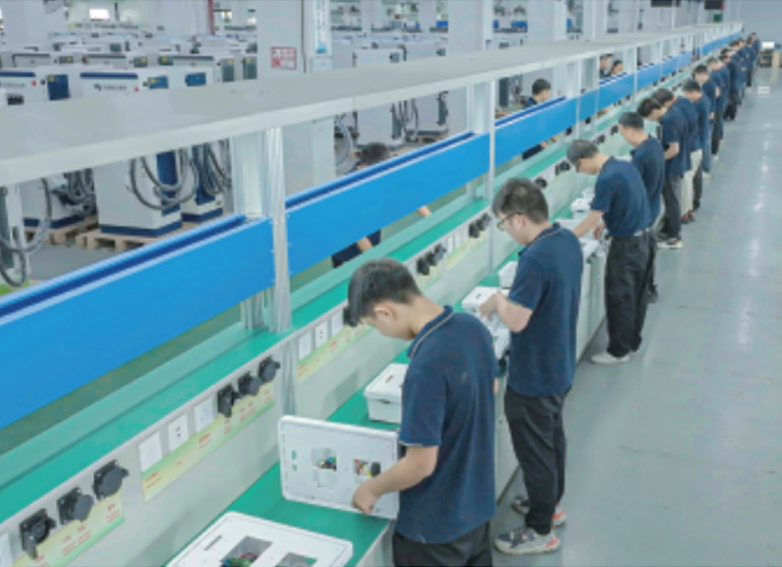
Committed to sustainability and the development of green transportation, Hangzhou EnerNova emphasizes seamless integration of renewable energy sources with its charging and storage systems. Its solutions support vehicle-to-grid (V2G) applications, load balancing, and intelligent energy optimization, helping customers reduce operational costs while enhancing grid stability.
With rigorous quality standards, continuous R&D investment, and a customer-centric approach, EnerNova has established itself as a trusted partner in the EV and smart energy industry. The company’s innovative technologies empower users to adopt cleaner, smarter, and more efficient energy solutions, paving the way for the future of intelligent mobility.
Worldwide, procurement officers are shifting away from lead-acid and lithium for specific applications due to environmental concerns and fire safety. Flywheel systems are 100% recyclable and pose no fire risk, making them the "Green Choice" for government tenders and ESG-focused corporations.
As a premier China Flywheel Energy Storage Manufacturer, we offer unmatched advantages:
To truly understand why China Wholesale Flywheel Energy Storage Manufacturers are gaining traction, one must look at the physics. Flywheel energy storage works by accelerating a rotor to a very high speed and maintaining the energy in the system as rotational energy. When energy is extracted from the system, the flywheel's rotational speed is reduced; adding energy to the system correspondingly results in an increase in the speed of the flywheel.
Chemical batteries like Lithium-ion or Lead-acid degrade with every charge-discharge cycle. Most flywheel systems can handle over 100,000 full depth-of-discharge cycles without any loss in performance. This makes the Total Cost of Ownership (TCO) over a 20-year period significantly lower than battery-based systems which require replacement every 5-7 years.
Unlike chemical batteries, flywheels do not use hazardous materials such as lead, cadmium, or lithium. There is no risk of thermal runaway or fire, which is a major concern for indoor installations in data centers and high-rise buildings. For exporters and global distributors, this means simpler shipping logistics as flywheels are not classified as hazardous "Class 9" dangerous goods.
As more renewable energy sources like solar and wind are added to the grid, frequency stability becomes a challenge. Flywheels can transition from full discharge to full charge in milliseconds. This rapid response is essential for Frequency Response (FR) and Synthetic Inertia, providing the grid with the "buffer" it needs to prevent blackouts when a cloud passes over a massive solar farm or the wind suddenly stops.
China has invested heavily in carbon-neutral technologies. Our factories leverage advanced material science—specifically high-strength carbon fiber composites and superconducting magnetic bearings—to produce flywheels that are both lighter and more powerful. By sourcing directly from a China Flywheel Energy Storage Manufacturer, global exporters benefit from direct factory pricing, expedited R&D cycles, and the ability to customize enclosures for specific environmental conditions, whether it's the high humidity of Southeast Asia or the extreme heat of the Middle East.
In conclusion, the future of industrial energy storage is moving toward mechanical kinetic systems for short-burst power applications. Whether you are a utility provider looking for grid stabilization or a commercial facility seeking the ultimate UPS solution, our range of flywheel and high-cycle LFP products provides the reliability and performance required in the AI-driven 21st century.
 EnerNova Charger