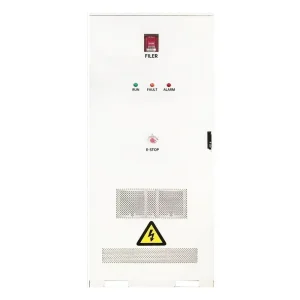
As the world transitions toward a decarbonized economy, the role of Peak Shaving Battery Systems has evolved from a niche technology to a cornerstone of modern industrial strategy. Global electricity markets are increasingly adopting tiered pricing, where peak-demand charges can account for up to 50% of a commercial facility's monthly utility bill. In this context, Hangzhou EnerNova Charger Co., Ltd. stands as a premier China Wholesale Peak Shaving Battery Systems Manufacturer, providing the technical infrastructure needed to mitigate costs and stabilize the grid.
Our systems utilize high-density Lithium Iron Phosphate (LFP) technology to store energy during off-peak hours—when electricity is abundant and inexpensive—and discharge it during periods of maximum demand. This "arbitrage" not only saves money but also protects equipment from voltage fluctuations and grid instability.
Utilities globally are shifting toward "demand-based" billing. Large enterprises in Europe, North America, and Southeast Asia are seeking BESS (Battery Energy Storage Systems) to flatten their load profiles and avoid excessive surcharges.
The rise of onsite solar PV requires sophisticated storage to handle intermittency. Our peak shaving systems act as a buffer, ensuring solar energy is used when it provides the most financial value.
Modern procurement demands "Smart BESS." Our integration of AI algorithms allows for predictive load management, anticipating peak events before they occur based on historical data and weather patterns.
The global demand for energy storage is projected to reach over 400 GWh by 2030. This growth is driven by the need for grid resilience and the electrification of transportation. As a dedicated manufacturer, we bridge the gap between high-end R&D and affordable wholesale supply, ensuring that businesses of all sizes—from exhibition halls to wind farms—can access Tier-1 energy storage technology.

Enterprises aren't just looking for "a battery"; they are looking for a tailored energy ecosystem. Depending on the region, the requirements vary:
Located in the heart of China’s high-tech manufacturing hub, EnerNova combines logistical excellence with cutting-edge energy research. As a Peak Shaving Battery Systems Supplier, we offer more than just hardware.
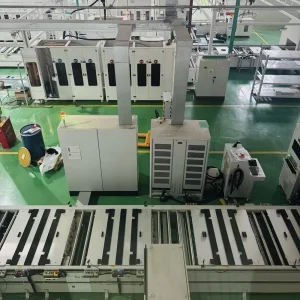
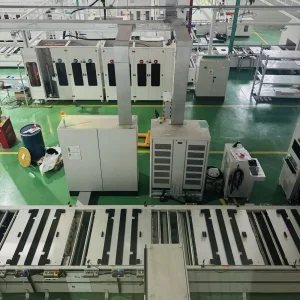
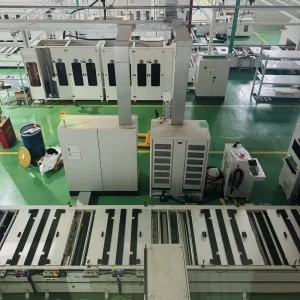
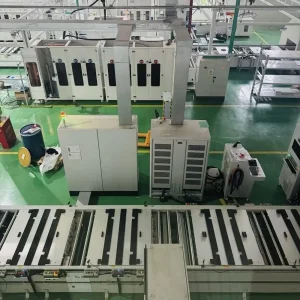
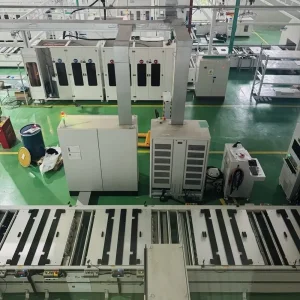
Our facility uses automated assembly lines ensuring millisecond-level precision in cell balancing and thermal management system integration.
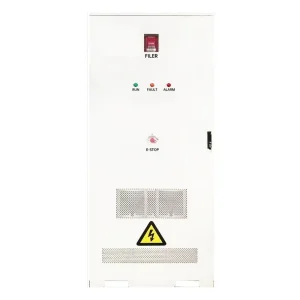
Equipped with multi-stage protection (over-voltage, over-current, thermal runaway), our systems meet the most stringent international certifications.
By controlling the entire supply chain—from inverter integration to EMS software—we provide cost-effective solutions without middleman markups.
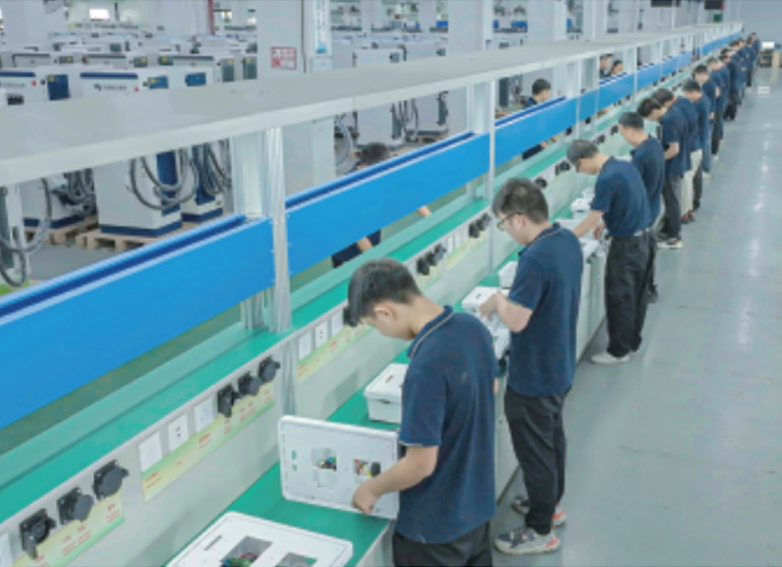
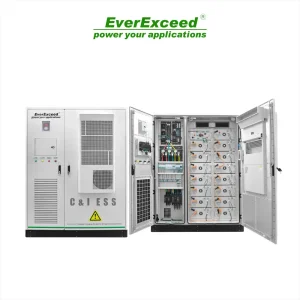
The technical architecture of a China-manufactured Peak Shaving System typically consists of four main layers: the Battery Module (LFP), the Power Conversion System (PCS), the Battery Management System (BMS), and the Energy Management System (EMS). At EnerNova, we have optimized the synergy between these layers to provide a round-trip efficiency exceeding 90%.
For a typical 1MW industrial facility, the implementation of a 500kWh battery system can result in an ROI of 3 to 5 years depending on local electricity rates. By discharging the battery during the facility's highest 15-minute usage window, the "Peak Demand" recorded by the utility company is lowered, resulting in immediate savings on the fixed portion of the electric bill. This is often referred to as "Demand Charge Management."
Beyond simple cost savings, these systems are increasingly used for "Grid Services." In many regions (e.g., the UK, California, Australia), BESS owners can participate in Frequency Regulation markets, earning revenue by helping the grid maintain its 50Hz or 60Hz balance. Our systems are fully compatible with V2G (Vehicle-to-Grid) and G59/G99 grid codes, making them a future-proof investment for global distributors.
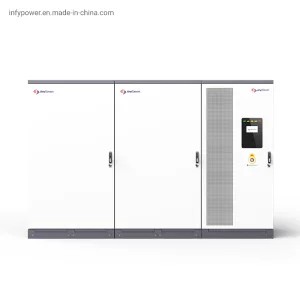
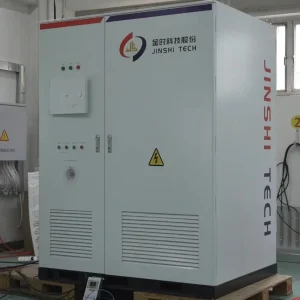
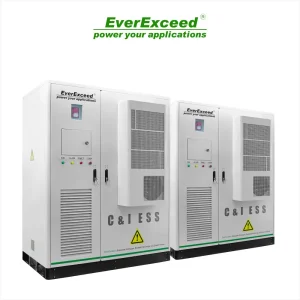
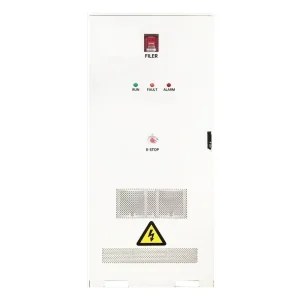
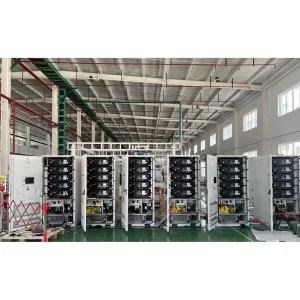
Whether you are an EPC contractor looking for a reliable supplier or a factory owner seeking to reduce overhead, our modular designs—ranging from 100kWh cabinets to multi-MWh containerized units—provide the flexibility to scale as your energy needs grow.
 EnerNova Charger