Engineered by leading Chinese manufacturing centers to support global distribution and massive infrastructure installations.
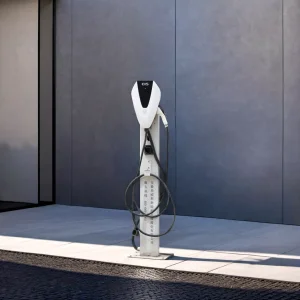
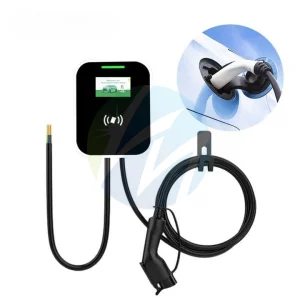
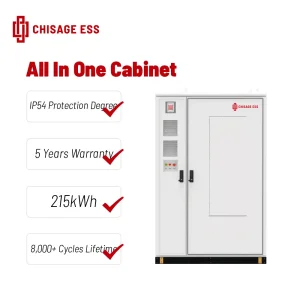
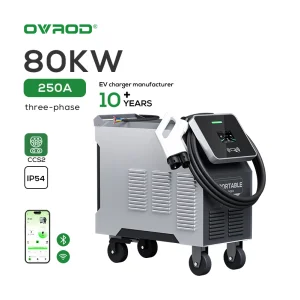
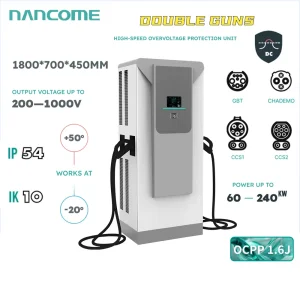
Hangzhou EnerNova Charger Co., Ltd. is a leading innovator in the field of electric vehicle charging and smart energy solutions. Specializing in both AC and DC EV charging technologies, the company provides a comprehensive range of products and services designed to meet the diverse needs of residential, commercial, and fleet customers globally.
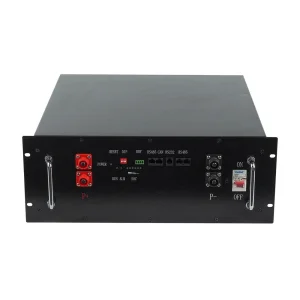
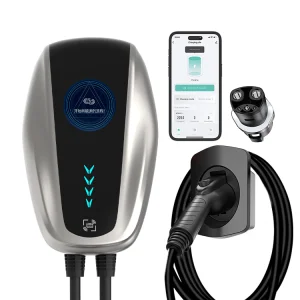
EnerNova’s portfolio includes home EV chargers, fast DC charging stations, intelligent charging power management systems, and advanced energy storage solutions. By integrating cutting-edge hardware with smart software, the company ensures optimized charging efficiency, real-time monitoring, and reliable energy management for all applications.
Committed to sustainability and the development of green transportation, Hangzhou EnerNova emphasizes seamless integration of renewable energy sources with its charging and storage systems. Its solutions support vehicle-to-grid (V2G) applications, load balancing, and intelligent energy optimization, helping customers reduce operational costs while enhancing grid stability.
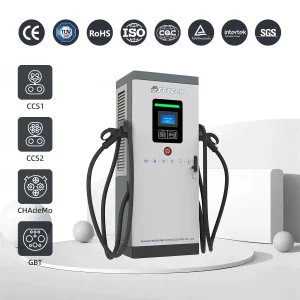
Engineered to meet CE, RoHS, UL, FCC, and TUV standards, assuring trouble-free imports and local electrical compliance.
Custom branding, dynamic load balancing algorithms, and bespoke enclosure styling tailored for B2B exporters.

Understanding the massive macro shift in global EV charging systems and grid demands.
Logistics operators, taxi aggregators, and municipal transport networks are transitioning rapidly to electric propulsion. This pivot has triggered a critical need for localized, compact AC and DC charging facilities. Fleet depots require space-efficient chargers that can deliver robust continuous power without occupying extensive premium real estate. Standardizing on high-density power modules allows logistics hubs to double their charging node density relative to conventional charger enclosures.
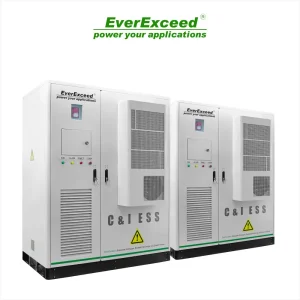
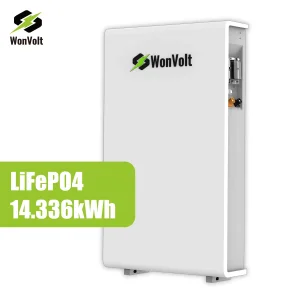
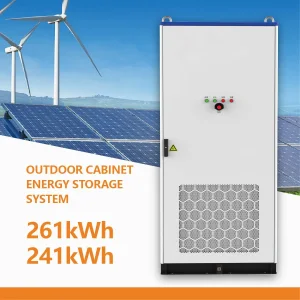
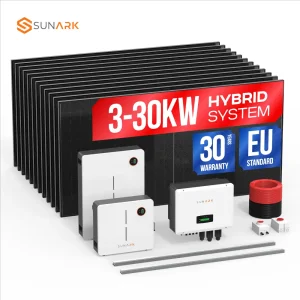
Grid capacity constraints are the single largest bottleneck to rapid commercial EV deployment. By linking compact EV chargers to smart Energy Storage Systems (ESS), operators can implement localized Peak Shaving. Modern EV hardware must align directly with clean energy inputs such as commercial solar arrays and static battery packs. This integration cushions the local transformer station from extreme demand peaks while facilitating dynamic retail arbitrage of electricity.
Where compact and smart charging hardware resolves real-world infrastructure constraints.
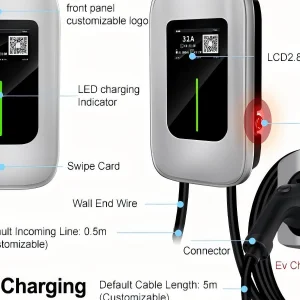
Urban apartment complexes and multi-dwelling units (MDUs) suffer from severe electrical allocation limits. With space-saving wallboxes mounted on tight parking bays, operators use Dynamic Load Balancing (DLB) to safely cycle power across up to 32 vehicles simultaneously on a single shared utility panel.
Corporate offices deploy compact dual-port chargers to maximize workplace perks. By integrating employees' badges via customized RFID authentication or app-based control, facilities management tracks energy usage, monitors individual carbon credits, and automatically bills user accounts based on exact power draw.
Electric courier fleets utilize compact fast-chargers to replenish small delivery vehicles within tight schedules. Portable and wall-mountable DC units provide maximum flexibility, allowing quick positioning at loading bays to charge vehicles while loading parcels, optimizing routing and reducing fleet downtime.
The technological innovations driving the evolution of compact charging infrastructure.
The trajectory of EVSE (Electric Vehicle Supply Equipment) development focuses heavily on efficiency, size minimization, and bidirectional grid services. Compact chargers are no longer basic electrical terminals; they are complex power processing machines.
Hardware compatibility is paramount. Our compact chargers undergo exhaustive validation loops matching multiple communication protocols to guarantee reliable operation worldwide.
| Protocol | Scope | Capabilities |
|---|---|---|
| OCPP 1.6J | Cloud Connectivity | Smart charging profiles, status reporting, firmware updates. |
| OCPP 2.0.1 | Next-Gen Cloud | Enhanced security, complex device management, display message customizing. |
| Modbus TCP/RTU | Local Automation | Direct integration with local building management systems (BMS) and solar inverters. |
| ISO 15118-20 | Vehicle-to-Charger | Advanced V2G, bi-directional AC/DC charging negotiation, dynamic grid balancing. |
How our integrated factory ecosystem delivers unmatched reliability and cost competitiveness.
By leveraging localized sourcing hubs in Zhejiang and Guangdong, we bypass international raw material bottlenecks. From high-grade copper coils for internal power transformers to UV-stabilized engineering plastics for robust outer shells, our factories source materials with zero lead-time disruption.
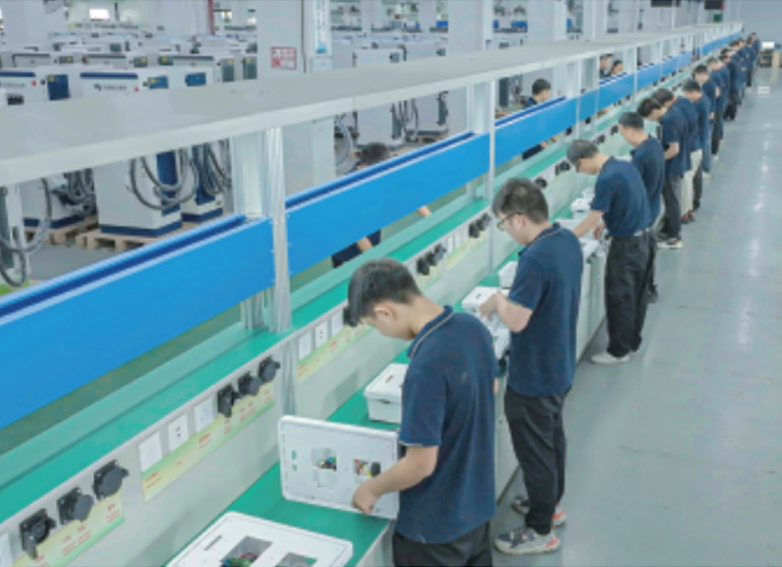
Our production facilities feature high-speed Surface Mount Technology (SMT) lines to manufacture charger controller motherboards. Automated Optical Inspection (AOI) coupled with real-time in-circuit testing guarantees electrical integrity before chargers proceed to finalized assembly.
Prior to packing, 100% of manufactured EVSE units undergo a continuous 4-hour burn-in cycles under full thermal load in dedicated environmental testing chambers. This process allows us to achieve a field failure rate of under 0.2%, far exceeding global industry benchmarks.
Providing seamless regulatory clearance and field-readiness for international markets.
Electrical distributions vary dramatically across global markets. North America relies heavily on split-phase systems (120V/240V), while European commercial sites require robust three-phase installations (400V). Our compact chargers feature configurable grid layouts, auto-sensing input modules, and wide frequency tolerance (45Hz–65Hz) to integrate with local utility profiles.
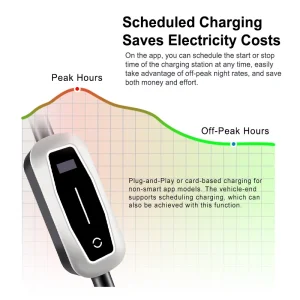
We support importers with custom firmware adjustments, ensuring default charging settings match target region guidelines, such as UK Smart Charging Regulations, including random delay capabilities and default off-peak scheduling.
Direct engineering answers to technical queries from distributors, EPC contractors, and procurement managers.
High-performance energy equipment tailored for industrial deployment and fleet management.
 EnerNova Charger