Deploy high-performance, certified electric vehicle charging infrastructure and industrial battery systems directly from our modern factory.
Decarbonizing industrial transport corridors and municipal infrastructure via intelligent load management and dynamic grid-tied ecosystems.
The transition toward electric mobility is no longer merely an environmental imperative, but a fundamental restructuring of the global electrical grid. Industrial enterprises, public transport fleets, and multi-tenant commercial facilities are shifting rapid-charging requirements from moderate kilowatts to multi-megawatt configurations. As high-power DC fast-charging arrays proliferate, they introduce significant technical stresses to traditional electrical sub-transmission topologies, including intense peak demands, harmonic distortions, and transient load spikes.
As a leading China Electric Vehicle Charging Stations Factory & Supplier, our core engineering philosophy bridges the gap between massive energy delivery and system safety. We construct multi-tiered infrastructure arrays that integrate local battery energy storage (BESS), solar photovoltaic microgrids, and dynamic grid-balancing systems. By leveraging sub-millisecond power response protocols and optimized thermal management systems, our chargers and grid-tied systems maximize local grid capacity while avoiding expensive utilities infrastructure upgrades. Our overarching solutions support clean, carbon-neutral supply lines across Europe, North America, the Middle East, and Asia-Pacific.
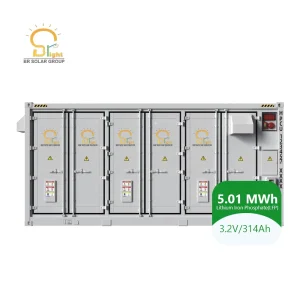
Deploy integrated battery buffers (100kWh to 1MWh) to stabilize local distribution voltage spikes and prevent localized blackouts during simultaneous EV fast charging sessions.
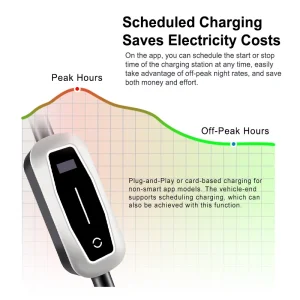
Intelligently schedule charging and discharging rates to shift peak commercial consumption periods, reducing high demand tariffs levied by municipal power grids.
Full support for Vehicle-to-Grid (V2G) bidirectional communication models under ISO 15118-20, returning clean power to building loads when grid pricing spikes.
Hangzhou EnerNova Charger Co., Ltd. is a leading innovator in the field of electric vehicle charging and smart energy solutions. Specializing in both AC and DC EV charging technologies, the company provides a comprehensive range of products and services designed to meet the diverse needs of residential, commercial, and fleet customers.
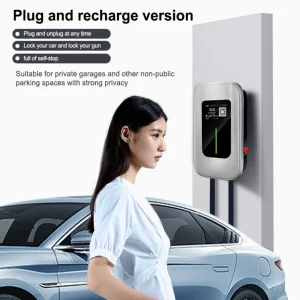
EnerNova’s portfolio includes home EV chargers, fast DC charging stations, intelligent charging power management systems, and advanced energy storage solutions. By integrating cutting-edge hardware with smart software, the company ensures optimized charging efficiency, real-time monitoring, and reliable energy management for all applications.
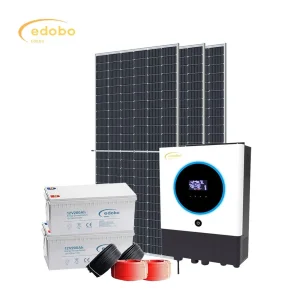
Committed to sustainability and the development of green transportation, Hangzhou EnerNova emphasizes seamless integration of renewable energy sources with its charging and storage systems. Its solutions support vehicle-to-grid (V2G) applications, load balancing, and intelligent energy optimization, helping customers reduce operational costs while enhancing grid stability. With rigorous quality standards, continuous R&D investment, and a customer-centric approach, EnerNova has established itself as a trusted partner in the global market.

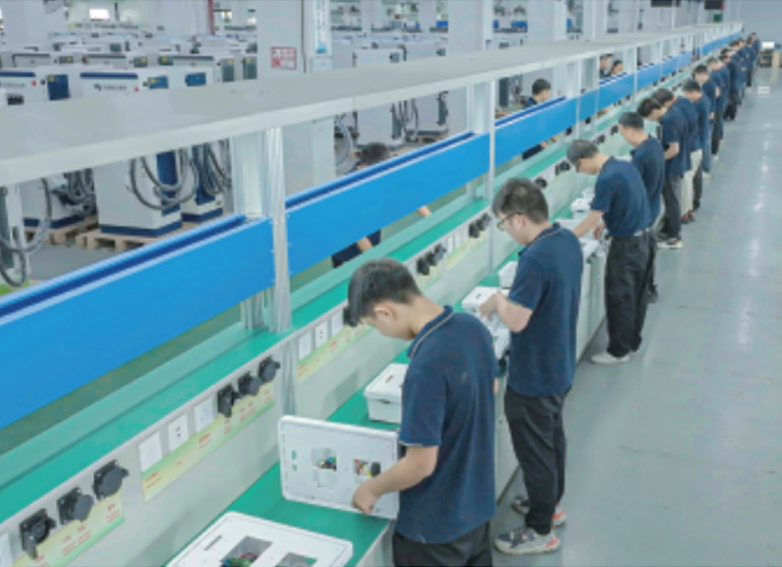
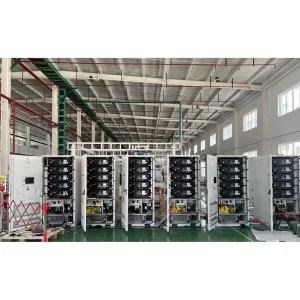
Behind every unit shipped from our China EV charger factory lies a sophisticated quality control loop. We maintain automated environmental test chambers, vibration test boards, and high-frequency grid simulators to guarantee standard compliance and hardware safety.
Our research focuses on improving power density using next-generation Wide-Bandgap (WBG) semiconductors, such as Silicon Carbide (SiC) and Gallium Nitride (GaN). These advancements yield modular power conversion architectures with up to 96% efficiency, significantly minimizing heat output and maximizing device lifetime.
The technological foundation of modern DC fast chargers lies in the performance of their modular rectifiers.
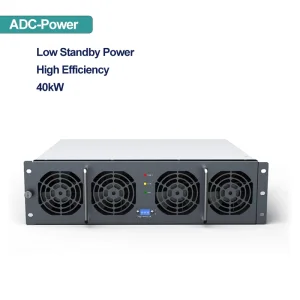
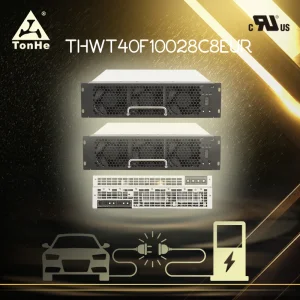
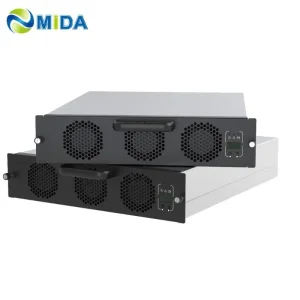
At the center of any commercial DC Fast Charging (DCFC) station is the DC charging power module. Standard setups often suffer from power loss, high heat generation, and short operational lifetimes. Our engineering division solves these challenges by utilizing advanced LLC resonant converter topologies and digital control algorithms. Specifically, the 40kW and 30kW charging modules incorporate active power factor correction (PFC), achieving a power factor of up to 0.99 and a total harmonic distortion (THD) of under 5% at full capacity.
This design dramatically reduces grid feedback noise while ensuring a 96% conversion efficiency. Low standby power consumption technology reduces passive losses down to a fraction of standard modules, saving station operators thousands of dollars in annual energy overheads. These modular units feature a wide output voltage range (typically 150V to 1000V DC), enabling them to charge legacy electric vehicles with 400V battery systems as well as next-generation commercial trucks and performance vehicles utilizing 800V architectures.
| Feature Spec | 40kW High-Efficiency Module | 30kW UL/CE Module | Typical Market Alternatives |
|---|---|---|---|
| Peak Efficiency | ≥ 96.2% | ≥ 95.8% | 92.0% - 94.0% |
| Output Voltage Range | 150V - 1000V DC | 200V - 1000V DC | 200V - 750V DC |
| Standby Loss | < 10W per module | < 12W per module | 35W - 50W per module |
| Cooling Technology | Independent Double-Air Duct | Forced Smart Fan Cooling | Shared-Duct Passive Cooling |
| THD (Full Load) | ≤ 3.5% | ≤ 4.0% | ≥ 5.5% |
Optimizing localized load management for shopping malls, exhibition centers, office parks, and logistics hubs.
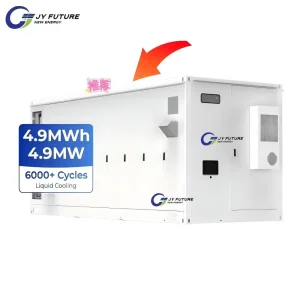
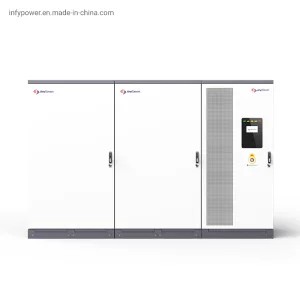
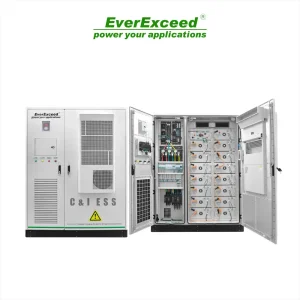
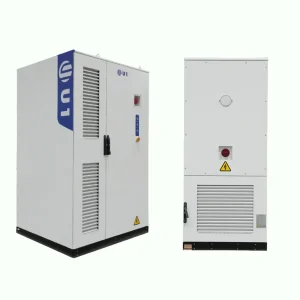
High-voltage utility lines are not always accessible at high-traffic sites, making grid-tied battery storage systems critical for localized deployment. By pairing 100kWh to 1MWh C&I Battery Energy Storage Systems (BESS) directly with fleet depots, logistics managers can charge their vehicles from local reserves instead of drawing directly from the grid. This buffer system minimizes voltage sags and safeguards local energy infrastructure.
In humid or changing climates, condensation is a primary cause of battery degradation and localized electronic failure. Our specialized series, featuring "No Condensation" and advanced HVAC thermal controls, keeps the cabinet's internal temperature and humidity within safe margins. This design prevents corrosion and thermal runaway events, ensuring safety in commercial centers, exhibition halls, and office buildings.
Seamlessly integrates into localized C&I microgrids, using peak-shaving protocols to offset high utility rates while securing critical backup power during grid disruptions.
Allows fleet operations to dispatch multiple medium-duty delivery vans simultaneously, leveraging stored energy when regional grid capacity is restricted.
Maintains dynamic load management during large events. High temporary demands are offset by battery systems, avoiding utility supply overloads.
Adhering strictly to international safety standards, grid regulations, and digital interface protocols.
Deploying energy equipment globally requires a thorough understanding of localized grid codes and standard compliance. Our product lineup complies with international certifications, including CE, TUV, and UL standards. This ensures that every battery cell, power module, and fast charging housing meets global safety and operational benchmarks.
In terms of communication protocols, our stations feature standard OCPP 1.6J and OCPP 2.0.1 integrations. This allows site operators to easily integrate our hardware with major charging network management platforms (CSMS). This framework enables real-time status reporting, user authentication, remote tariff management, and over-the-air firmware updates. Physical security is also prioritized; our cabinets include over-voltage protection, under-voltage cutoffs, short circuit isolation, leakage current monitoring (Type B RCD), and advanced aerosol-based fire suppression systems.
Where is EV Infrastructure heading over the next decade? Aligning with solid-state storage and megawatt-scale charging networks.
The next era of electric transportation infrastructure centers on ultra-high-speed energy transfer and intelligent grid balance. Development is currently focusing on Megawatt Charging Systems (MCS), designed to charge heavy-duty commercial transport vehicles and electric planes at rates exceeding 1,000kW. This requires liquid-cooled cabling systems, highly advanced thermal exchangers, and localized energy buffers to manage the massive thermal load.
On the storage side, we are preparing our systems for solid-state battery chemistry integrations. Solid-state packs offer higher energy densities and reduced thermal runaway risks compared to traditional liquid electrolyte cells. By combining these advanced energy cells with intelligent charging networks and green hydrogen fuel-cell backups, we are designing a zero-emission energy ecosystem that meets tomorrow's demand.
Direct technical explanations regarding deployment, power module configuration, and grid interfaces.
Explore our technical components designed for seamless integration and maximum efficiency.
 EnerNova Charger