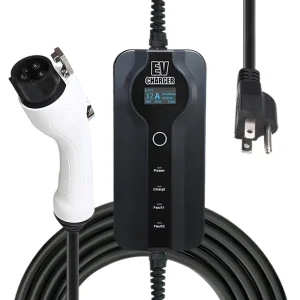
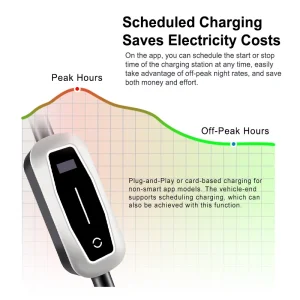
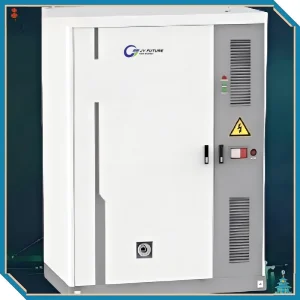
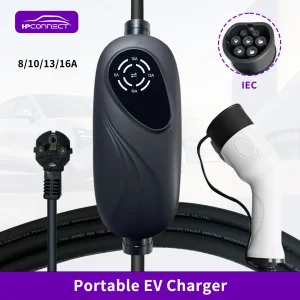
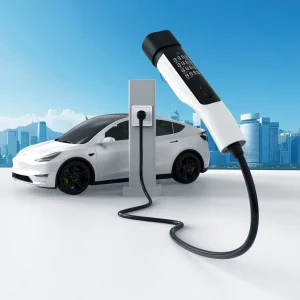
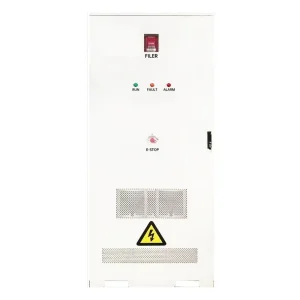
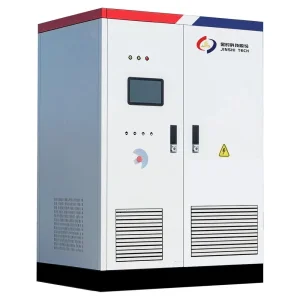
The global transition to Electric Vehicles (EVs) has moved beyond simple plug-and-play hardware. At the heart of modern, efficient EV infrastructure lies the Power Management Unit (PMU). These units are no longer just passive conduits; they are the intelligent brains that dictate the efficiency, safety, and scalability of charging networks.
As global demand surges, China has emerged as the definitive hub for PMU manufacturing. By leveraging advanced power electronics, AI-driven load balancing, and high-frequency switching technology, Chinese manufacturers are defining the standard for global interoperability. Whether for residential wall boxes or commercial fleet depots, the precision of these power modules determines the lifespan of the vehicle battery and the stability of the local utility grid.
What differentiates Chinese manufacturers today from the rest of the world is the implementation of Factory 4.0 standards. This is not merely about volume; it is about high-precision manufacturing. Modern Chinese facilities now utilize:
For procurement officers and project managers, sourcing from these factories means more than just cost-savings—it means accessing a robust ecosystem of R&D where software updates (OTA) and hardware durability coexist.
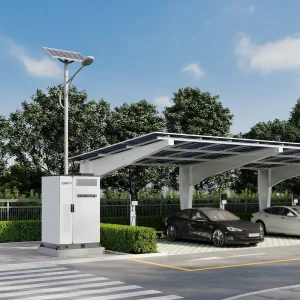
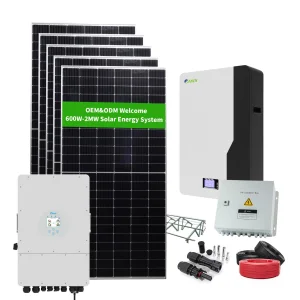
The global landscape for EV charging is shifting towards Commercial and Industrial (C&I) integration. Enterprise fleets, logistics centers, and public parking operators are now demanding "Solar-Storage-Charging" (SSC) solutions. The PMU is the critical link in this tri-part system. It decides when to draw from the solar panels, when to pull from the battery storage, and when to tap into the municipal grid.
Key procurement criteria for global buyers currently include:
Understanding where the PMU will live is vital for selecting the right supplier. We categorize applications into three distinct tiers:
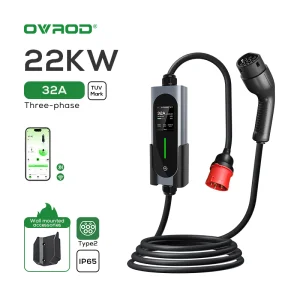
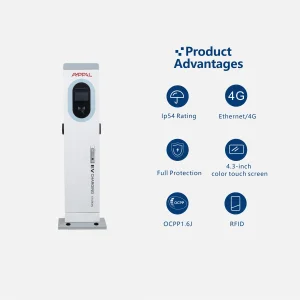
1. Residential (Smart Home Integration): The focus here is on aesthetics, silence, and integration with home PV systems. Suppliers must offer compact, high-efficiency units that protect the home electrical panel from exceeding its capacity while the car charges.
2. Commercial Fleet (The Workhorse): For depots and logistics hubs, the emphasis is on uptime and ruggedness. PMUs here require industrial-grade thermal management and modularity—if one module fails, the station must continue charging at reduced capacity rather than shutting down entirely.
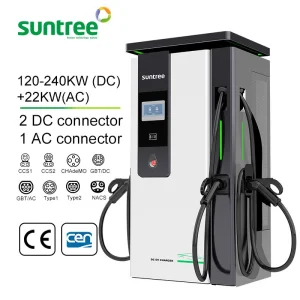
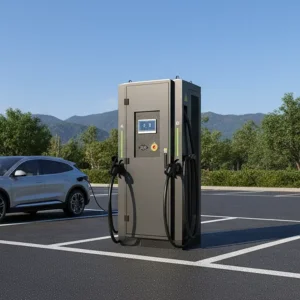
3. Public Fast Charging (DC High-Power): This is the pinnacle of PMU engineering. With capacities ranging from 120kW to 480kW+, the management unit must handle high heat dissipation and complex protocol handshakes with vehicle BMS (Battery Management Systems) in milliseconds to prevent battery degradation.
It is the core electronic system that converts AC power from the grid to DC for the car, manages the charge flow (Amperage/Voltage), communicates with the vehicle's BMS, and ensures safety protocols are followed to prevent overheating or short circuits.
China holds the world’s largest market share for EV infrastructure, resulting in unmatched economies of scale, faster R&D cycles for new technologies, and a mature supply chain that delivers certified products (CE, UL, IEC) at competitive lead times.
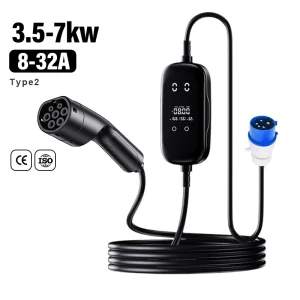
Yes. Longer cables introduce resistance and voltage drop. High-quality Chinese manufacturers compensate for this by using thicker gauge copper and intelligent current compensation software in the PMU to ensure the vehicle receives the intended power level regardless of cable length.
 EnerNova Charger