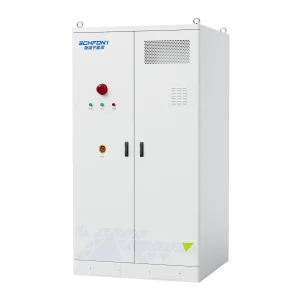
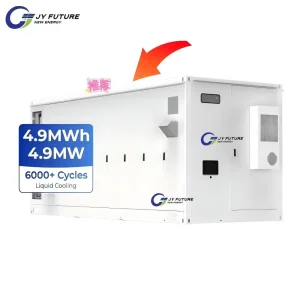
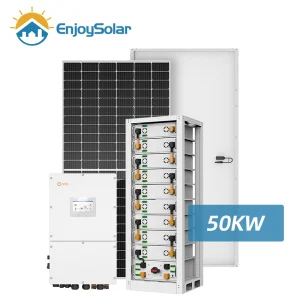
Explore our premium product portfolio designed for industrial grid tied operations, residential backup, and public rapid transport systems.
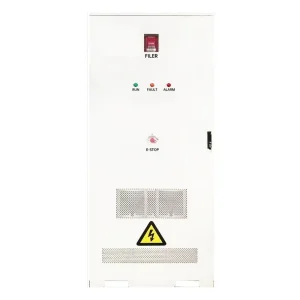
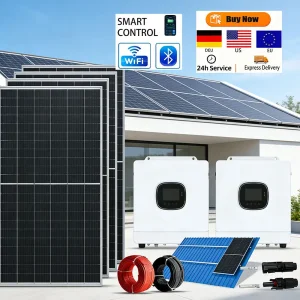
The global electric vehicle (EV) market has transitioned from early adoption to massive industrialization. To sustain this momentum, grid operators, municipalities, logistics fleets, and heavy industries are aggressively upgrading their electrical infrastructures. Standard AC trickle chargers are no longer sufficient; the demand is rapidly pivoting toward high-power DC fast charge solutions capable of refueling vehicles within minutes rather than hours.
As a premier global exporter, Hangzhou EnerNova Charger Co., Ltd. plays a pivotal role in this revolution. Our comprehensive systems integrate cutting-edge wide-bandgap semiconductor power modules, advanced liquid-cooling architectures, and smart vehicle-to-grid (V2G) systems to solve grid bottlenecks and provide commercial operations with resilient, optimized charging networks.
A trusted manufacturing powerhouse for advanced power electronics, smart commercial EV distribution, and automated assembly operations.
Hangzhou EnerNova Charger Co., Ltd. is a leading innovator in the field of electric vehicle charging and smart energy solutions. Specializing in both AC and DC EV charging technologies, the company provides a comprehensive range of products and services designed to meet the diverse needs of residential, commercial, and fleet customers.
EnerNova’s portfolio includes home EV chargers, fast DC charging stations, intelligent charging power management systems, and advanced energy storage solutions. By integrating cutting-edge hardware with smart software, the company ensures optimized charging efficiency, real-time monitoring, and reliable energy management for all applications.
Committed to sustainability and the development of green transportation, Hangzhou EnerNova emphasizes seamless integration of renewable energy sources with its charging and storage systems. Its solutions support vehicle-to-grid (V2G) applications, load balancing, and intelligent energy optimization, helping customers reduce operational costs while enhancing grid stability.

With rigorous quality standards, continuous R&D investment, and a customer-centric approach, EnerNova has established itself as a trusted partner in the EV and smart energy industry. The company’s innovative technologies empower users to adopt cleaner, smarter, and more efficient energy solutions, paving the way for the future of intelligent mobility.
Our focus on E-E-A-T (Experience, Expertise, Authoritativeness, and Trustworthiness) is evidenced by our certification compliance with international bodies (CE, TUV, UL, RoHS, and FCC) and our track record of deployed systems in high-demand environments. From heavy-duty truck depots in North America to municipal transit terminals in Northern Europe, our products deliver stable power profiles under extreme temperature variations (-35°C to +55°C) and demanding grid conditions.
Unpacking the supply chain vertical integration, speed-to-market, and technical superiority driving China's exporting efficiency.
By housing lithium-ion raw material refinement, active BMS firmware programming, and magnetic component assembly in regional industrial clusters, China limits transit delay and reduces cost overheads significantly compared to fragmented Western supply models.
The time from custom hardware requests (such as bespoke liquid-cooled distribution plates or custom-labeled MPPT inverters) to dynamic hardware-in-the-loop (HIL) testing is reduced by up to 60%, allowing rapid international iteration and deployment.
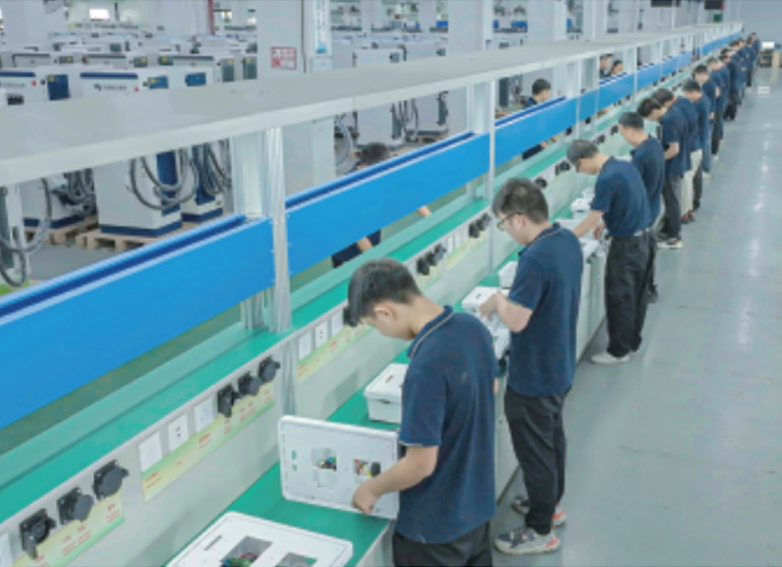
Automatic optical inspection (AOI), high-capacity environmental burn-in testing chambers, and full traceability software guarantee that every component leaving EnerNova facilities meets and exceeds global durability mandates.
Modern electrical infrastructure must adapt to diverse spatial and regulatory conditions. The application of energy storage systems (ESS) combined with rapid charging interfaces spans several crucial sectors globally:
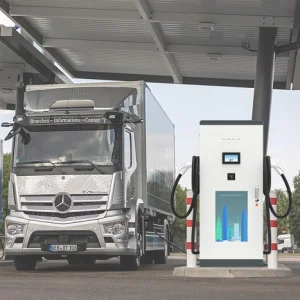
Urban delivery networks and regional trucking operators run on strict time slots. A delay in charging translates to massive supply-chain gridlock. With ultra-fast DC chargers like our 160kW vehicle charging stations, commercial fleets can charge during mandatory driver break periods, maximizing fleet uptime and route reliability.
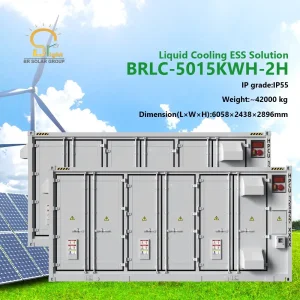
Additionally, integration with air-cooled commercial energy storage systems prevents local grid overloading when multiple freight trucks initiate peak charging simultaneously.
Exhibition halls, educational institutions, and processing factories are frequently limited by peak-demand tariffs. EnerNova’s safety-oriented grid-tied battery storage systems store electricity during low-tariff hours and discharge it during peak operations, protecting organizations from punitive grid penalties.
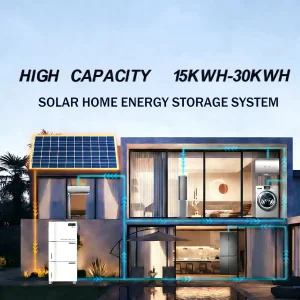
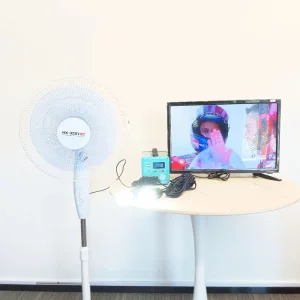
For rural or hybrid solar sites, our MPPT lithium-ion residential and commercial kits provide robust standalone microgrids that keep machinery running uninterrupted.
"Integration of high-capacity energy storage systems (ESS) with local solar PV arrays creates a resilient microgrid. By shifting load distribution automatically through intelligent software, fleet owners can bypass municipal grid upgrades that would otherwise require millions in capital expenditure and years of regulatory approvals."
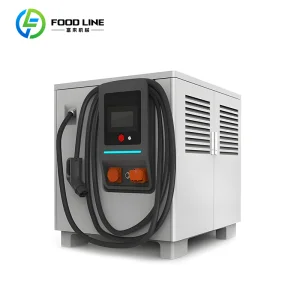
One of the persistent failure points of EV logistics is roadside battery depletion. Our 120kW DC Fast Charger with integrated 141kWh LiFePO4 battery functions as an all-in-one mobile rescue station, allowing tow trucks and roadside support teams to deliver massive energy boosts to stranded commercial vehicles in remote locations.
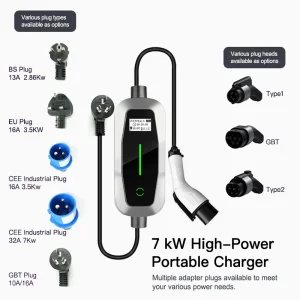
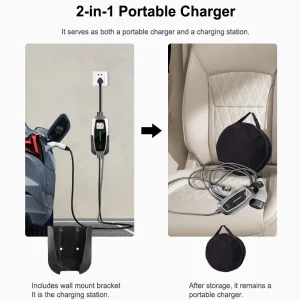
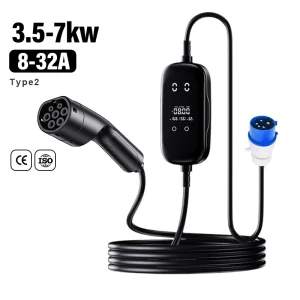
For light commercial and everyday consumer needs, dual-use portable chargers (3.5kW and 7kW options) bridge the gap. They afford the end user the flexibility to charge via standard home outlets or dedicated wallboxes while travelling, without risking thermal degradation due to unmonitored power surges.
As procurement managers and municipal engineers select hardware vendors, they must evaluate critical technical factors to avoid equipment obsolescence over a standard 10 to 15-year operational lifecycle:
In-depth responses to critical questions surrounding grid stability, thermal runway management, dynamic load balancing, and import regulations.
Reliable commercial battery systems, hybrid microgrid solutions, and rapid rescue chargers ready for export deployment.
 EnerNova Charger