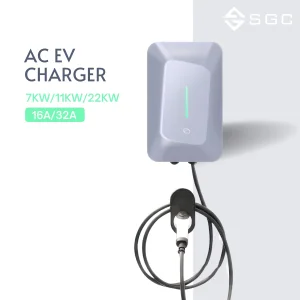
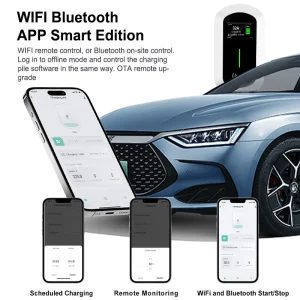
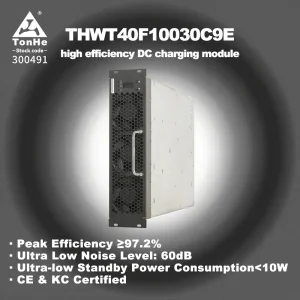
Global industrial sectors are now mandated under frameworks like the European Green Deal and ESG compliance to reduce Scope 2 emissions. Renewable energy manufacturers are no longer just component providers; they are strategic partners in implementing Battery Energy Storage Systems (BESS) that bridge the intermittency of solar and wind power.
The global renewable energy market is projected to reach over $2 trillion by 2030. Key drivers include the plummeting cost of LiFePO4 battery technology and the massive adoption of Electric Vehicles (EVs), necessitating a synchronized "PV-Storage-Charging" ecosystem.
Geopolitical volatility has accelerated the move toward decentralized energy. Modular energy storage solutions allow factories and residential districts to operate in "Island Mode," ensuring 24/7 power availability regardless of grid stability issues.
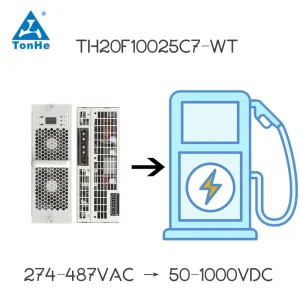
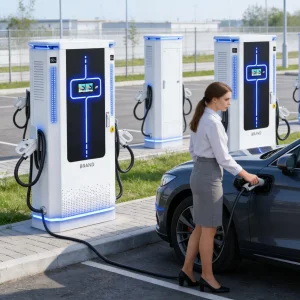
The transition from 400V to 1000V DC charging modules represents a paradigm shift. This architecture reduces thermal loss and allows for "Ultra-Fast Charging," enabling EVs to gain 200km of range in under 10 minutes.
Vehicle-to-Grid (V2G) technology transforms EVs into mobile power banks. With OCPP 2.0.1 smart communication, our chargers allow fleet operators to sell energy back to the grid during peak demand, creating a new revenue stream.
While LiFePO4 remains the industry gold standard for safety and longevity (CE certified), our R&D roadmap includes sodium-ion compatibility for extreme cold environments and solid-state research for next-gen density.
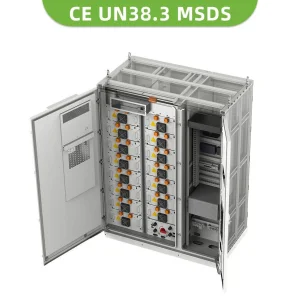
Future energy systems rely on AI to predict weather patterns and load requirements. Integrated EMS optimizes the discharge of 215kwh+ commercial packs to minimize peak-shaving costs automatically.
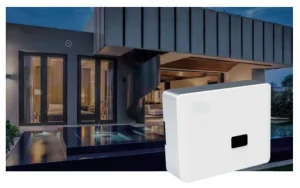
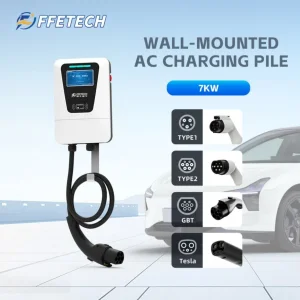
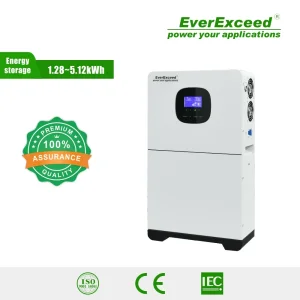
Focus on CE (LVD/EMC) compliance and Type 2 connectivity. Applications focus on residential "Balcony Storage" and hybrid stackable systems for home energy autonomy in high-tariff regions like Germany and Scandinavia.
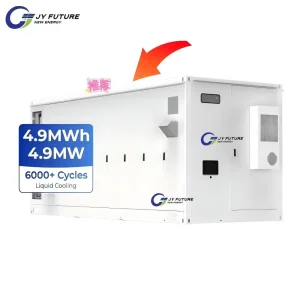
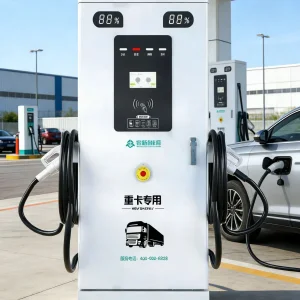
Emphasis on high-capacity DC fast chargers (CCS1/NACS) and large-scale 240kW stations for logistics hubs. Integrated air-cooling BESS modules ensure high performance in diverse climates from Arizona to Ontario.
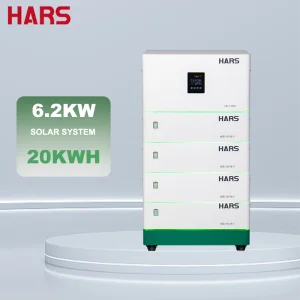
Solar generator solutions for areas with weak grid infrastructure. Our 20kwh integrated systems provide essential power for telecommunication base stations and remote industrial sites.
Hangzhou EnerNova Charger Co., Ltd. is a leading innovator in the field of electric vehicle charging and smart energy solutions. Specializing in both AC and DC EV charging technologies, the company provides a comprehensive range of products and services designed to meet the diverse needs of residential, commercial, and fleet customers.
EnerNova’s portfolio includes home EV chargers, fast DC charging stations, intelligent charging power management systems, and advanced energy storage solutions. By integrating cutting-edge hardware with smart software, the company ensures optimized charging efficiency, real-time monitoring, and reliable energy management for all applications.
Committed to sustainability and the development of green transportation, Hangzhou EnerNova emphasizes seamless integration of renewable energy sources with its charging and storage systems. Its solutions support vehicle-to-grid (V2G) applications, load balancing, and intelligent energy optimization, helping customers reduce operational costs while enhancing grid stability.

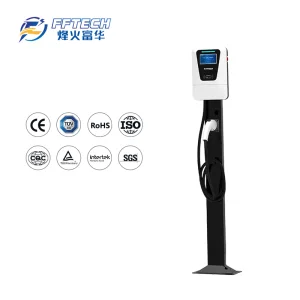
With rigorous quality standards, continuous R&D investment, and a customer-centric approach, EnerNova has established itself as a trusted partner in the EV and smart energy industry. Our products carry full CE certification, ensuring compliance with the highest safety and environmental standards required for international trade and operation.
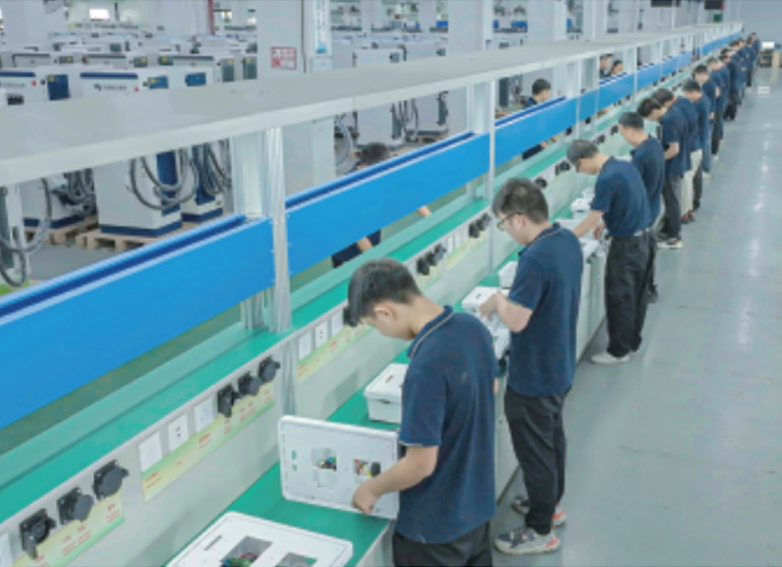
CE certification ensures that the product meets EU safety, health, and environmental protection requirements. For manufacturers, it is the "passport" to the European market, guaranteeing that EV chargers and BESS systems are protected against electrical surges, fire hazards, and electromagnetic interference.
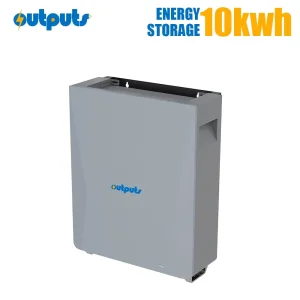
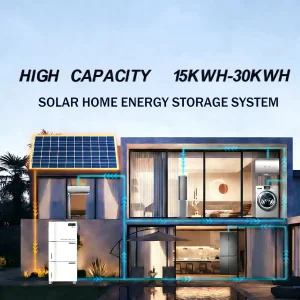
Residential systems (5kWh-40kWh) focus on maximizing self-consumption of rooftop solar and providing backup power. Commercial systems (215kWh+) are designed for "Peak Shaving" — reducing the expensive demand charges businesses pay by discharging during peak hours — and supporting high-power industrial machinery.
OCPP 2.0.1 allows for enhanced device management, improved security, and better transaction handling. It enables features like "Smart Charging," where the charger communicates with the grid and the vehicle to optimize charging times based on electricity price and grid load.
Most high-quality LiFePO4 (Lithium Iron Phosphate) systems offer over 6000 cycles at 80% Depth of Discharge (DoD). In a typical residential scenario, this translates to over 15 years of daily use with minimal capacity degradation.
Yes. Modern smart chargers can be synchronized with solar inverters via CT clamps or API integration to ensure that your vehicle is charged only with "Green" excess solar energy, rather than pulling from the grid.
Such large-scale stations require a dedicated high-voltage transformer and robust thermal management. Our modules are designed with liquid or advanced air cooling to maintain efficiency during high-amperage output in outdoor environments.
 EnerNova Charger