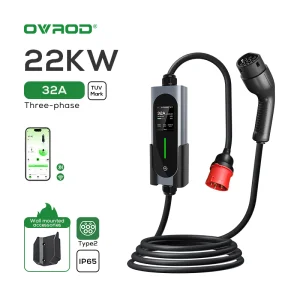
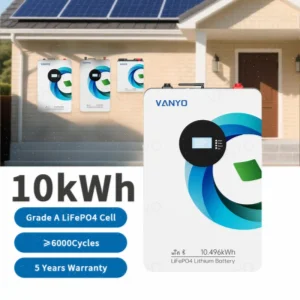
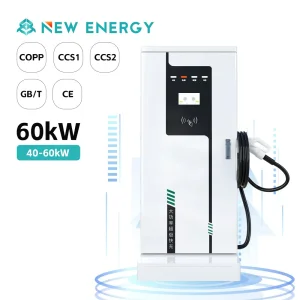
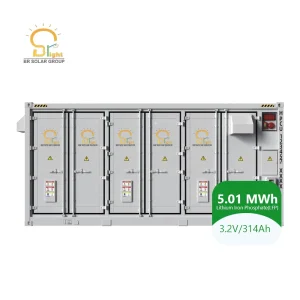
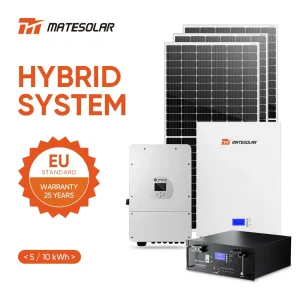
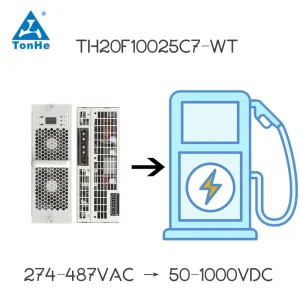
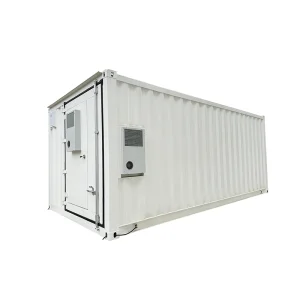
Select premium hardware components engineered to integrate seamlessly into residential solar and grid-tied networks.
Decarbonization, rising energy costs, and grid instability are reshaping B2B clean-tech procurement.
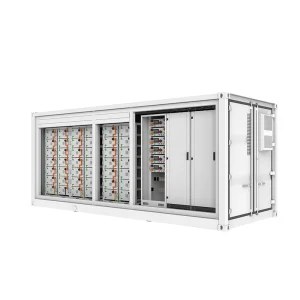
Global commercial entities and developers are demanding residential solar systems equipped with smart energy storage. Peak shaving capabilities allow end-users to buffer energy during off-peak hours and utilize it during premium grid pricing tiers, reducing regional grid load.
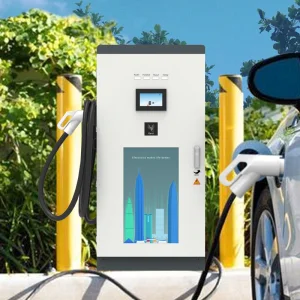
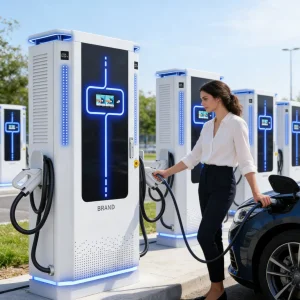
Modern residential complexes now mandate combined PV + Storage + Charging infrastructure. By deploying centralized AC/DC charging stations paired with residential energy storage systems, installers offer complete, modular green ecosystems that attract smart homeowners.
Procuring agents in Europe, Oceania, and Latin America prioritize systems with comprehensive CE certification. This certification guarantees strict compliance with Low Voltage Directives (LVD), Electromagnetic Compatibility (EMC), and functional safety guidelines, simplifying grid connections.
The transition toward decentralized power grids requires smart, scalable hardware architectures. Typical residential solar projects are shifting away from standalone PV arrays. Modern installations use hybrid topologies where solar panels, battery energy storage systems (BESS), and intelligent EV supply equipment (EVSE) communicate dynamically.
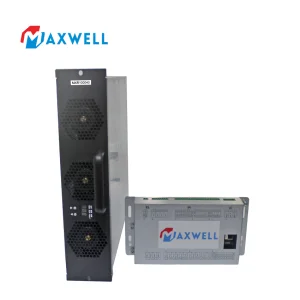
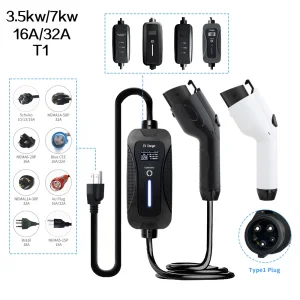
Hangzhou EnerNova Charger Co., Ltd. addresses this shift by providing high-efficiency AC and DC power modules, intelligent smart grid-tied energy storage units, and portable or stationary EV chargers. These components are designed to balance local loads, minimize reverse-power issues on local transformers, and support active power curtailment protocols.
By implementing dynamic load-balancing algorithms, our infrastructure solutions prevent residential grid overloads, even when operating high-capacity EV chargers simultaneously with heating, ventilation, and air conditioning (HVAC) systems. This architecture facilitates seamless energy distribution, guaranteeing stable back-up power during utility outages.

Underpinning our research and development is a commitment to solid-state electrical efficiency, safety, and modularity.
By transitioning charging and energy storage systems to high-voltage platforms, copper losses are minimized, thermal loads are reduced, and system round-trip efficiency rises. This standard supports next-generation high-rate battery platforms.
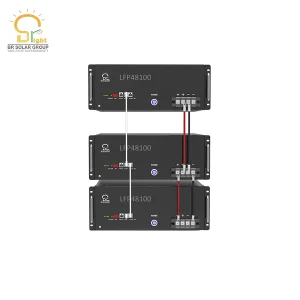
Our grid-tied BESS utilizes Grade-A prismatic LFP cells. These chemistry formulations optimize thermal safety, guarantee over 6,000 charge cycles, and eliminate hazardous materials, supporting sustainable recycling workflows.
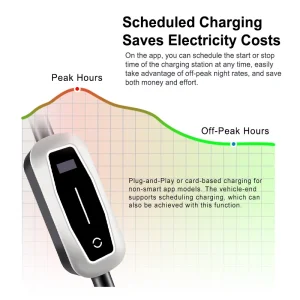
Integrating bidirectional charging technology enables the electric vehicle to act as an auxiliary home battery. During grid failure or peak-tariff events, the EV discharges power back to the home, lowering utility reliance.
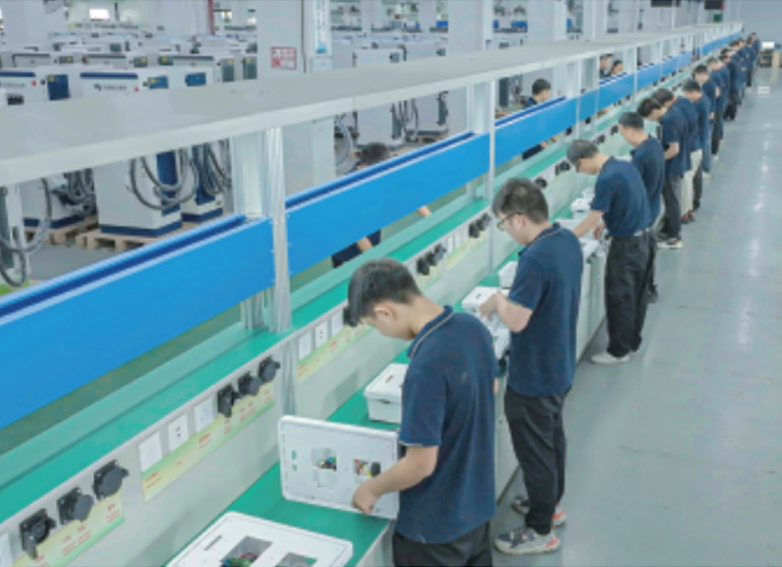
Hangzhou EnerNova Charger Co., Ltd. is a leading innovator in the field of electric vehicle charging and smart energy solutions. Specializing in both AC and DC EV charging technologies, the company provides a comprehensive range of products and services designed to meet the diverse needs of residential, commercial, and fleet customers.
EnerNova’s portfolio includes home EV chargers, fast DC charging stations, intelligent charging power management systems, and advanced energy storage solutions. By integrating cutting-edge hardware with smart software, the company ensures optimized charging efficiency, real-time monitoring, and reliable energy management for all applications.
Committed to sustainability and the development of green transportation, Hangzhou EnerNova emphasizes seamless integration of renewable energy sources with its charging and storage systems. Its solutions support vehicle-to-grid (V2G) applications, load balancing, and intelligent energy optimization, helping customers reduce operational costs while enhancing grid stability.
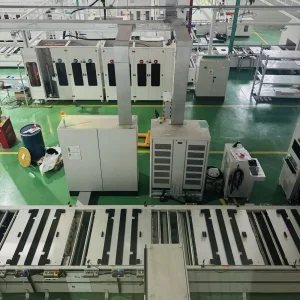
With rigorous quality standards, continuous R&D investment, and a customer-centric approach, EnerNova has established itself as a trusted partner in the EV and smart energy industry. The company’s innovative technologies empower users to adopt cleaner, smarter, and more efficient energy solutions, paving the way for the future of intelligent mobility.
Navigating complex international grids requires strict hardware certifiability and engineering support.
All residential solar configurations, commercial energy storage blocks, and EV charging stations undergo rigorous testing. We maintain certifications for Low Voltage Directive (LVD) 2014/35/EU, EMC Directive 2014/30/EU, and relevant grid interconnection safety norms.
Smart charging stations require uniform network access. By using open charge point protocols, operators can monitor energy distribution, control authentication, adjust load parameters, and update firmware remotely via secure cloud gateways.
From VDE-AR-N 4105 in Germany to AS/NZS 4777 in Australia, our engineers customize inverter parameters, over/under frequency trip settings, and anti-islanding protections to comply with regional utilities before dispatch.
Technical answers addressing procurement, compliance, safety, and integration concerns.
Explore our full line of B2B electrical equipment, grid adapters, and mobile vehicle charging controllers.
 EnerNova Charger