Explore our industrial and commercial-grade charging hardware, manufactured to top international standards.
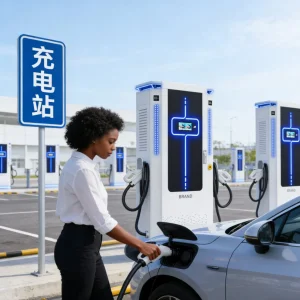
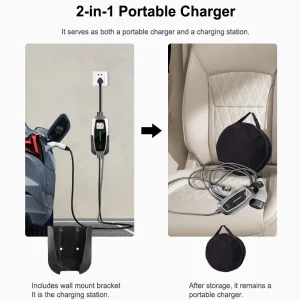
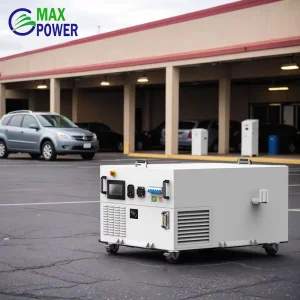
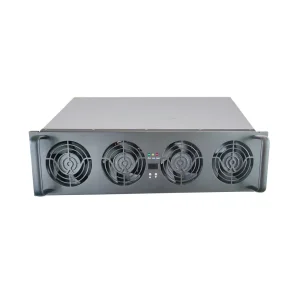
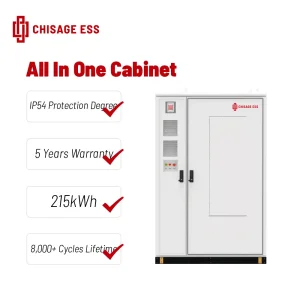
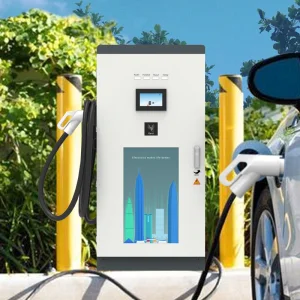
Hangzhou EnerNova Charger Co., Ltd. is a leading innovator in the field of electric vehicle charging infrastructure and smart grid storage solutions. By specializing in both high-precision AC systems and ultra-fast DC technologies, the company offers a vertically integrated portfolio. This covers the entire lifecycle of power delivery: from residential hardware configurations to mission-critical logistics fleets and grid-scale industrial implementations.
EnerNova’s engineering team bridges the gap between hardware execution and cloud-based energy allocation. Our integrated systems feature smart power balancing, real-time telemetry diagnostics, dynamic network load reduction, and support for emerging Vehicle-to-Grid (V2G) pathways. Through dedicated R&D investments, we ensure that energy storage and fast-charge stations interface seamlessly to decrease operational expenses and bolster municipal grid resilience.

Understanding the intersection of grid pressures, vehicle architecture transitions, and next-generation power electronics.
Modern commercial EVs are migrating from 400V topologies to 800V and even 1000V/2000V architectures (such as our Maxwell module). This transition requires extreme thermal mitigation, active liquid-cooling mechanics, and wide bandgap Silicon Carbide (SiC) semiconductors to reduce power conversion losses below 3.5%.
EV infrastructure is no longer a static load. Our smart DC platforms are designed to incorporate bi-directional flows under the ISO 15118 Standard (Plug & Charge). This allows parked vehicle fleets to act as distributed virtual power plants (VPPs) during grid fluctuations, optimizing localized power costs.
Standardized interoperability is key. Through native integration of OCPP 1.6J and OCPP 2.0.1, operators gain granular control over telemetry profiles, tariff adjustments, remote boot diagnostics, reservation schedules, and over-the-air firmware deployments to future-proof their network capital.
Procuring commercial-grade charging and storage configurations is not merely a matter of equipment acquisition; it is a critical engineering decision that dictates operational uptime and grid compliance. Global EPC firms, energy suppliers, and municipal fleet operators require bespoke adjustments to comply with regional distribution rules and standard certifications.
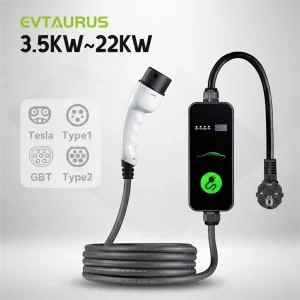
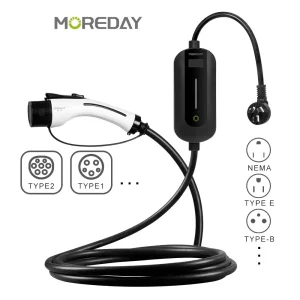
Our hardware is designed to accommodate international variations: CCS1 (North American standard with UL certifications), CCS2 (European CE & TUV compliance), and GB/T (Asia-Pacific high-amperage systems). This ensures cross-border software integration and seamless validation.
We specialize in customized backend connectivity. Whether you need custom payment gateways, localized RFID billing integrations, specific API tunnels for municipal management software, or specialized load balancing for high-density depots, our engineering team handles it.
How our advanced industrial production model ensures reliable delivery, price stability, and strict quality control.
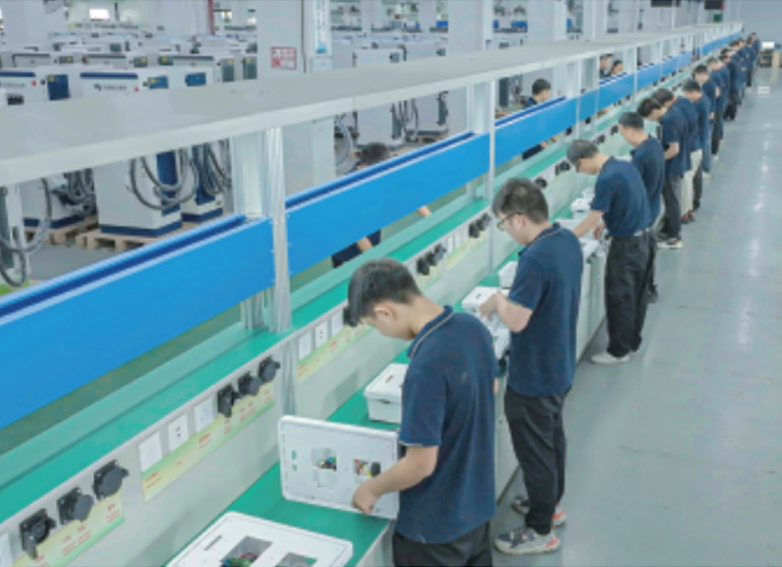
Our manufacturing execution system (MES) monitors every assembly step. From PCB component placement (SMT lines) to final shell welding, each step is logged to ensure full traceability and high product reliability.
Every product undergoes extensive testing before shipping. This includes thermal chamber cycles (-30°C to +55°C), high-humidity simulations, full-load burn-in testing, and water spray tests to verify IP rating compliance.
Located in the heart of the Yangtze River Delta industrial zone, we maintain deep, stable partnerships for raw copper components, high-grade semiconductor modules, and steel enclosures. This protects your orders from global supply chain disruptions.
From logistics yards to residential multi-family housing, our systems are optimized for modern infrastructure.
Key information regarding integration, thermal control, and custom specifications for planning and deployment.
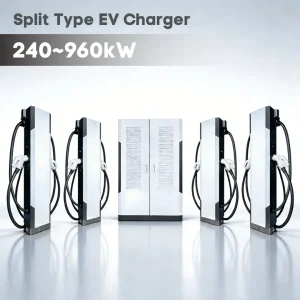
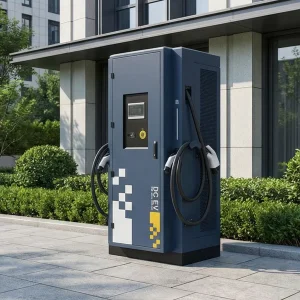
Our smart charging systems utilize direct command logic to dynamically adjust power delivery. For example, in a 240kW dual-plug configuration, the station detects battery capacity, current SoC, and internal temperatures. Instead of simply splitting the output to 120kW per plug, the system can allocate 180kW to a battery that requires fast charging while providing 60kW to a vehicle nearing full charge, optimizing energy distribution across both plugs.
We design multi-tier protection systems into both our software and hardware. This includes real-time sensor monitoring at the gun connection, output relays, and the core DC conversion modules. If temperatures exceed safety thresholds, the station steps down output current. Over-temperature, over-current, under-voltage, and short-circuit protections are built into the hardware for reliable safety.
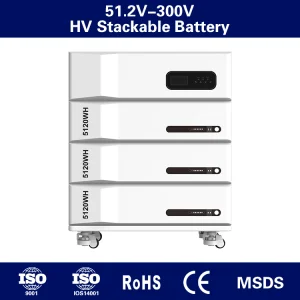
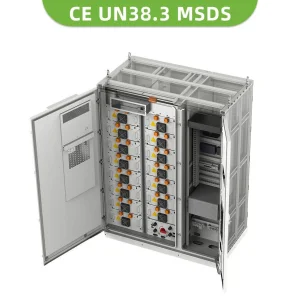
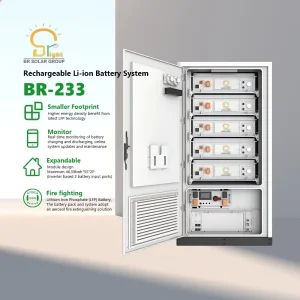
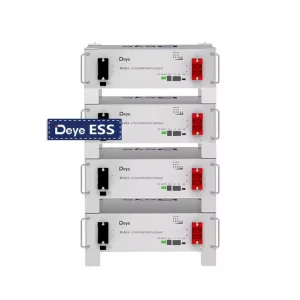
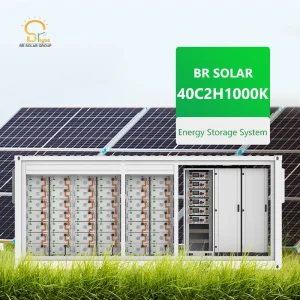
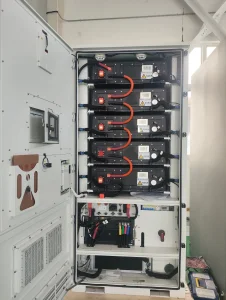
Our microgrid solutions utilize specialized hybrid inverters and battery storage modules (from 100kWh to 1MWh capacities). The storage systems are managed via Modbus TCP or CAN bus interfaces. This allows operators to draw power from the battery during peak EV charging periods, reducing demand charges on the local transformer while maximizing use of on-site solar generation.
Yes, our systems are designed to fully support OCPP 1.6J (JSON websocket implementation). This ensures broad compatibility with charging network management platforms (CSMS). We also offer OCPP 2.0.1 integrations on request, enabling advanced features like ISO 15118 security profiles and smart bi-directional grid interactions.
Explore our complete commercial systems and clean energy storage solutions designed for global deployment.
 EnerNova Charger