Hangzhou EnerNova Charger Co., Ltd. is a leading innovator in the field of electric vehicle charging and smart energy solutions. Specializing in both AC and DC EV charging technologies, the company provides a comprehensive range of products and services designed to meet the diverse needs of residential, commercial, and fleet customers.
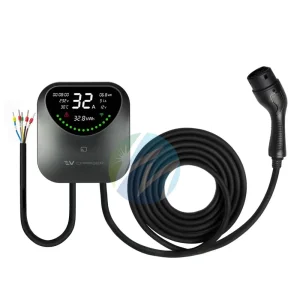
EnerNova’s portfolio includes home EV chargers, fast DC charging stations, intelligent charging power management systems, and advanced energy storage solutions. By integrating cutting-edge hardware with smart software, the company ensures optimized charging efficiency, real-time monitoring, and reliable energy management for all applications.
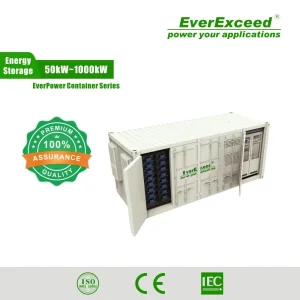
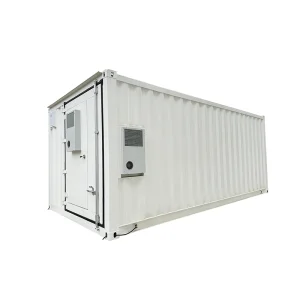
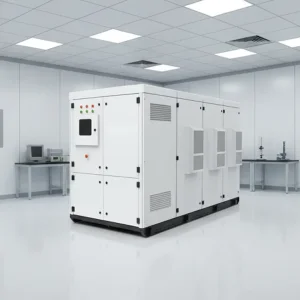
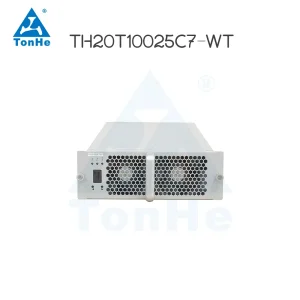
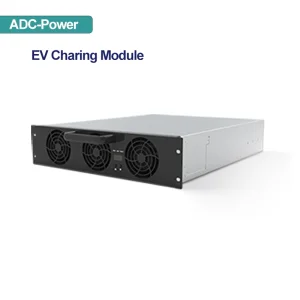
Our commitment to excellence extends from component-level efficiency, such as our 7th Gen ACDC charging modules, to large-scale, containerized energy storage units built to buffer load fluctuations on municipal grids. Every product is engineered to comply with rigorous international testing standards, delivering industry-leading performance under demanding climate parameters.

Committed to sustainability and the development of green transportation, Hangzhou EnerNova emphasizes seamless integration of renewable energy sources with its charging and storage systems. Its solutions support vehicle-to-grid (V2G) applications, load balancing, and intelligent energy optimization, helping customers reduce operational costs while enhancing grid stability.
With rigorous quality standards, continuous R&D investment, and a customer-centric approach, EnerNova has established itself as a trusted partner in the EV and smart energy industry. The company’s innovative technologies empower users to adopt cleaner, smarter, and more efficient energy solutions, paving the way for the future of intelligent mobility.
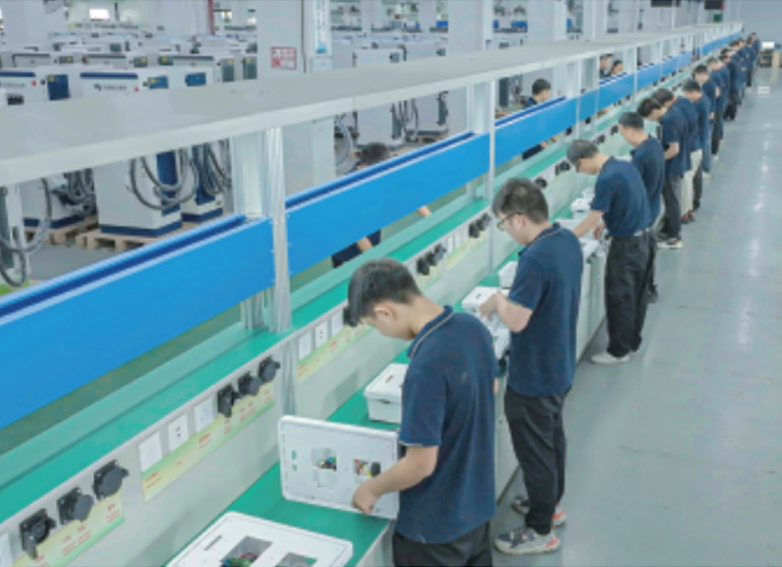
The global solar power system market is undergoing a structural transition from simple feed-in photovoltaic (PV) setups to dynamic, self-optimizing microgrids. Driven by international climate mandates, fluctuating fuel costs, and grid instability, industries are prioritizing systems that offer high Levelized Cost of Energy (LCOE) efficiency alongside resilient backup capabilities.
Integration of LiFePO4 chemistry with advanced Battery Management Systems (BMS) ensures thermal runaway mitigation and operational lifespans exceeding 6,000 charge cycles.
Smart inverters and grid-tied systems now leverage real-time AI algorithms to arbitrage peak-shaving, injecting power into the grid when rates are high and charging during surplus phases.
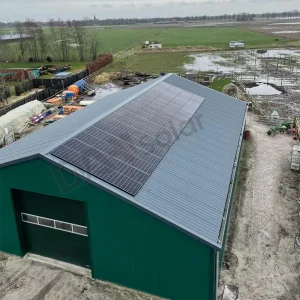
The rapid growth of EV fleets demands integrated infrastructure where commercial properties harvest solar power, store it in modular ESS, and distribute it via fast DC EV chargers.
Furthermore, regulatory bodies—particularly in the European Union—are implementing strict grid codes (such as EN 50549 and VDE-AR-N 4105) to ensure distributed generation systems do not disrupt grid stability. Exporting factories must provide certified proof of safety, galvanic isolation, electromagnetic compatibility, and smart reactive power control to access these sophisticated utility environments.
Procurement officers, EPC contractors, and utility asset managers face multi-layered challenges when sourcing solar power systems and associated infrastructure. Standard commercial buyers no longer just look at direct cost per watt ($/W); they evaluate total lifecycle value, interoperability, and long-term compliance guarantees.
1. System Interoperability: Seamless protocols (such as Modbus TCP/IP, CAN, and OCPP 1.6/2.0.1 for chargers) are non-negotiable for integration with building management systems (BMS) and SCADA platforms.
2. E-E-A-T Certified Traceability: Buyers require comprehensive documentation proving certified safety standards (CE, TUV, IEC, UL) and origin transparency for critical components like battery cells and power semiconductors.
3. Scalable Power Architectures: Projects require modular capacities, allowing scaling from small 50kW testbeds to multi-megawatt configurations without overhaul of the fundamental system topology.
Hangzhou EnerNova mitigates these technical friction points by producing highly standardized, CE-certified systems. By supplying turnkey solutions—from containerized commercial battery enclosures to dual-input rectifier modules—we eliminate the multi-vendor coordination risk that frequently delays utility-scale commissioning.
To address complex industrial and utility requirements, energy infrastructure must be designed as cohesive ecosystem solutions. EnerNova's integrated approaches combine solar capture, microgrid management, and high-performance DC charging structures.
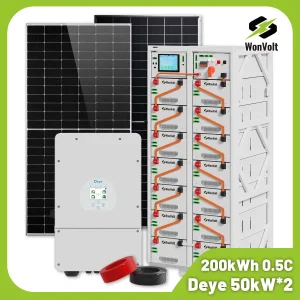
Industrial facilities with energy-intensive profiles face severe penalties for peak energy consumption. Our integrated solar-plus-diesel-plus-storage solutions, such as the 150 kWh Elecnova microgrid system, coordinate multiple power inputs in real time. This ensures 100% operational uptime even during utility failures while optimizing solar self-consumption rates.
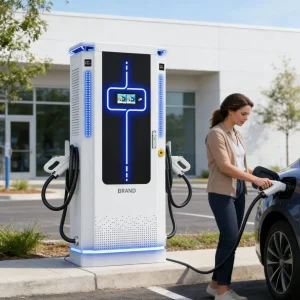
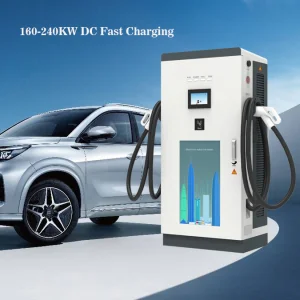
Logistics hubs transitioning to EV fleets require immense grid connections. By coupling high-power DC fast-charging stations (up to 240kW) with commercial containerized ESS units, operators can reduce grid-draw peaks. The battery system discharges to support ultra-fast EV charging cycles, charging during off-peak times through PV arrays or low-cost grid supply.
European markets enforce some of the world's most rigorous compliance criteria for power generation equipment. The CE marking is not simply a decorative badge; it signifies compliance with crucial European Directives:
Governs safe installation and operation of systems operating within 50 to 1000 V AC or 75 to 1500 V DC, preventing shock hazards and structural electrical fires.
Ensures high-frequency solar inverters and EV charging switches do not emit electromagnetic interference (EMI) that disrupts public wireless communications or neighboring hardware.
Restricts hazardous substances in components and verifies wireless IoT/OCPP network modems communicate securely without compromising data safety.
To facilitate local commissioning, EnerNova and its distribution networks provide engineering support teams that understand regional grid compliance variants (such as CEI 0-21 in Italy, G99 in the UK, and VDE-AR-N 4105 in Germany). We prepare customized compliance files, complete with test reports, factory acceptance test (FAT) documentation, and CE declarations, allowing project teams to complete grid connections without delay.
As the transition to smart grids accelerates, EnerNova's engineering department is investing heavily in technologies that will define energy infrastructure over the next decade. Our development plan centers on two major technological developments:
Under the ISO 15118 standard, electric vehicles are no longer merely energy consumers; they serve as decentralized, mobile energy storage devices. Our future DC fast chargers and residential wall-mounted units will feature native bidirectional power pathways. This design allows connected fleets to support building loads during utility outages and inject power back into the grid to stabilize local supply.
While our current systems utilize high-grade LiFePO4 cells due to their stability and lifecycle metrics, we are piloting solid-state battery modules in our R&D facilities. Additionally, we are integrating machine learning algorithms directly into our edge controllers. These systems predict cell aging profiles, forecast next-day solar capture rates using weather feeds, and automatically adjust battery dispatch schedules to maximize system yield.
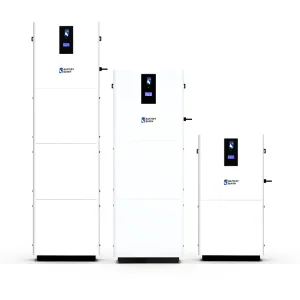
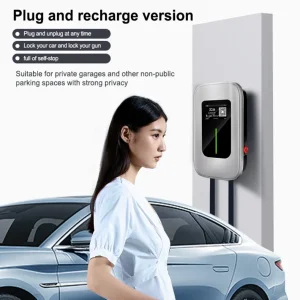
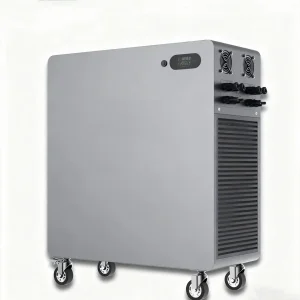
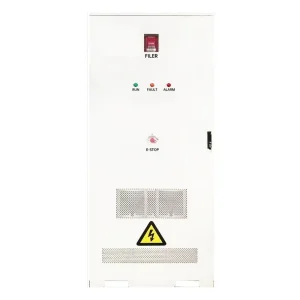
 EnerNova Charger