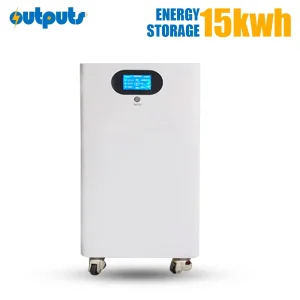
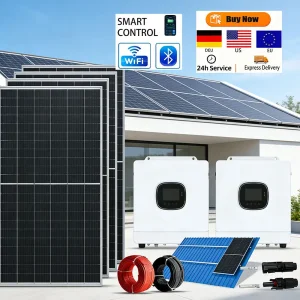
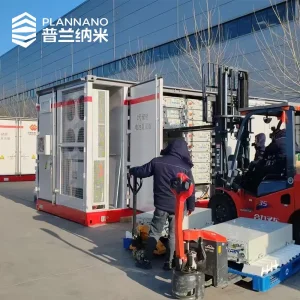
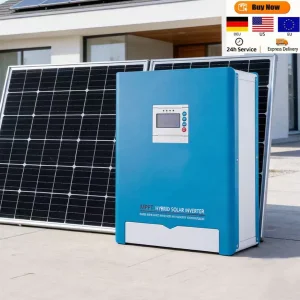
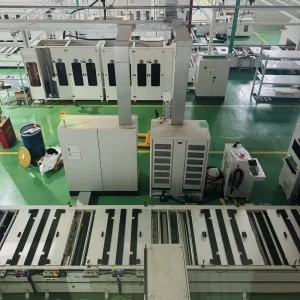
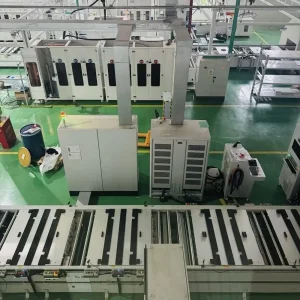
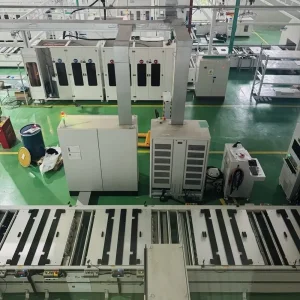
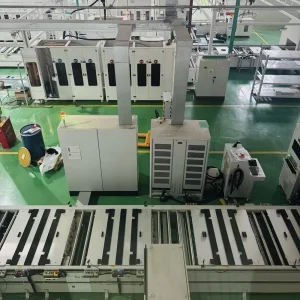
The global energy paradigm is undergoing a historic shift from centralized fossil fuel generation to decentralized, renewable-driven microgrids. Community Energy Storage (CES) has emerged as the critical "buffer" in this transition. Unlike small-scale residential batteries or massive utility-scale farms, CES systems—typically ranging from 100kWh to several MWh—serve clusters of homes, commercial complexes, and industrial parks. As of 2024, the CES market is witnessing an unprecedented 25% CAGR, driven by the need for grid stability and local energy autonomy.
In Europe, particularly in Germany and the UK, community energy cooperatives are leveraging storage to maximize "self-consumption" of local solar and wind resources. In North America, the focus is increasingly on grid resilience against extreme weather events. Meanwhile, in emerging markets across Southeast Asia and Africa, community storage is the backbone of rural electrification where traditional grid infrastructure is absent. As a top 10 community energy storage exporter, Chinese factories are at the forefront of this revolution, providing the hardware and software necessary to manage complex energy flows in real-time.
Modern Battery Management Systems (BMS) now utilize Artificial Intelligence to predict cell failure and optimize state-of-charge (SoC) for longer lifespans.
The trend is moving toward "LEGO-style" modularity. Factories are now building plug-and-play cabinets that can be expanded from 50kW to 1MW effortlessly.
Vehicle-to-Grid (V2G) technology is merging with community storage, allowing electric vehicle fleets to act as mobile batteries for local buildings.
The technical boundary of community storage is expanding. We are seeing a shift from traditional LiFePO4 (LFP) chemistry to High-Pressure Air-Cooled and even Liquid-Cooled systems to ensure safety in high-density urban environments. Integration with IoT (Internet of Things) allows operators to participate in "Virtual Power Plants" (VPP), selling stored energy back to the grid during peak demand periods, effectively turning a storage cost into a revenue stream.
For international buyers—ranging from EPC contractors to real estate developers—procuring community energy storage is not just about price; it’s about compliance and longevity. In the US, systems must meet UL9540/UL9540A fire safety standards. In Europe, CE and IEC 62619 certifications are mandatory. Global purchasers are now demanding:
Our role as a leading exporter is to bridge the gap between high-tech manufacturing and local regulatory requirements, ensuring that every kilowatt-hour stored is safe, efficient, and profitable for the end-user.
Peak shaving is the primary goal here. By discharging during peak tariff hours, factories can save millions in annual energy costs while ensuring critical machinery never loses power during grid fluctuations.
Shared storage for apartment complexes allows residents to pool solar energy, reducing individual investment costs while providing a robust backup power source for elevators and lighting.
High-reliability storage systems serve as an eco-friendly UPS, replacing diesel generators and providing ultra-fast response times to maintain data integrity.
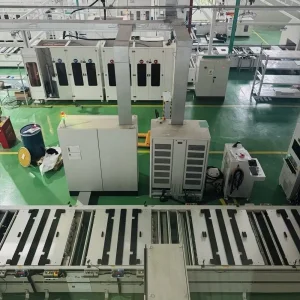
China currently controls over 70% of the global lithium-ion battery supply chain. This vertical integration provides unique advantages for our global partners:
Hangzhou EnerNova Charger Co., Ltd. is a leading innovator in the field of electric vehicle charging and smart energy solutions. Specializing in both AC and DC EV charging technologies, the company provides a comprehensive range of products and services designed to meet the diverse needs of residential, commercial, and fleet customers.
EnerNova’s portfolio includes home EV chargers, fast DC charging stations, intelligent charging power management systems, and advanced energy storage solutions. By integrating cutting-edge hardware with smart software, the company ensures optimized charging efficiency, real-time monitoring, and reliable energy management for all applications.

Committed to sustainability and the development of green transportation, Hangzhou EnerNova emphasizes seamless integration of renewable energy sources with its charging and storage systems. Its solutions support vehicle-to-grid (V2G) applications, load balancing, and intelligent energy optimization, helping customers reduce operational costs while enhancing grid stability.
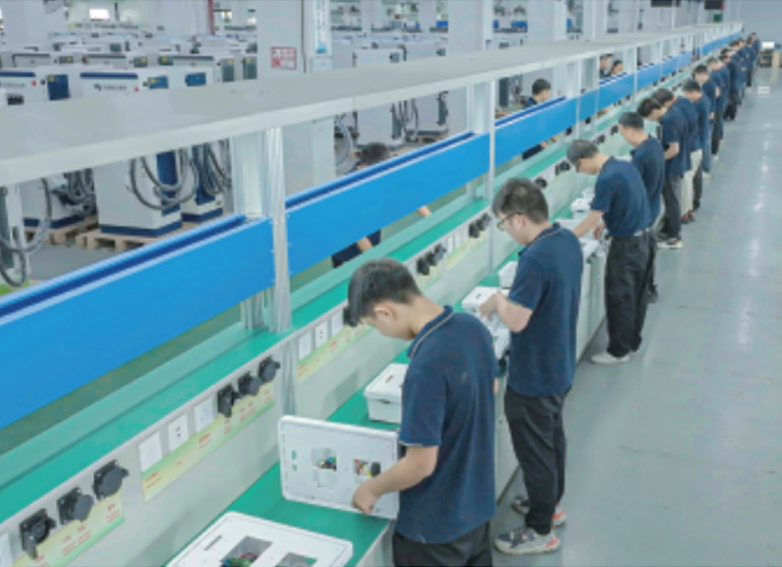
With rigorous quality standards, continuous R&D investment, and a customer-centric approach, EnerNova has established itself as a trusted partner in the EV and smart energy industry. The company’s innovative technologies empower users to adopt cleaner, smarter, and more efficient energy solutions, paving the way for the future of intelligent mobility.
 EnerNova Charger