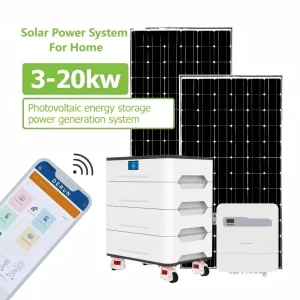
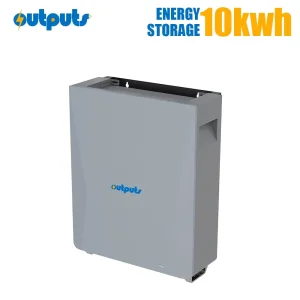
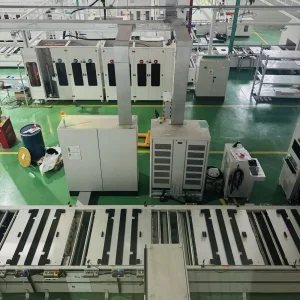
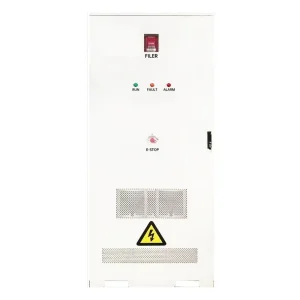
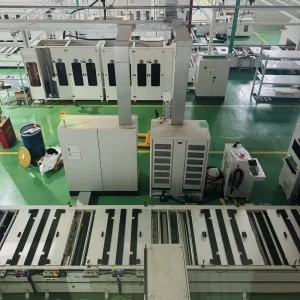
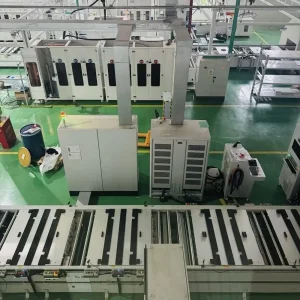
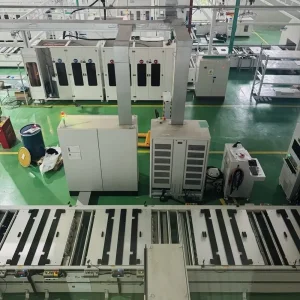
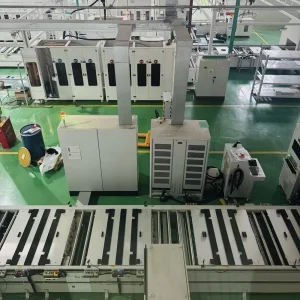
The global energy landscape is undergoing a radical transformation. As the world pivots toward renewable energy sources, the role of IoT-enabled Energy Storage Systems (ESS) has evolved from a luxury to a critical infrastructure requirement. Today, the industrial and commercial sectors are no longer just looking for batteries; they are seeking intelligent energy management ecosystems.
In 2024, the integration of the Internet of Things (IoT) into battery storage has enabled real-time data monitoring, predictive maintenance, and seamless grid interaction. From large-scale manufacturing plants in Germany to solar-powered remote villages in Southeast Asia, IoT energy storage is the backbone of "Smart Energy." The global market is projected to grow at a CAGR of over 20%, driven by the urgent need for grid stability and the decentralization of power generation.
Modern ESS use AI algorithms to predict peak demand and discharge energy when prices are highest, maximizing ROI for commercial users through "Peak Arbitrage."
Manufacturers are now offering SaaS platforms where owners can monitor their battery health, temperature, and cycle counts from anywhere in the world via mobile apps.
Vehicle-to-Grid technology is becoming standard, allowing electric vehicle batteries to act as mobile energy storage units that support the primary grid during shortages.
While LFP (Lithium Iron Phosphate) remains the standard for safety, the industry is moving toward higher energy density and safer solid-state electrolytes for industrial applications.
The "Lego" approach to energy storage allows factories to start with a 50kW system and expand to 1MW as their power needs grow, without replacing the core infrastructure.
With tightening ESG regulations, IoT enabled storage provides the necessary data logging to prove carbon footprint reduction to international regulators.
When global enterprises—ranging from hospital chains to automotive manufacturing plants—procure energy storage, their checklists have become increasingly sophisticated. Reliability and safety are the non-negotiables. However, the modern purchaser now prioritizes System Interoperability. Can this storage system talk to our existing solar inverters? Can it integrate with our building management software (BMS)?
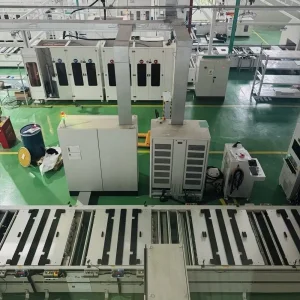
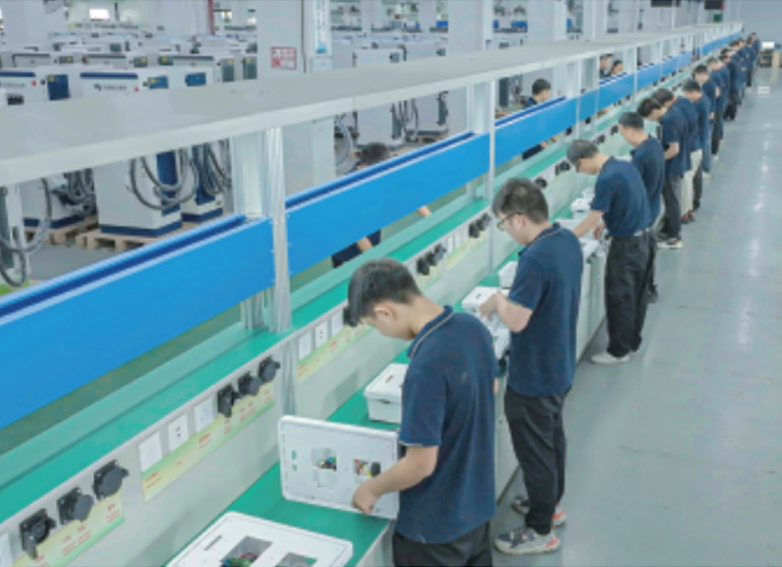
Hangzhou EnerNova Charger Co., Ltd. is a leading innovator in the field of electric vehicle charging and smart energy solutions. As a professional manufacturer, we offer several distinct advantages that place us in the "Top 10" category of global IoT storage suppliers:

EnerNova’s portfolio includes home EV chargers, fast DC charging stations, intelligent charging power management systems, and advanced energy storage solutions. By integrating cutting-edge hardware with smart software, we ensure optimized charging efficiency, real-time monitoring, and reliable energy management for all applications.
Committed to sustainability and the development of green transportation, Hangzhou EnerNova emphasizes seamless integration of renewable energy sources with its charging and storage systems. Our solutions support vehicle-to-grid (V2G) applications, load balancing, and intelligent energy optimization, helping customers reduce operational costs while enhancing grid stability.
Choosing the right manufacturer from the Top 10 IoT Enabled Energy Storage list is a decision that impacts your operational efficiency for the next 15 to 20 years. At Hangzhou EnerNova, we pride ourselves on being more than just a factory; we are a technology partner. With rigorous quality standards, continuous R&D investment, and a customer-centric approach, we empower users to adopt cleaner, smarter, and more efficient energy solutions, paving the way for the future of intelligent mobility and grid independence.
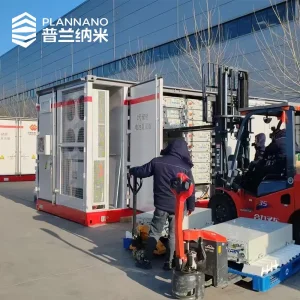
Whether you are looking for a residential balcony system or a multi-megawatt industrial container, our IoT-integrated solutions provide the transparency, safety, and efficiency required by the modern world.
 EnerNova Charger