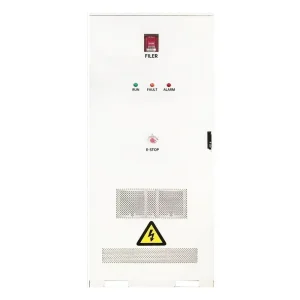
In the current era of global energy transition, Remote Area Power Systems (RAPS) have emerged as a critical infrastructure component for regions beyond the reach of traditional utility grids. As of 2024, the global market for off-grid and decentralized power systems is witnessing an unprecedented surge, driven by the dual goals of decarbonization and energy security. From the mining hubs in Western Australia to isolated island communities in Southeast Asia and the vast agricultural landscapes of Sub-Saharan Africa, RAPS are no longer just "backup" options—they are the primary heartbeat of local economies.
The industry is moving away from pure diesel generation toward hybrid systems that integrate Solar PV, Wind, and advanced Lithium Storage. This reduces fuel dependency by up to 80%.
Modern RAPS now utilize Artificial Intelligence for Energy Management Systems (EMS), predicting weather patterns and load requirements to optimize battery life and discharge cycles.
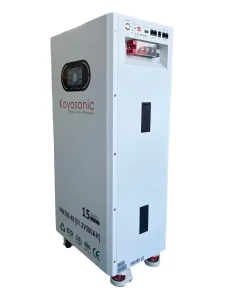
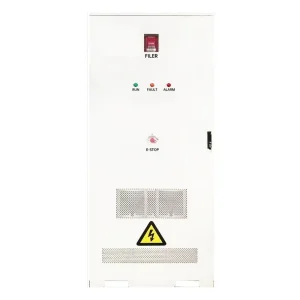
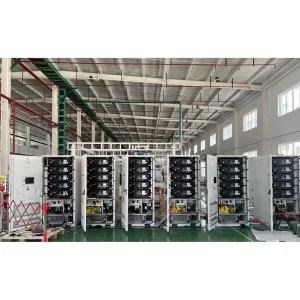
Exporters are increasingly focusing on containerized, "plug-and-play" modules that allow for rapid deployment in harsh environments without the need for extensive on-site civil works.
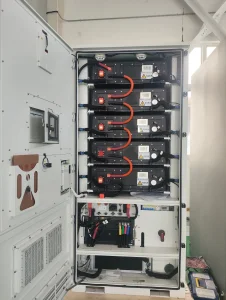
The commercial application of RAPS has transitioned from small-scale residential setups to massive Industrial Battery Energy Storage Systems (BESS). Industries such as telecommunications, mining, and healthcare are the primary drivers. For instance, remote 5G base stations require 24/7 uninterrupted power, which traditional grids often fail to provide in rural areas. Similarly, the "Green Mining" initiative has forced mining conglomerates to seek high-capacity energy storage solutions to power heavy machinery with renewable energy.
Energy Reliability
Countries Exported
MWH Capacity Deployed
Smart Monitoring
Global procurement officers are no longer just looking for "batteries"; they are searching for integrated energy partners. Procurement trends indicate a heavy shift toward LiFePO4 (Lithium Iron Phosphate) technology due to its safety profile and long cycle life, especially in high-temperature remote regions.
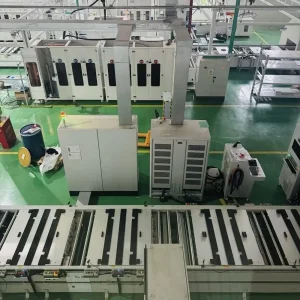
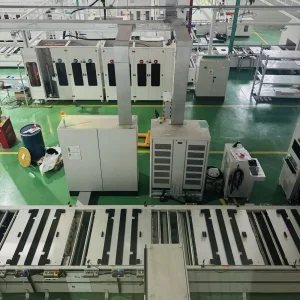
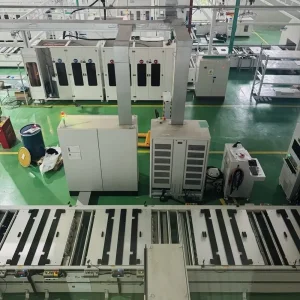
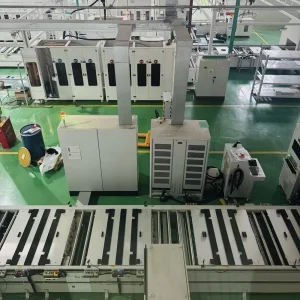
As a premier Chinese manufacturer located in the tech-hub of Hangzhou, Hangzhou EnerNova Charger Co., Ltd. represents the pinnacle of cost-efficiency and technical innovation. Our advantage lies in:
We sit at the heart of the world's largest lithium-ion supply chain, ensuring we get the highest grade cells at the most competitive prices.
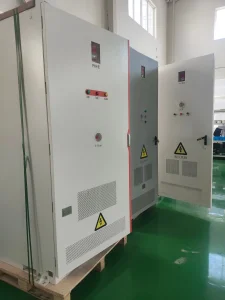
Unlike standard off-the-shelf products, we offer deep customization—from voltage ranges (51.2V to high-voltage industrial racks) to environmental hardening for desert or coastal use.
Our products undergo extreme stress tests, meeting international certifications including CE, UN38.3, and IEC, ensuring they survive the transit and the destination.
Hangzhou EnerNova Charger Co., Ltd. is a leading innovator in the field of electric vehicle charging and smart energy solutions. Specializing in both AC and DC EV charging technologies, the company provides a comprehensive range of products and services designed to meet the diverse needs of residential, commercial, and fleet customers.

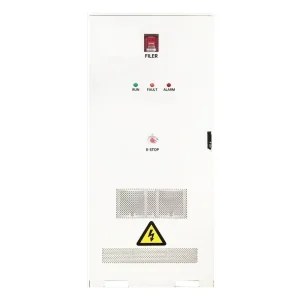
EnerNova’s portfolio includes home EV chargers, fast DC charging stations, intelligent charging power management systems, and advanced energy storage solutions. By integrating cutting-edge hardware with smart software, the company ensures optimized charging efficiency, real-time monitoring, and reliable energy management for all applications.
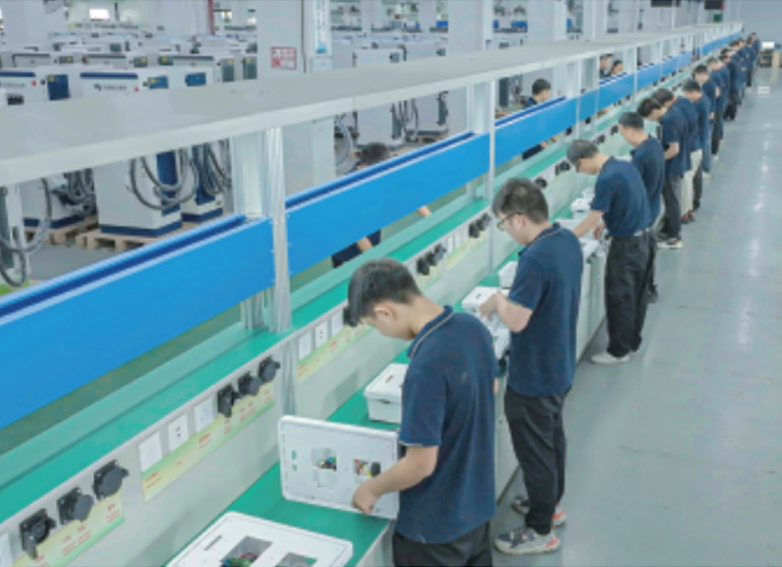
Committed to sustainability and the development of green transportation, Hangzhou EnerNova emphasizes seamless integration of renewable energy sources with its charging and storage systems. Its solutions support vehicle-to-grid (V2G) applications, load balancing, and intelligent energy optimization, helping customers reduce operational costs while enhancing grid stability.
With rigorous quality standards, continuous R&D investment, and a customer-centric approach, EnerNova has established itself as a trusted partner in the EV and smart energy industry. The company’s innovative technologies empower users to adopt cleaner, smarter, and more efficient energy solutions, paving the way for the future of intelligent mobility.
Looking forward, the Top 10 Remote Area Power Systems Exporters are focusing on Solid-State Battery integration and Hydrogen-Hybrid systems. These technologies promise even higher energy densities and safety. Furthermore, the rise of the "Energy as a Service" (EaaS) model is changing how remote communities procure power, shifting from high CAPEX to manageable OPEX models.
As a global exporter, we are committed to not just selling hardware, but providing a roadmap to energy independence. Our systems are designed to be "Future-Proof," allowing for easy firmware updates over-the-air (OTA) and modular capacity expansions as the local demand grows.
 EnerNova Charger