Industry-leading smart chargers for home and commercial use
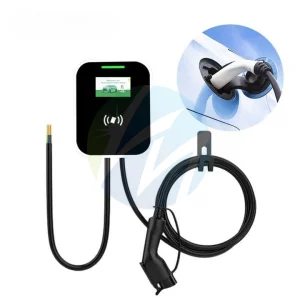
The global transition toward sustainable transportation has catapulted the demand for RFID EV Charging Points to unprecedented levels. In the current industrial landscape, Radio Frequency Identification (RFID) technology is no longer a luxury but a fundamental requirement for secure, user-friendly, and manageable charging infrastructure. From the bustling streets of Oslo to the emerging industrial hubs in Southeast Asia, RFID-enabled stations provide a seamless authentication method that ensures only authorized users can access the power supply.
Commercial sectors, including shopping malls, corporate office parks, and multi-unit residential buildings, are increasingly adopting RFID systems to integrate with their existing billing and security protocols. This trend is driven by the need for load balancing and revenue management, allowing facility managers to track energy consumption per user accurately. In the industrial sector, fleet operators utilize RFID tags to streamline the charging of electric trucks and delivery vans, ensuring that every kilowatt-hour is accounted for in their operational budgets.
The global EV charging market is projected to grow at a CAGR of over 25% through 2030, with RFID technology being a core component for public access.
ISO 14443 and ISO 15693 protocols ensure that user data and transaction information remain encrypted and secure.
RFID allows for "Plug and Charge" style workflows even in mixed-use environments, reducing administrative overhead.
How AI and IoT are reshaping the EV charging landscape
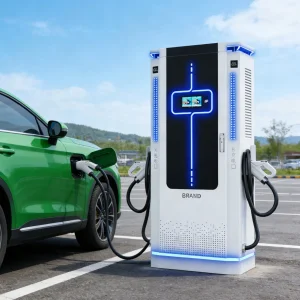
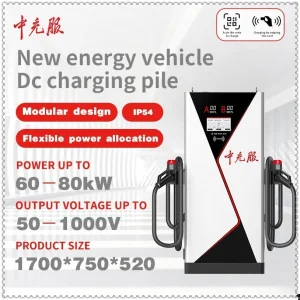
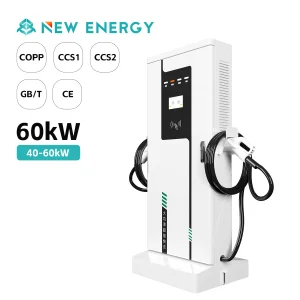
While AC chargers dominate home setups, the trend is shifting toward high-output DC fast chargers (80kw - 240kw) for commercial zones to minimize "range anxiety" and downtime for long-haul logistics.
The transition to the latest Open Charge Point Protocol (OCPP) allows for advanced features like smart charging, improved diagnostics, and enhanced security for larger charging networks.
Modern RFID stations now use AI algorithms to predict grid demand, allowing for dynamic load balancing that prevents power surges while ensuring vehicles are charged when electricity rates are lowest.
As the industry matures, we see a significant shift towards Vehicle-to-Grid (V2G) and Vehicle-to-Home (V2H) technologies. RFID cards are becoming the "key" to not just taking energy from the grid, but also selling it back during peak hours, turning electric vehicles into mobile energy storage units. This bidirectional flow is essential for a stable green energy ecosystem.

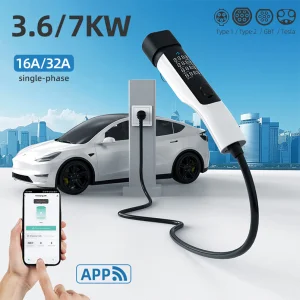
Global buyers require localized solutions that comply with regional electrical standards (Type 1 for Americas, Type 2 for Europe, GB/T for China). Our RFID EV charging points are designed with this modularity in mind.
Furthermore, global procurement demands emphasize durability. Our stations feature heavy-duty casings with IK10 impact resistance and IP55/IP65 waterproof ratings, making them suitable for the harsh winters of Northern Europe or the humid tropical climates of Southeast Asia.

As a premier China manufacturer, Hangzhou EnerNova Charger Co., Ltd. sits at the heart of the world’s most advanced EV supply chain. Our factory advantage translates directly into value for our global partners:
We don't just sell hardware; we provide a comprehensive Smart Energy Ecosystem. Our systems support real-time monitoring, intelligent energy optimization, and seamless integration with renewable sources like solar power.
When searching for the top 10 RFID EV charging points suppliers and exporters, professional buyers must look beyond the price tag. The total cost of ownership (TCO) is influenced by installation ease, maintenance requirements, and software compatibility.
A reliable supplier must provide chargers that have undergone extensive stress testing. This includes lightning protection, over-voltage protection, and short-circuit protection. For exporters, having certifications like CE for Europe or UL for North America is non-negotiable for legal distribution and insurance compliance.
OCPP (Open Charge Point Protocol) is the "language" that allows the charging station to talk to the management backend. A top-tier supplier ensures their RFID chargers are fully OCPP 1.6J or 2.0.1 compliant, giving you the freedom to choose any network service provider without being locked into a proprietary system.
In the competitive EVSE (Electric Vehicle Supply Equipment) market, branding is key. Chinese factories like EnerNova offer extensive OEM services, allowing you to customize the RFID card design, the charging station’s exterior color, and the user interface (UI) on the LCD screen.
Whether you are outfitting a single parking lot or a national highway network, your supplier must be able to scale. This involves not only manufacturing capacity but also the ability to provide centralized management software that can handle thousands of RFID tags and transactions simultaneously.
DC Fast Chargers and Advanced Modules for Industrial Applications
The selection of an RFID EV charging point supplier is a strategic decision that impacts the long-term success of your EV infrastructure projects. As the world moves toward 100% electric mobility, having a partner who understands the intricacies of global standards, smart grid integration, and user experience is vital.
Hangzhou EnerNova Charger Co., Ltd. stands ready to support your goals. With our advanced manufacturing facility, dedicated R&D team, and a track record of excellence in the EV and smart energy industry, we provide more than just chargers—we provide the foundation for future mobility. Explore our range of 7kw to 240kw RFID-enabled stations and discover how our technology can empower your business to lead the green revolution.
For inquiries regarding bulk orders, custom specifications, or international distribution partnerships, contact us today and join our network of successful global exporters and operators.
 EnerNova Charger