Innovative technology designed for global efficiency and reliability
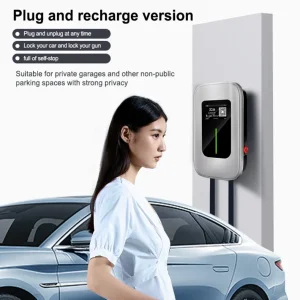 Smart Universal Portable EV Charger for Home New Energy Vehicle
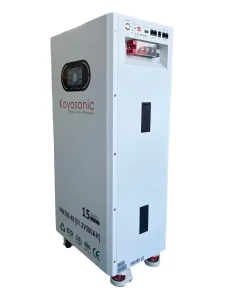 51.2V 300ah Wall Mounted LiFePO4 15kwh / 16kwh Lithium Battery for Residential Solar Home Energy Storage
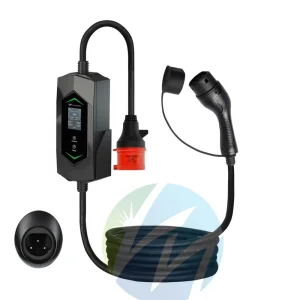 AC Portable Home Use EV Chargers 3.5kw/7kw/14kw Type 1 Type 2
AC Portable Home Use Electric Vehicle Chargers 16A 32A 40A
AC Portable Home Use EV Chargers 3.5kw/7kw/14kw Type 1 Type 2
AC Portable Home Use Electric Vehicle Chargers 16A 32A 40A
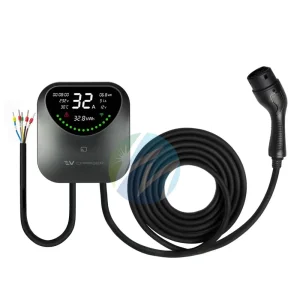 Wall Mounted Portable Home Car Chargers AC/DC Gbt Type2 CCS2 7kw-40kw
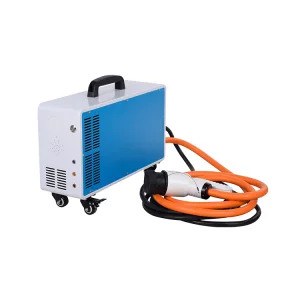 Mobile Small DC Fast EV Charger Multi-Standard for Fleet & Rescue
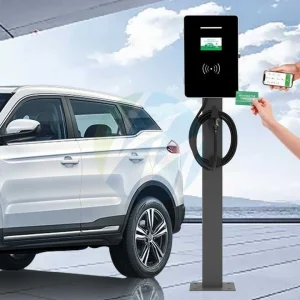 16A 32A 7kw-22kw Smart EV Charger Wall Mounted & DC Fast Station
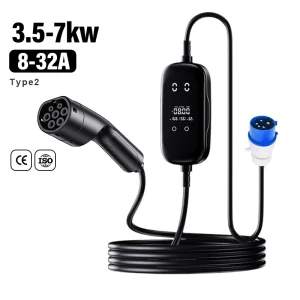 Portable EV Charger Compatible with Home & Commercial Use
The global transition toward sustainable energy ecosystems has propelled Vehicle-to-Home (V2H) technology from a conceptual phase to a commercial reality. In the current industrial landscape, Electric Vehicles (EVs) are no longer viewed merely as transportation assets but as mobile energy storage units. Across Europe, North America, and the Asia-Pacific, the integration of V2H systems is addressing critical challenges in grid stability and energy costs.
With the rising frequency of extreme weather events and grid instability, homeowners and commercial enterprises are increasingly seeking decentralized energy solutions. V2H systems allow EVs to supply power back to the home during peak hours or power outages, effectively turning a car into a high-capacity backup battery. This bidirectional charging capability is becoming a standard requirement in modern smart city infrastructures.
Annual Growth in Bidirectional Charger Demand
Potential Energy Storage from Global EV Fleet
Target Year for Major V2G/V2H Mass Adoption
Efficiency Rating of Chinese V2H Components
The V2H industry is evolving rapidly, driven by three major technological pillars: Bidirectional Power Electronics, AI-Driven Energy Management, and Standardization of Communication Protocols.
Modern chargers are moving from one-way AC delivery to sophisticated DC-coupled bidirectional systems that minimize energy loss during conversion.
V2H systems are now integrated with AI software that predicts energy usage patterns, ensuring the vehicle is charged when rates are low and discharges when rates are high.
The industry is shifting toward ISO 15118-20 standards, ensuring that a single V2H system can work seamlessly across different vehicle brands like Tesla, BYD, and VW.
Global B2B buyers—ranging from energy utility companies to real estate developers—are looking for more than just hardware. The primary demand in V2H procurement is for "Turnkey Solutions." Buyers require systems that include the bidirectional charger, a robust mobile app for user control, and back-end management software for load balancing.
Certification is another non-negotiable factor. For the European market, CE and TUV certifications are essential, while North American buyers prioritize UL listing. Furthermore, with the rise of Solar + Storage + EV Charging setups, procurement officers are searching for "All-in-One" hybrid inverters that can manage PV input alongside bidirectional EV charging.
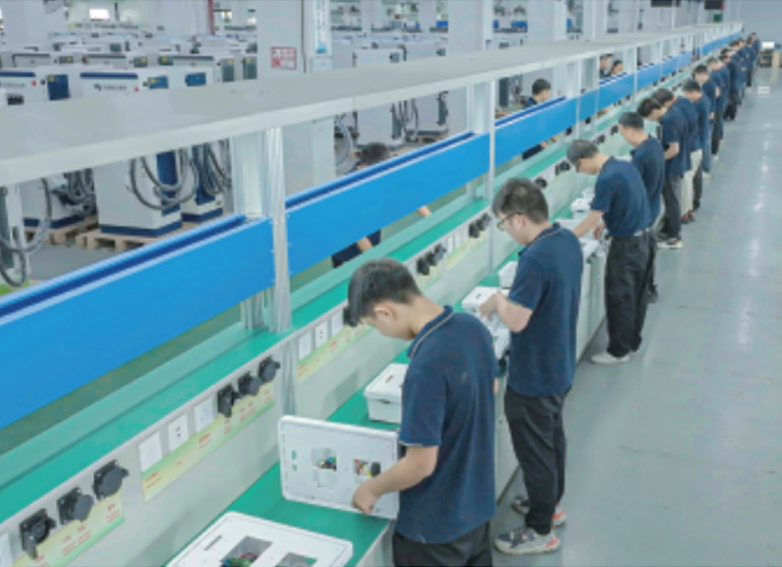
Customization (OEM/ODM) is also a significant driver. Many exporters require white-label products that can be integrated into their existing home automation ecosystems. Our factory specializes in these modular designs, allowing for rapid deployment of branded V2H solutions worldwide.
China controls over 70% of the world's lithium-ion battery supply chain, ensuring that V2H components are manufactured with the highest quality materials at the lowest cost.
Chinese manufacturers can move from prototype to mass production in half the time of Western competitors, allowing us to implement the latest V2H protocols (OCPP 2.0.1) faster.
Based in tech hubs like Hangzhou, we have direct access to global shipping lanes, ensuring that our V2H systems reach international markets with optimized freight costs.
In regions prone to power outages (e.g., South Africa, parts of the US and SE Asia), a V2H system uses the EV's 60kWh+ battery to power a typical home for 3-5 days.
In markets with "Time of Use" (TOU) tariffs like the UK or Australia, V2H discharges the car's battery during expensive evening peaks and recharges at night.
For homes with solar panels, V2H acts as the ultimate buffer, storing excess solar energy in the car during the day and releasing it at night, reaching nearly 100% energy independence.
Logistic companies use bidirectional chargers to balance the load of their entire warehouse, using their fleet as a giant virtual power plant (VPP).
Hangzhou EnerNova Charger Co., Ltd. is a leading innovator in the field of electric vehicle charging and smart energy solutions. Specializing in both AC and DC EV charging technologies, the company provides a comprehensive range of products and services designed to meet the diverse needs of residential, commercial, and fleet customers.
EnerNova’s portfolio includes home EV chargers, fast DC charging stations, intelligent charging power management systems, and advanced energy storage solutions. By integrating cutting-edge hardware with smart software, the company ensures optimized charging efficiency, real-time monitoring, and reliable energy management for all applications.
Committed to sustainability and the development of green transportation, Hangzhou EnerNova emphasizes seamless integration of renewable energy sources with its charging and storage systems. Its solutions support vehicle-to-grid (V2G) applications, load balancing, and intelligent energy optimization, helping customers reduce operational costs while enhancing grid stability.
 Portable EV Charger for Home and Commercial Electric Car Use
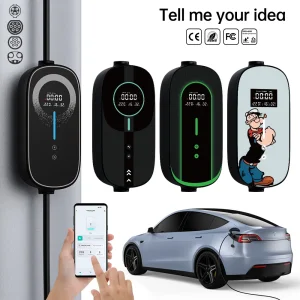 Portable EV Charger for BYD 7kw 22kw Mobile Charging Station
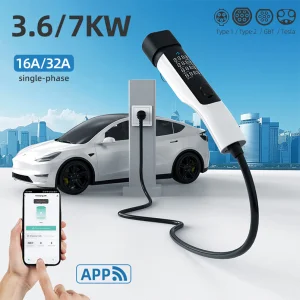 Portable EV Charger for BYD Tesla 7kw Station
7kw Mobile Charger for Commercial EV Charging Needs
Smart Mobile Charger for BYD & Tesla 7kw Solutions
Portable EV Charger for BYD Tesla 7kw Station
7kw Mobile Charger for Commercial EV Charging Needs
Smart Mobile Charger for BYD & Tesla 7kw Solutions
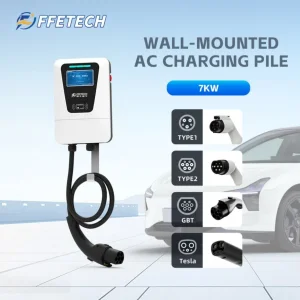 Smart Communication EV Charger for Fast Electric Vehicle Charging
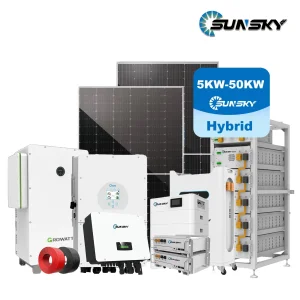 Sunsky All-in-One 10kw Hybrid Inverter & Home ESS
Sunsky Residential 10kw Hybrid Inverter PV Power System
Sunsky All-in-One 10kw Hybrid Inverter & Home ESS
Sunsky Residential 10kw Hybrid Inverter PV Power System
 EnerNova Charger