Explore our premier range of advanced EV charging infrastructure and integrated energy storage solutions engineered for global deployment.
Hangzhou EnerNova Charger Co., Ltd. stands globally recognized as a premier innovator and exporter in the dynamic realm of electric vehicle (EV) charging technology and intelligent energy management solutions. Driven by a deep commitment to sustainable engineering and cutting-edge R&D, the company bridges the gap between high-performance hardware and intelligent cloud software.

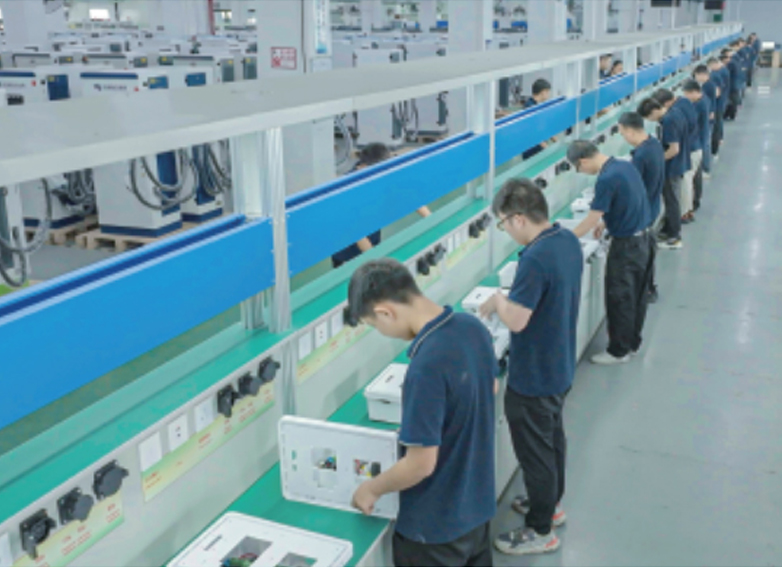
EnerNova’s comprehensive portfolio spans residential home AC chargers, ultra-fast DC charging stations, smart power distribution systems, and robust industrial energy storage solutions. By seamlessly fusing robust power electronics with intelligent IoT protocols, EnerNova guarantees maximum charging efficiency, real-time diagnostic monitoring, and exceptional grid resiliency across global deployment scenarios.
Emphasizing the transition toward zero-emission ecosystems, EnerNova's advanced architecture natively supports vehicle-to-grid (V2G) integration, automated load balancing, and renewable energy synergy. As a trusted Tier-1 exporter, the company empowers international utility providers, commercial fleet operators, and residential developers to achieve superior energy independence and operational optimization.
Analyzing the macroeconomic drivers, regulatory mandates, and infrastructural shifts shaping the international EV charging market.
Global commercial transport is undergoing a generational shift. Logistics operators, public transit authorities, and corporate fleets are rapidly replacing internal combustion engine (ICE) vehicles with battery electric vehicles (BEVs). This transition demands robust, high-capacity DC fast-charging networks capable of high-frequency operation with minimal downtime.
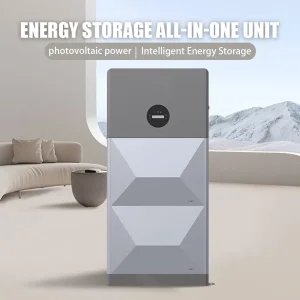
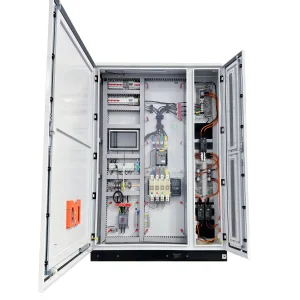
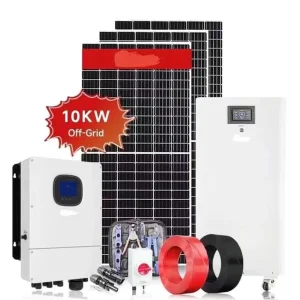
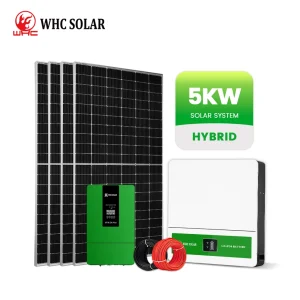
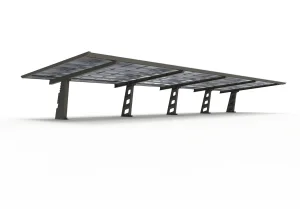
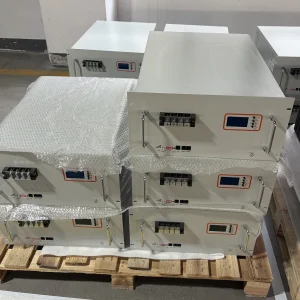
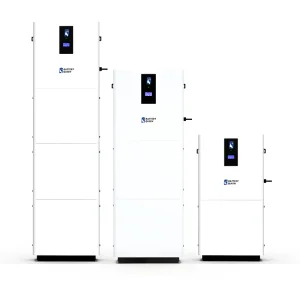
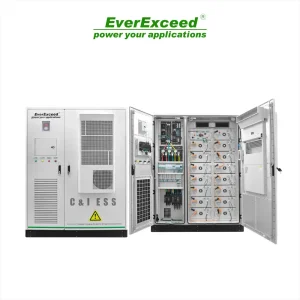
Massive EV adoption places unprecedented stress on traditional electrical grids. Modern industrial charging deployments now incorporate integrated energy storage systems (BESS) and smart solar carports. This localized energy buffering prevents peak-hour grid overload and stabilizes energy pricing for commercial operators.
International markets enforce stringent safety, interoperability, and cybersecurity frameworks. Exporters must comply with diverse regional certifications—such as CE, FCC, UL, OCPP 1.6/2.0J, and Type1/Type2/GB/T protocols—ensuring seamless plug-and-charge interoperability across North America, Europe, Asia, and emerging economies.
Quantifying our engineering excellence, manufacturing capacity, and global trust.
As the epicenter of global electric vehicle manufacturing and renewable energy innovation, China possesses an unmatched industrial ecosystem. Chinese exporters of vehicle charging technology leverage comprehensive supply chain integration, advanced automated SMT production lines, and rigorous internal quality control protocols.
This industrial maturity translates directly into superior cost-effectiveness without compromising on engineering rigor. From custom OEM/ODM casing designs to proprietary firmware development, tier-one manufacturers in China deliver rapid prototyping, flexible production scaling, and compliance with the most rigorous international electro-technical standards.
Tailoring vehicle charging technology to diverse environmental, architectural, and operational environments.
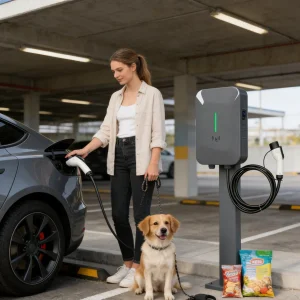
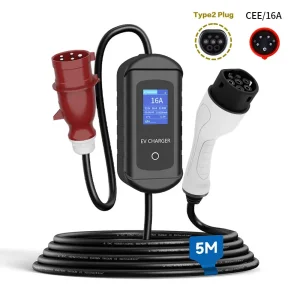
Smart AC wallbox chargers equipped with dynamic load management (DLM) and mobile app monitoring. Homeowners and apartment complexes can safely charge vehicles overnight while preventing household main breaker trips.
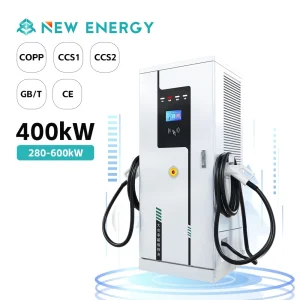
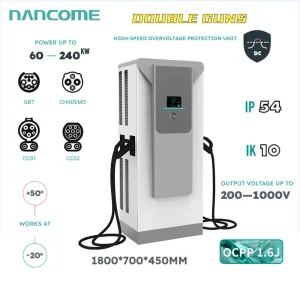
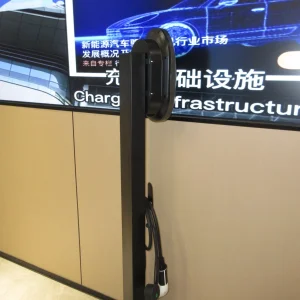
60kW to 180kW commercial DC charging stations paired with smart metering infrastructure. Ideal for office complexes, shopping malls, and exhibition halls, offering revenue generation through OCPP payment gateways.
High-power DC fast-charging networks and integrated solar carport energy storage systems designed for electric buses, delivery trucks, and municipal utility fleets operating under demanding 24/7 schedules.
The next decade of EV charging will be defined by hyper-intelligent energy ecosystems. Key technological vectors include:
Utilizing machine learning algorithms embedded in cloud management platforms to forecast hardware wear, optimize thermal regulation, and execute remote firmware diagnostics before faults occur.
Development of liquid-cooled megawatt charging systems for heavy-duty electric trucks and maritime vessels, reducing replenishment times to parity with fossil-fuel refueling.
International procurement managers, energy distributors, and EPC contractors evaluate potential suppliers through rigorous multi-faceted criteria:
1. Certified Interoperability: Seamless integration with global backend billing networks via OCPP 1.6J and OCPP 2.0.1 protocols.
2. Proven Track Record: Demonstrable deployment history across varying climatic extremes—from sub-zero alpine winters to hyper-arid desert conditions.
3. Comprehensive After-Sales Support: Remote troubleshooting capabilities, modular hardware architecture for rapid component replacement, and localized technical training.
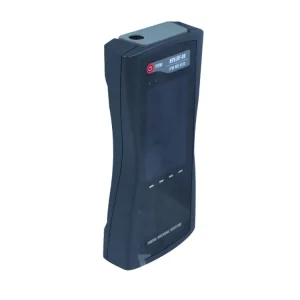
Discover additional industrial energy storage systems, portable chargers, and smart AC/DC charging stations.
Expert answers regarding vehicle charging technology export, compliance, and technical deployment.
Our chargers comply with global safety and telecommunication standards including CE, FCC, UL, and OCPP 1.6J/2.0.1 protocols. We support various connector standards such as Type 1 (SAE J1772), Type 2 (IEC 62196), and GB/T to accommodate regional vehicle requirements across international markets.
Yes. EnerNova’s systems are specifically designed for hybrid renewable integration. Our smart charging hardware and energy management software enable seamless synergy with solar PV arrays and battery energy storage systems (BESS), maximizing self-consumption and reducing grid reliance.
We offer comprehensive OEM and ODM solutions, including customized branding, casing design, customized firmware development, and localized UI/UX for mobile apps and charging management software dashboards.
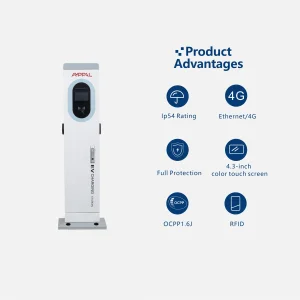
Our commercial charging stations feature built-in 4G, Wi-Fi, Ethernet, and Bluetooth modules connecting securely to cloud management systems via OCPP. Operators can monitor real-time charging status, manage user authorization via RFID/App, process billing, and run diagnostic analyses remotely.
 EnerNova Charger