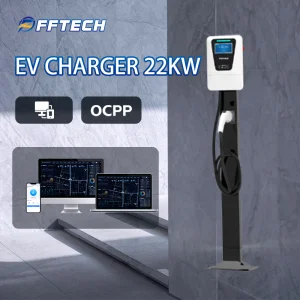
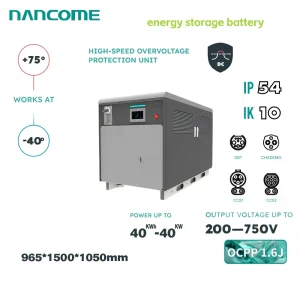
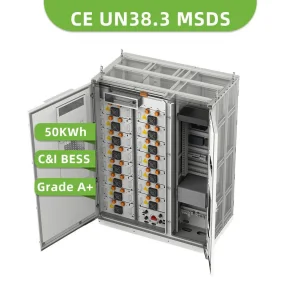
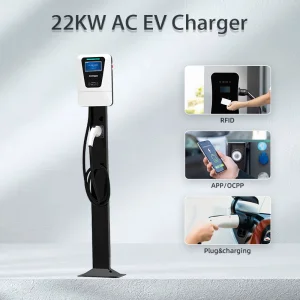
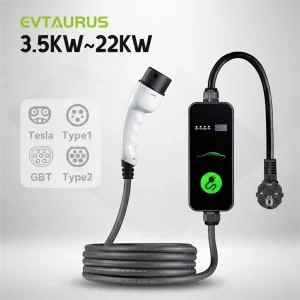
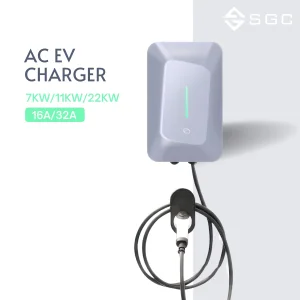
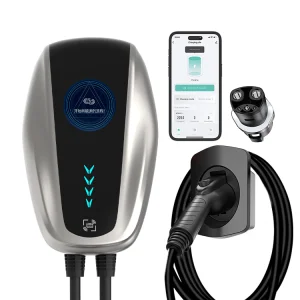
Hangzhou EnerNova Charger Co., Ltd. is a leading innovator in the field of electric vehicle charging and smart energy solutions. Specializing in both AC and DC EV charging technologies, the company provides a comprehensive range of products and services designed to meet the diverse needs of residential, commercial, and fleet customers.
EnerNova’s portfolio includes home EV chargers, fast DC charging stations, intelligent charging power management systems, and advanced energy storage solutions. By integrating cutting-edge hardware with smart software, the company ensures optimized charging efficiency, real-time monitoring, and reliable energy management for all applications.

As the global automotive industry shifts toward full autonomy, the "last link"—the physical act of plugging in—remains a significant bottleneck. Wireless EV Charging (WEVC), powered by Magnetic Resonance and Inductive Power Transfer (IPT), is no longer a futuristic concept but a commercial reality driven by top-tier Chinese manufacturers.
Wireless charging is the essential partner for AVP. When a vehicle can park itself, it must also be able to charge itself without human assistance, making wireless pads the only logical infrastructure choice for premium residential and commercial hubs.
Chinese factories are currently piloting "Electric Roads" where EVs can charge while driving at high speeds. This technology aims to reduce battery size requirements by 30%, significantly lowering vehicle costs.
Bi-directional wireless charging allows vehicles to act as mobile power banks, feeding energy back into the grid (V2G) or home (V2H) through seamless resonant coupling, optimizing peak-load management.
Chinese manufacturers have localized the entire supply chain for High-Q resonant coils and Silicon Carbide (SiC) power modules. This vertical integration allows for:
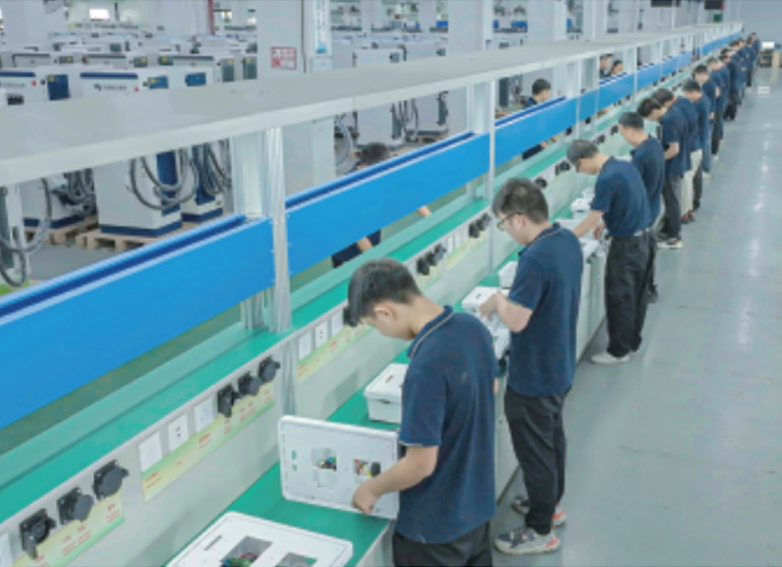
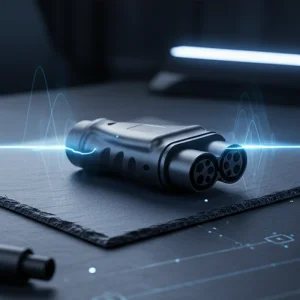
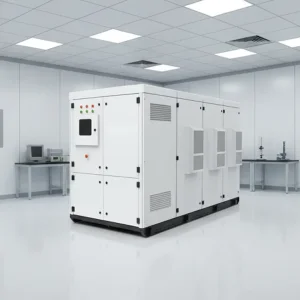
Figure 1: EnerNova's integrated wireless resonance testbed for commercial fleet applications.
For international buyers and infrastructure developers, sourcing from China offers a unique "Turnkey" advantage. We provide more than just hardware; we provide systemic integration.
Navigating international standards is the biggest challenge for global procurement. Leading Chinese factories now offer full compliance with:
Adherence to CISPR 11 and IEC 61980-1 ensures that wireless charging pads do not interfere with other electronic devices or medical equipment like pacemakers.
Support for 50Hz/60Hz grids with wide voltage inputs (200V-480V) for seamless installation in Europe, North America, and Southeast Asia.
OCPP 1.6J and 2.0.1 compatibility allows our wireless systems to integrate with existing global charging management platforms.
The roadmap for wireless EV technology in China focuses on two pillars: Scalability and Intelligence. By 2026, we expect the cost of wireless charging systems to reach parity with high-end DC wired chargers. This will trigger a massive rollout in semi-autonomous taxi fleets and luxury residential complexes.
Hangzhou EnerNova continues to invest over 15% of annual revenue into R&D, focusing on ultra-thin coil designs and multi-vehicle simultaneous charging stations. Our mission is to pave the way for intelligent mobility where charging is as invisible as the air we breathe.
 EnerNova Charger