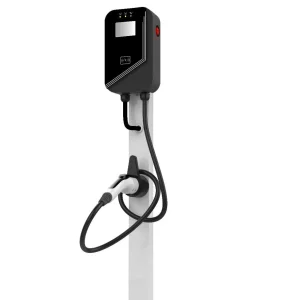
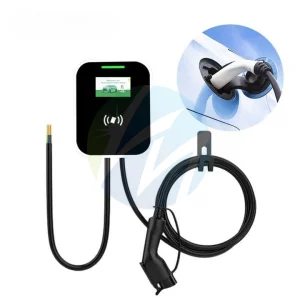
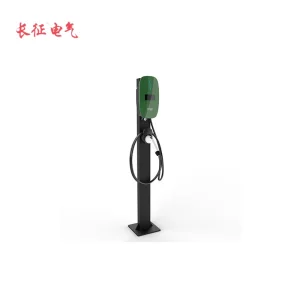
Mali's energy framework is undergoing an unprecedented paradigm shift. As urban centers like Bamako face rising liquid fuel prices and carbon targets, both municipal utilities and private enterprises are seeking decentralized solutions. With horizontal solar radiation levels averaging approximately 2,200 kWh/m²/year across Mali, integrating Photovoltaic (PV) solar generation with AC home EV charging stations offers a resilient pathway to sustainable transport.
However, exporting electrical appliances to West Africa poses engineering hurdles. The Malian national grid, operated by EDM-SA (Énergie du Mali), regularly experiences voltage sags, voltage spikes, and sudden frequency shifts. EV charging hardware must therefore go beyond standard functionality; units must feature advanced harmonic filtering, over/under-voltage trip systems, and robust structural protection to withstand dust storms and high ambient temperatures characteristic of the Sahelian climate.

Hangzhou EnerNova Charger Co., Ltd. is a leading innovator in the field of electric vehicle charging and smart energy solutions. Specializing in both AC and DC EV charging technologies, the company provides a comprehensive range of products and services designed to meet the diverse needs of residential, commercial, and fleet customers.
By coupling hardware with smart software, EnerNova ensures optimized charging efficiency, real-time monitoring, and reliable energy management. Our focus on engineering for harsh environments makes us a key supplier for the emerging West African EV landscape.
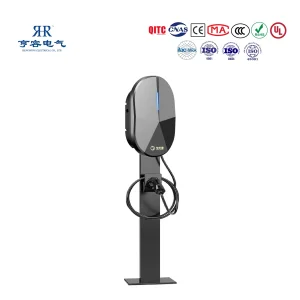
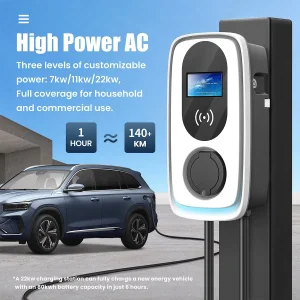
A key limitation in deploying AC charging stations in West Africa is the lack of grid capacity in residential zones. Standard residential grids are typically structured for single-phase 220V/230V loads with restricted current capabilities. Introducing a continuous 7.4kW load (32A single-phase) or 22kW load (32A three-phase) can overload home distribution boards. Our chargers address this through Dynamic Load Balancing (DLB). This smart system monitors the real-time energy usage of the building and adjusts the EV charger output dynamically, ensuring total power demand never exceeds safe local limits.
In suburban Bamako and cities like Kayes, premium homes are adopting hybrid off-grid solar systems. Our chargers feature standard RS485 and Modbus interfaces, allowing them to communicate directly with solar inverters (e.g., Growatt, Deye, Victron) to charge EVs using 100% surplus photovoltaic generation, bypassing EDM-SA grid dependence.
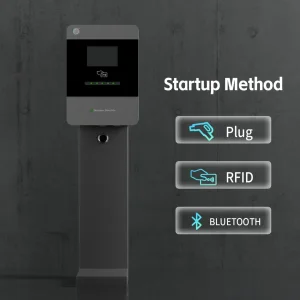
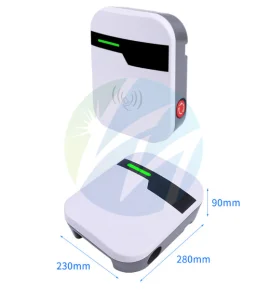
Mali's gold mining regions require heavy vehicle electrification to cut diesel logistics costs. Our 22kW dual-plug wallboxes allow mining operations to deploy secure charging corridors using RFID access control, ensuring only authorized corporate fleets draw energy.
Sourcing directly from our ISO9001, ISO14001, and OHSAS18001 certified facility in China provides significant scale and customization benefits. Our production facility features fully automated SMT (Surface Mount Technology) assembly lines, ensuring each controller board is free from defects and optimized for thermal dissipation.
We provide comprehensive ODM services, including customized enclosure branding, custom firmware localized in French (the official language of Mali), and tailored communication protocols (OCPP 1.6J / OCPP 2.0.1) for integration with local mobile money platforms like Orange Money and Moov Money.
Request OEM/ODM Catalog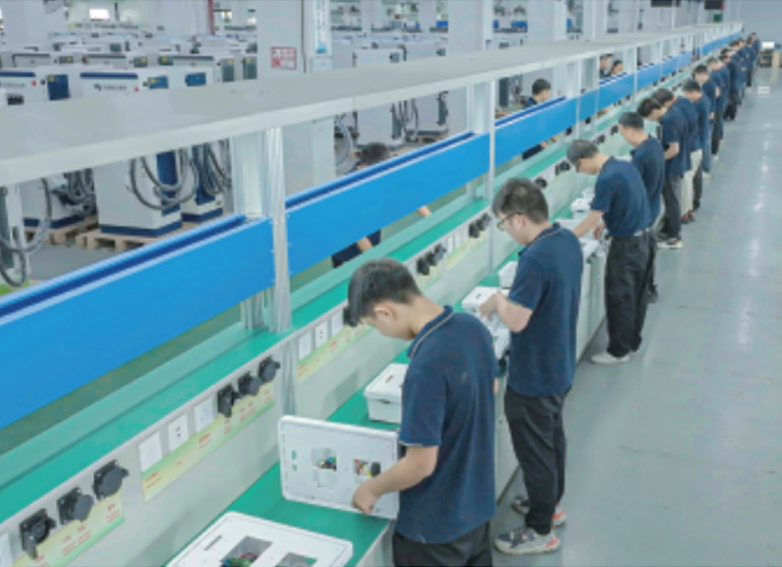
To operate reliably in West African climates, charging stations must meet specific physical and electrical requirements. Below are the design standards applied to our export lines:
Sealed against fine sand particles and seasonal heavy rain. Conformal coating applied to internal PCBs prevents moisture condensation and dust short-circuits.
Operates stably within 187V – 253V (for 230V systems). Automatically cuts out below or above this threshold to protect the EV battery management system (BMS).
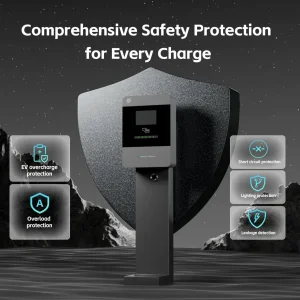
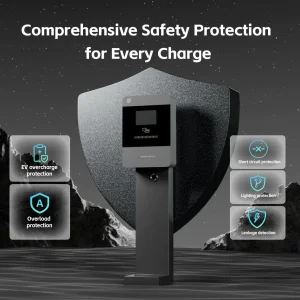
Integrates DC 6mA leakage protection, over-current, over-temperature, and under-frequency safeguards to maintain electrical safety without external type B RCDs.
Supported by 4G, Wi-Fi, Ethernet, and RFID interfaces. Built-in OCPP 1.6J/2.0.1 compliance allows remote firmware updates and integration with billing platforms.
The transition to clean mobility in West Africa is backed by international development aid and state energy security programs. Mali is focusing on infrastructure projects to reduce the import of expensive refined oil, which strains national reserves. Establishing a robust localized network of EV charging stations is crucial to realizing these energy transition strategies.
For global procurement departments, engineering consultancies, and commercial developers targeting projects in Bamako, Sikasso, or Mopti, supply chain visibility is critical. Our export logistics operations are fully structured to handle shipping routes to West Africa. We offer regular sea-freight routes via the port of Dakar (Senegal) or Abidjan (Ivory Coast), followed by road transport to Mali, ensuring efficient delivery times and customs compliance.
Furthermore, our engineering team assists local installers in Mali by providing detailed wiring diagrams, remote commissioning support via our cloud platform, and secondary circuit board components to ensure long-term operational resilience.
 EnerNova Charger