South Korea is currently at the forefront of the global energy transition, driven by the "Renewable Energy 2030" implementation plan. As a premier Grid-Tied Battery Storage Manufacturer & Exporter, we recognize that Korea's industrial landscape is shifting from traditional power generation to decentralized, smart-grid integrated systems. The demand for Energy Storage Systems (ESS) in Korea is fueled by the need for grid stability, especially as wind and solar power penetration increases in provinces like Jeju and Jeonnam.
Commercial facilities in Seoul and Incheon are increasingly adopting grid-tied solutions to reduce "peak demand" charges. By storing energy during off-peak hours and discharging during high-tariff periods, Korean enterprises are achieving up to 30% reduction in annual energy expenditure.
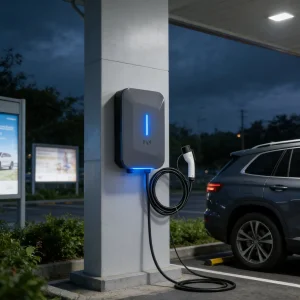
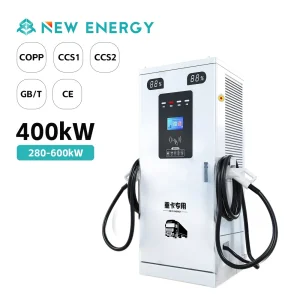
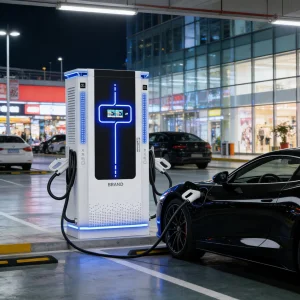
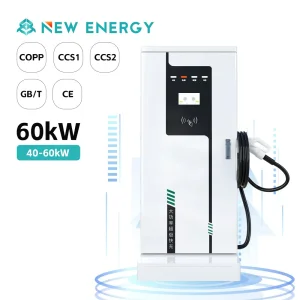
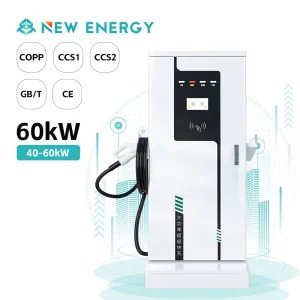
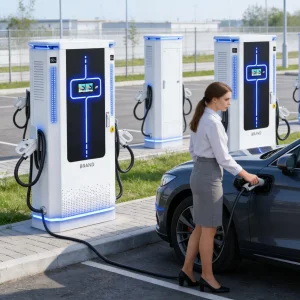
In the bustling streets of Seoul and the high-tech corridors of Pangyo Techno Valley, EV Charging Network Software is the backbone of urban mobility. Korea’s unique urban structure, characterized by high-density apartment complexes, requires sophisticated software that can handle complex load balancing and user authentication.
Software Uptime
Korean Project Cases
Grid Response Time
Technical Support
Hangzhou EnerNova Charger Co., Ltd. is a leading innovator in the field of electric vehicle charging and smart energy solutions. Specializing in both AC and DC EV charging technologies, the company provides a comprehensive range of products and services designed to meet the diverse needs of residential, commercial, and fleet customers.
EnerNova’s portfolio includes home EV chargers, fast DC charging stations, intelligent charging power management systems, and advanced energy storage solutions. By integrating cutting-edge hardware with smart software, the company ensures optimized charging efficiency, real-time monitoring, and reliable energy management for all applications.
Committed to sustainability and the development of green transportation, Hangzhou EnerNova emphasizes seamless integration of renewable energy sources with its charging and storage systems. Its solutions support vehicle-to-grid (V2G) applications, load balancing, and intelligent energy optimization, helping customers reduce operational costs while enhancing grid stability.
The Korean market is witnessing a convergence of AI and energy management. As a manufacturer and exporter, we are integrating AI-driven predictive maintenance into our grid-tied systems. This technology predicts potential battery failures before they occur, ensuring 100% reliability for critical infrastructure like hospitals and data centers in Busan and Seoul.
1. Smart Factories in Ulsan: Integrating grid-tied battery storage with heavy industrial loads to mitigate voltage sags and optimize electricity costs in automotive manufacturing plants.
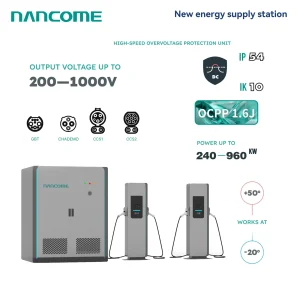
2. Public Transport Depots: Deploying high-power DC charging networks for electric buses in Daegu, managed by our centralized software to ensure buses are charged and ready for the morning rush hour without overloading the local substation.
3. Island Microgrids (Jeju Strategy): Using battery storage to buffer the intermittent nature of wind power on Jeju Island, creating a self-sustaining green energy ecosystem.
The South Korean industrial sector, dominated by semiconductor and automotive manufacturing, consumes a significant portion of the nation's electricity. The Ministry of Trade, Industry and Energy (MOTIE) has introduced several incentives for companies to install ESS to support grid resilience. As a **Grid-Tied Battery Storage Exporter**, we bridge the gap between high-end hardware and the local Korean demand for efficiency.
Our EV Charging Network Software is currently being optimized for the "Smart Grid 2.0" standards in Korea, incorporating blockchain for energy trading and advanced telemetry for grid-balancing. Whether it is a small-scale commercial installation in Daejeon or a multi-megawatt industrial project in Gwangyang, our systems provide the reliability and tech-edge required by the Korean market.
By choosing our solutions, Korean businesses are not just buying hardware; they are investing in a future-proof energy ecosystem that complies with all local K-ESS and safety regulations, ensuring long-term profitability and environmental stewardship.
 EnerNova Charger