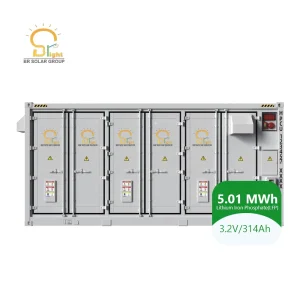
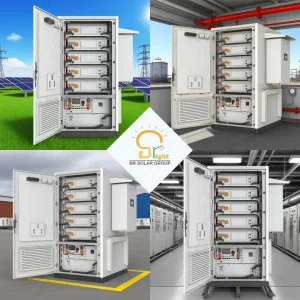
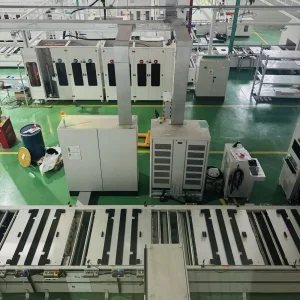
Our engineered grid-tied energy systems match the harsh environmental demands and frequency requirements of central Africa. Optimized for integration with solar and existing backup generators.
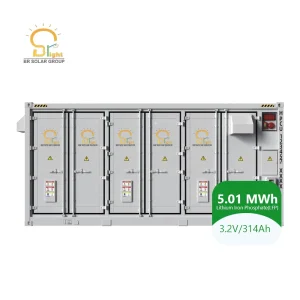
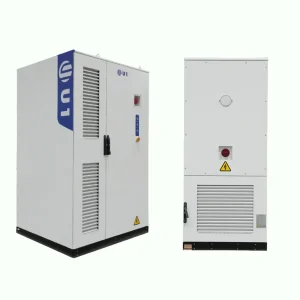
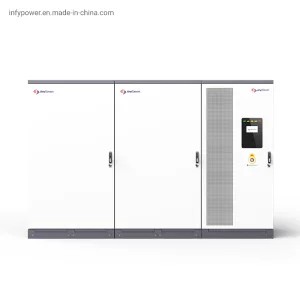
The Democratic Republic of Congo (DRC) is navigating a complex transition to modern energy. While possessing a staggering potential for hydroelectric power—primarily represented by the Inga Dams complex on the Congo River—the domestic energy infrastructure is deeply fragmented. The national utility company, Société Nationale d'Électricité (SNEL), faces systemic grid transmission bottlenecks and local capacity deficits. Commercial complexes, industrial hubs, and manufacturing facilities in major centers like Kinshasa, Lubumbashi, Kolwezi, and Goma contend with high grid instability, voltage fluctuations, and frequent unplanned outages.
To maintain operational continuity, heavy industry and commercial facilities traditionally rely on diesel-fueled generator sets. This solution presents significant drawbacks, including volatile fuel costs, logistical challenges in transporting fuel to remote areas, and high maintenance expenses. By installing grid-tied Battery Energy Storage Systems (BESS), local enterprises can mitigate these challenges. A grid-tied BESS acts as a reliable buffer, capturing power from the grid during stable periods or utilizing local solar generation to provide clean energy. This approach stabilizes facility grid connections, reduces reliance on diesel fuel, and optimizes energy costs.
Implementing utility-scale and commercial-scale grid-tied battery storage in the DRC requires specialized engineering. Industrial operations need robust hardware that can withstand voltage drops, frequency shifts, and harsh environments.
Sudden drops in grid voltage can damage sensitive industrial machinery and interrupt automated processes. Our high-rate Power Conversion Systems (PCS) respond within milliseconds to inject dynamic active and reactive power, stabilizing local bus voltage and frequency.
Operating diesel generators at low loading points causes carbon buildup and reduces engine efficiency. Our integrated Energy Management System (EMS) coordinates the BESS with diesel generators, running them at their peak efficiency curve while the battery absorbs load fluctuations.
Commercial and industrial tariffs in the DRC penalize peak demand spikes. By storing low-cost energy during off-peak times or generating solar power to discharge during peak hours, our BESS reduces monthly demand charges.
International mining consortia, telecommunications networks, NGOs, and public sector agencies procuring energy systems for the DRC require compliant technology and streamlined logistics. Our export processes align with these requirements to support smooth deployment.
All manufactured energy storage systems comply with strict international standards including CE, ISO 9001/14001, IEC 62619, and UN38.3 for lithium battery safety. This ensures compliance with local standards set by the DRC’s energy regulators, including the Autorité de Régulation du Secteur de l'Électricité (ARE).
We handle logistics for shipping industrial battery containers to diverse destinations in the DRC. Heavy equipment is typically shipped via the Port of Matadi for western destinations, or routed through the corridors of Dar es Salaam (Tanzania) and Durban (South Africa) to reach the southern mining hubs of Lubumbashi and Kolwezi. We arrange sea freight, overland transit, custom clearances, and pre-shipment inspections (such as OCC/BIVAC) to prevent delivery delays.
Battery chemistry and control systems continue to evolve. Our product roadmap focuses on adapting these advanced technologies for hot, high-humidity, and demanding environments.
Deployment of High-Density Lithium Iron Phosphate (LiFePO4) chemistries with liquid cooling systems. This configuration maintains cells at an optimal operating temperature (<35°C), extending battery cycle life in sub-Saharan climates.
Integration of smart Energy Management System (EMS) control platforms. The platform uses load forecasting algorithms to optimize dispatch between solar arrays, battery systems, the utility grid, and backup diesel generators.
With the growth of electric transport in urban centers like Kinshasa, our BESS platforms support vehicle-to-grid (V2G) interfaces and co-located DC Fast Charging networks. This supports grid stability while expanding urban charging infrastructure.
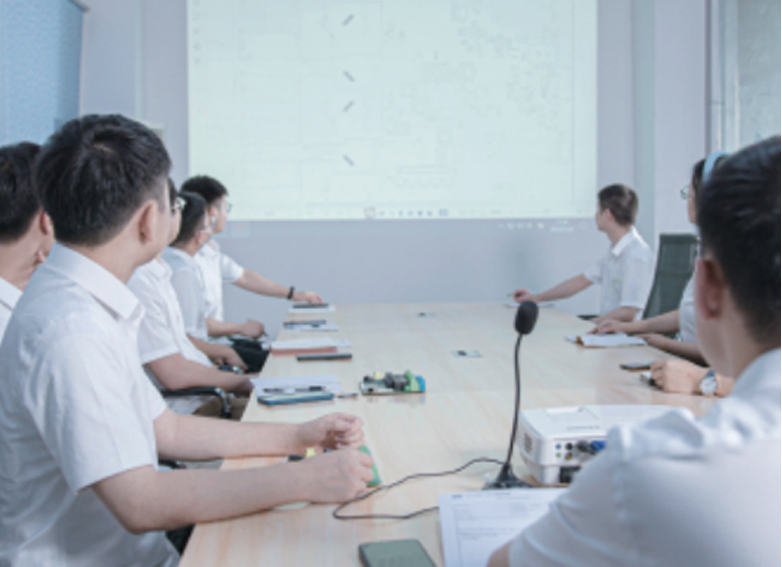
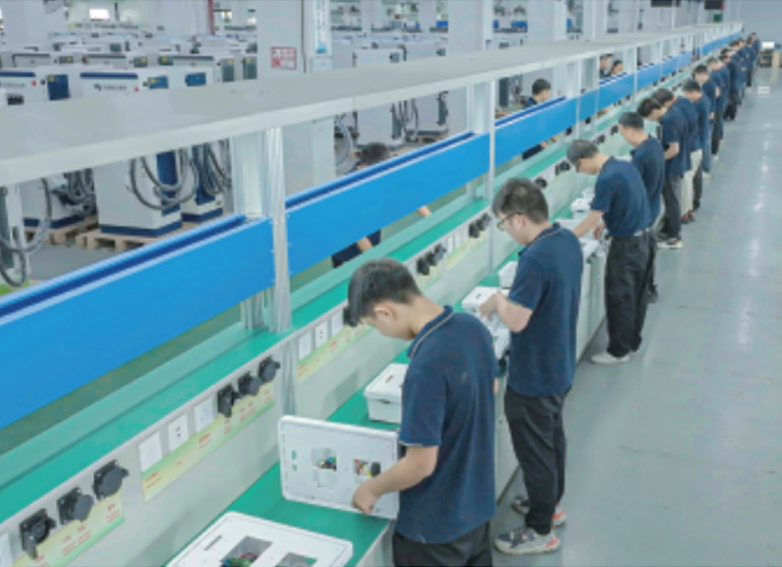
Hangzhou EnerNova Charger Co., Ltd. is a leading innovator in electric vehicle charging and smart energy solutions. Specializing in both AC and DC EV charging technologies, the company provides a comprehensive range of products and services designed to meet the diverse needs of residential, commercial, and fleet customers.
EnerNova’s portfolio includes home EV chargers, fast DC charging stations, intelligent charging power management systems, and advanced energy storage solutions. By integrating cutting-edge hardware with smart software, the company ensures optimized charging efficiency, real-time monitoring, and reliable energy management for all applications.
Committed to sustainability and the development of green transportation, Hangzhou EnerNova emphasizes seamless integration of renewable energy sources with its charging and storage systems. Its solutions support vehicle-to-grid (V2G) applications, load balancing, and intelligent energy optimization, helping customers reduce operational costs while enhancing grid stability.
With rigorous quality standards, continuous R&D investment, and a customer-centric approach, EnerNova has established itself as a trusted partner in the EV and smart energy industry. The company’s innovative technologies empower users to adopt cleaner, smarter, and more efficient energy solutions, paving the way for the future of intelligent mobility.
Explore our complete catalog of industrial, commercial, and residential energy storage systems. Certified to CE and ISO standards, these systems are suitable for grid support, commercial backup power, and rural microgrids in DR Congo.
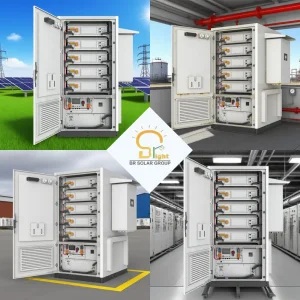
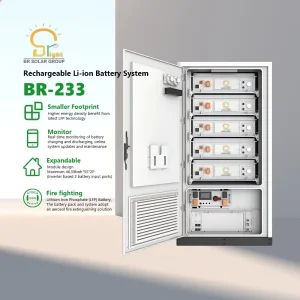
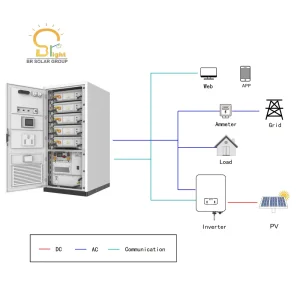
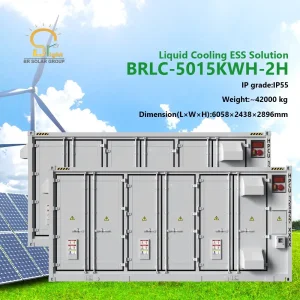
Operating large-scale battery systems in the DRC requires reliable local technical support. We address this need through targeted remote diagnostics and onsite maintenance partnerships.
Every EnerNova containerized battery is equipped with cloud-connected cellular and satellite gateway interfaces. Our monitoring center in China monitors cell health, SOC, and thermal metrics 24/7 to provide early warnings before issues occur.
We collaborate with local engineering, procurement, and construction (EPC) companies in Kinshasa and Lubumbashi. These partners receive training on our hardware and controls, enabling them to handle onsite testing, deployment, and emergency maintenance.
High ambient temperatures can accelerate capacity degradation in lithium cells. Our outdoor industrial battery containers feature dual HVAC or advanced liquid cooling systems. These systems maintain the core battery rack temperature below 30°C, helping preserve the battery's operating life even in high ambient temperatures.
Yes. Our Power Conversion System (PCS) and Energy Management System (EMS) are compatible with standard industrial generator controllers (e.g., DEIF, Woodward, ComAp). The system coordinates power output to run generators at optimal load curves, reducing fuel use and generator wear.
Our standard warranty is 5 years, with options to extend to 10 years based on operational profiles and maintenance agreements. Using premium LiFePO4 cells from major suppliers, the system is rated for 6,000 cycles at 80% Depth of Discharge, which supports over 15 years of daily cycling.
Safety is a key priority. Our systems feature multi-tier safety designs, including cell-level thermal sensors, aerosol or Novec 1230 gas fire suppression systems, and integrated combustible gas detectors (detecting CO and H2). These systems automatically isolate affected battery racks to prevent thermal runaway.
 EnerNova Charger