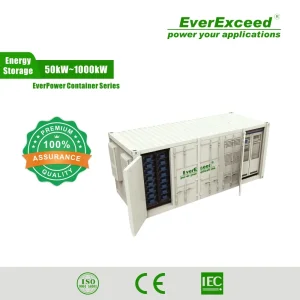
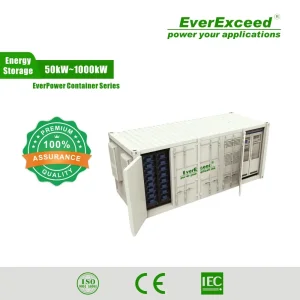
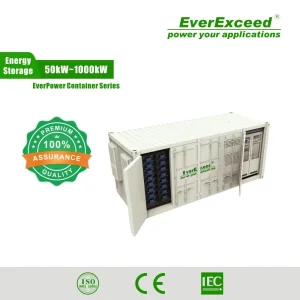
Hungary is currently undergoing a massive transformation in its energy landscape. As part of the European Union's broader "Green Deal," Hungary has established ambitious targets for its National Energy and Climate Plan (NECP). The country aims to achieve carbon neutrality by 2050, with a significant intermediate goal of increasing its solar PV capacity to over 12 GW by 2030. This rapid expansion of renewable energy has created an urgent demand for Solar-Integrated Storage Systems to manage grid stability and optimize energy utilization across commercial and industrial sectors.
In regions like Budapest, Debrecen, and Győr, industrial hubs are increasingly adopting Battery Energy Storage Systems (BESS) to mitigate the rising costs of peak energy prices. With the introduction of the "Napenergia Plusz Program" (Solar Energy Plus Program), the Hungarian government is actively subsidizing integrated solar and storage solutions for both businesses and residences, making it the perfect time for manufacturers and exporters to provide high-quality, reliable infrastructure.
Reducing demand charges for Hungarian factories during peak operational hours by utilizing stored solar energy.
Providing essential backup power for critical infrastructure in the Pannonian Basin, ensuring zero downtime.
Leveraging arbitrage by storing low-cost off-peak energy and discharging during high-tariff periods in the Hungarian market.
The Hungarian energy market is evolving toward a more decentralized model. We are seeing several key trends:

Hangzhou EnerNova Charger Co., Ltd. is a leading innovator in the field of electric vehicle charging and smart energy solutions. Specializing in both AC and DC EV charging technologies, the company provides a comprehensive range of products and services designed to meet the diverse needs of residential, commercial, and fleet customers globally, with a strategic focus on the Hungarian and Central European markets.
EnerNova’s portfolio includes home EV chargers, fast DC charging stations, intelligent charging power management systems, and advanced energy storage solutions. By integrating cutting-edge hardware with smart software, the company ensures optimized charging efficiency, real-time monitoring, and reliable energy management for all applications.
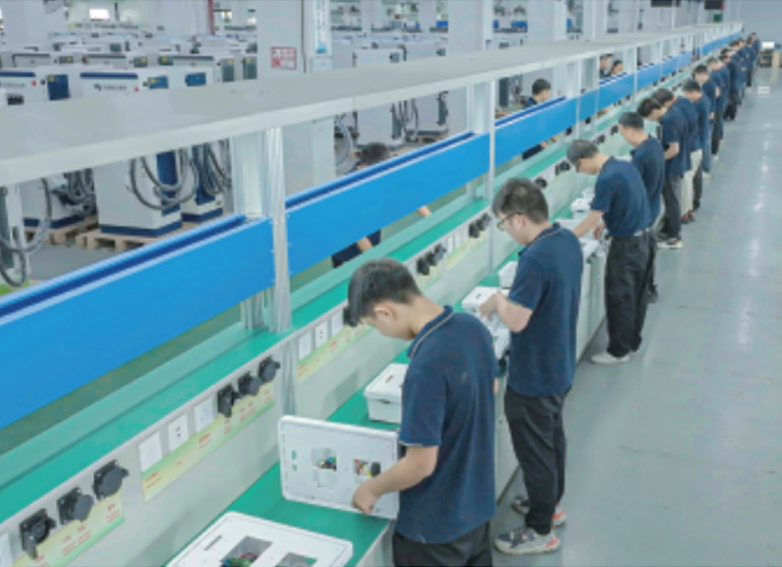
Committed to sustainability and the development of green transportation, Hangzhou EnerNova emphasizes seamless integration of renewable energy sources with its charging and storage systems. Its solutions support vehicle-to-grid (V2G) applications, load balancing, and intelligent energy optimization, helping customers reduce operational costs while enhancing grid stability. With rigorous quality standards, continuous R&D investment, and a customer-centric approach, EnerNova has established itself as a trusted partner in the EV and smart energy industry.
System Efficiency
Protection Rating
Cycle Life
Operating Range
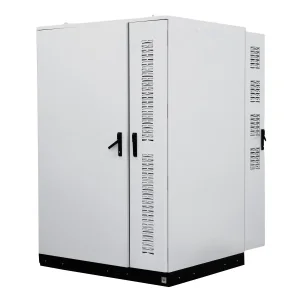
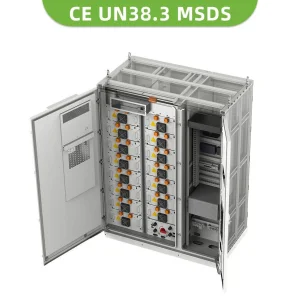
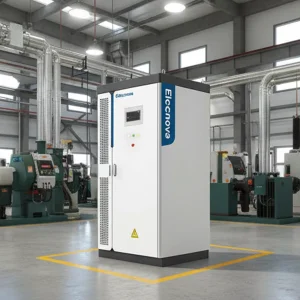
1. Automotive Manufacturing in Győr & Debrecen: As home to major brands like Audi and BMW, Hungary's automotive sector requires immense power stability. Our 1000kW containerized storage solutions provide voltage regulation and UPS-grade backup for sensitive robotic production lines.
2. Agricultural Processing in the Great Plain: Harvesting and processing seasons create massive spikes in energy demand. Solar-integrated storage allows farms to use solar power generated during the day for night-time processing, significantly lowering operational overhead.
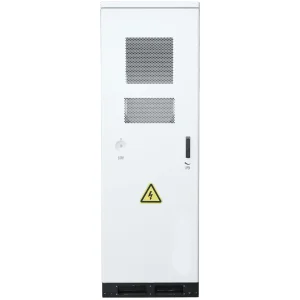
3. Logistics Hubs near Budapest Airport: E-commerce and logistics centers use our IP54-rated systems to manage the electricity load from large fleets of electric delivery vans, ensuring the local grid is not overwhelmed during high-demand charging periods.
Entering the Hungarian market requires more than just high-quality hardware. It requires compliance with MSZ (Hungarian Standards) and integration capabilities with MAVIR (the Hungarian Transmission System Operator). As a manufacturer with extensive export experience, we understand the nuances of the Central European power grid. Our systems are designed to be "plug-and-play" with regional solar inverters and offer remote monitoring interfaces that comply with European data security regulations.
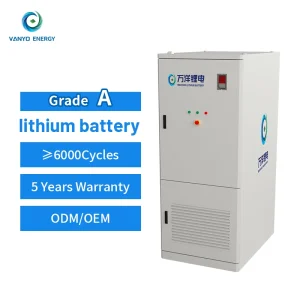
By choosing a manufacturer like EnerNova, Hungarian enterprises gain access to Tier-1 battery cell technology combined with local technical support and project consulting. Whether you are a solar installer in Szeged or a facility manager in Miskolc, our solar-integrated storage systems are built to provide the reliability and efficiency your business demands in the 21st century.
 EnerNova Charger